Look, I get it. You bought a sauna or joined a gym with one, and now you’re wondering: “How often should I actually use this thing?” I spent way too much time overthinking this question, trying every protocol I could find online. Here’s what I wish someone had told me from the start.
The research is pretty clear on this – a Finnish study following 2,315 men over 20 years found that those using the sauna 4-7 times per week had a 40% decrease in all-cause mortality and 48% reduction in sudden cardiovascular death compared to once-weekly use. But before you start planning daily sessions, let me save you from some mistakes I made along the way.
Table of Contents
- Understanding Your Body’s Internal Heat Clock
- The Recovery Window That Changes Everything
- Why Your Sauna Schedule Should Change With the Seasons
- The 3-Week Cycling Method I Wish I’d Known Earlier
- Reading Your Body’s Real-Time Feedback Signals
- How Meal Timing Completely Changes Your Sauna Strategy
- The 5-2 Protocol for Maximum Cellular Benefits
- Morning vs. Evening Sessions: What Science Really Says
- Building Stress Resilience Without Burning Out
- Making It Social (And Why That Matters More Than You Think)
- Safety Boundaries You Can’t Afford to Ignore
- Age and Health Considerations That Actually Matter
TL;DR
- Your body needs 48-72 hours to bounce back between intense sessions – daily isn’t always better
- Winter calls for 4-5 sessions weekly, summer means scaling back to 2-3 times per week
- The 3-week cycling method prevents your body from getting too comfortable with the routine
- Morning fasted sessions (3-4x weekly) are great for energy and fat burning
- Evening sessions should finish 3+ hours before bedtime so you can actually sleep
- How you feel and sleep quality tell you more than any fancy tracker
- The 5-2 approach (5 days on, 2 days off) works great for building energy at the cellular level
- Social sauna sessions need different timing than solo practice
- Heart problems and age significantly change what’s safe for frequency
Understanding Your Body’s Internal Heat Clock
Your body runs on predictable rhythms that determine when sauna sessions will help you most. Think of it like this – your body has an internal thermostat that’s constantly adjusting throughout the day. When you understand these natural cycles, you can time your sauna sessions to work with your body instead of against it.
Most people just hop in the sauna whenever they have time and wonder why sometimes they feel amazing afterward and other times they feel drained. The difference isn’t random – it’s all about timing and frequency that matches your body’s natural patterns.
I used to be that guy who thought “more is better” with everything. Daily sauna sessions? Sure! Longer sessions? Why not! Then I hit a wall. I was exhausted, sleeping poorly, and honestly just dreading my sauna time. Turns out, your body actually needs breaks to get stronger. Understanding the fundamental principles of sauna routine science helped me figure out what my body was trying to tell me.
The Recovery Window That Changes Everything
Think of it like going to the gym. You wouldn’t do intense leg workouts every single day because your muscles need time to recover and get stronger. Your body’s heat response works the same way. After a good sauna session, your cells are basically saying “okay, we need 1-2 days to rebuild and come back stronger.”
The 48-72 Hour Reset Period
Here’s what’s actually happening: After an intense sauna session, your body’s natural repair crew (called heat shock proteins) gets depleted. During the next 48-72 hours, your body is working overtime to restock these protective proteins. This is when the real benefits happen – your cells are rebuilding stronger defenses against stress.
I learned this the hard way when I was doing daily sessions and wondering why I felt worse instead of better. My body was never getting the chance to actually adapt and improve.
Heat stress has been shown to dramatically increase these protective proteins by up to 49%, which sticks around for a while, giving you long-term benefits. But you have to give your body time to make these improvements.
Here’s what actually works: Pay attention to how you feel at 24, 48, and 72 hours after a sauna session. You’ll start noticing patterns. Maybe you feel energized the day after but sluggish on day two. That’s your body telling you when it’s ready for the next round.
Your sleep becomes a great indicator too. If you’re sleeping poorly 48 hours after a session, you probably pushed too hard or didn’t allow enough recovery time. The cleanup process that happens during recovery is similar to what occurs during sauna detox at the cellular level, where your body processes waste while rebuilding stronger defenses.
| Recovery Timeline | What’s Happening | When to Go Again |
|---|---|---|
| 0-24 hours | Repair proteins peak, inflammation drops | Take a rest day |
| 24-48 hours | Body starts restocking, energy might dip | See how you feel |
| 48-72 hours | Repair systems normalize, adaptation happens | Usually good to go |
| 72+ hours | Full recovery achieved | Perfect timing window |
Seasonal Adjustments That Actually Make Sense
Your body’s heat tolerance isn’t the same year-round. During winter when it’s cold outside, your body isn’t dealing with much natural heat stress, so you can handle more frequent sauna sessions. Summer flips this completely – your system is already working overtime to stay cool.
Winter changes everything about how often you should sauna. When it’s freezing outside, your body isn’t getting natural heat stress, so you can safely bump up to 4-5 sessions weekly. Your repair systems aren’t being taxed by environmental heat.
I learned this the hard way during a particularly hot July when I kept my winter sauna schedule. My recovery suffered, sleep got worse, and I felt constantly drained. Scaling back to 2-3 sessions weekly made all the difference.
The timing matters too. During winter, I do my sessions in late afternoon when my body temperature naturally starts dropping anyway. Summer sessions work better early morning before the day heats up, which aligns with year-round sauna wellness practice that adapts to seasonal changes.
Sarah’s Real-World Example: Sarah, a 34-year-old marketing executive, discovered her sweet spot by tracking how she felt across seasons. In January-March, she thrived on 5 sessions weekly (Monday, Tuesday, Thursday, Friday, Sunday). Come July, she switched to just Tuesday, Thursday, Saturday and felt significantly better. Her sleep tracker showed the difference was real – better sleep scores when she honored these seasonal changes.
The 3-Week Cycling Method I Wish I’d Known Earlier
Your body is smart. It adapts to whatever you throw at it consistently. That’s great for survival, but not so great for getting ongoing benefits from your sauna. Doing the same routine forever will eventually stop working as well. The cycling method prevents this by mixing things up strategically.
Breaking Through Adaptation Plateaus
I discovered this cycling approach after months of feeling like my sauna sessions weren’t doing much anymore. My initial energy boosts and recovery benefits had plateaued, and I was basically just going through the motions. The cycling protocol brought back all those benefits I’d been missing.
The pattern is pretty straightforward: Three weeks of daily 15-20 minute sessions, followed by three weeks of just twice-weekly sessions (but longer – 25-30 minutes). Then three weeks back to daily sessions with different temperatures.
What surprised me was how much I looked forward to the “rest” weeks. Those longer, less frequent sessions felt more relaxing and restorative. The daily weeks felt more energizing and got my metabolism going.
Reading Your Body’s Real-Time Feedback Signals
Forget fancy gadgets for a minute. Your body tells you everything you need to know if you just pay attention. How you feel when you wake up, your energy levels throughout the day, and how well you sleep are way more important than any tracker.
I do use a simple heart rate monitor to track trends over weeks (not daily obsessing). When my heart rate variability consistently drops below my normal range, it’s time to reduce frequency. Same with resting heart rate – if it’s elevated for more than two mornings in a row, my nervous system is telling me to back off.
The simplest measure is just rating your energy each morning on a 1-10 scale. It might seem unscientific, but it’s incredibly predictive. When my average drops below 7 for three days running, something needs to change – usually frequency reduction or a complete rest week.
Here’s what you’ll probably notice when you get your frequency right: You’ll sleep better, have more energy during the day, and that afternoon energy crash might just disappear. You’ll also start looking forward to your sauna time instead of seeing it as another thing on your to-do list.
How Meal Timing Completely Changes Your Sauna Strategy
The timing of your meals completely changes what your sauna session accomplishes and how often you should do them. Empty stomach sessions are great for energy and fat burning, while post-meal sessions can help with blood sugar but need different frequency patterns. Understanding how long should you stay in a sauna becomes crucial when working around meals.
Your body is doing completely different things depending on whether you’ve eaten recently or not. This isn’t just theory – it changes everything about how often you should sauna and what benefits you get.
Morning Fasted Sessions for Metabolic Reset
Empty stomach morning sessions create this incredible energy boost that lasts most of the day. There’s something about the combination of overnight fasting and heat that just gets your metabolism firing on all cylinders.
The Fat-Burning Sweet Spot
Morning fasted sessions work best at 3-4 times weekly, every other day. These need to be shorter – 20 minutes max – and you should eat protein within an hour afterward to support recovery and keep the metabolic benefits going.
But here’s what I learned through trial and error – you can’t do this daily without consequences. Every other day is the sweet spot. Daily fasted sessions left me feeling wired but tired, with stress hormones that took weeks to get back to normal.
The timing window is key: 30 minutes after waking, before any food. I keep sessions to exactly 20 minutes – any longer and I start feeling shaky or lightheaded. The post-sauna meal becomes critical too. Protein within an hour seems to lock in the benefits. Understanding how long should you stay in a sauna during fasted sessions is critical for safety and results.
I track my blood sugar trends over 2-4 week periods to see if it’s working. The improvements in how my body handles blood sugar are real and last when I stick to the every-other-day pattern.
Post-Meal Sessions for Blood Sugar Management
Sauna sessions 60-90 minutes after meals can really help with blood sugar spikes, but this approach needs reduced frequency – 2-3 times weekly max – and moderate temperatures so you don’t feel sick.
Post-meal sessions are completely different. The blood sugar benefits are real – I’ve seen 20-30 point reductions in post-meal spikes when timed right. But the frequency has to be much lower.
Maximum 2-3 times weekly for post-meal sessions. Any more and digestive issues start. The heat pulls blood away from digestion, which becomes a problem with higher frequency.
Temperature matters more here too. I keep it moderate – 160-170°F instead of my usual 180-190°F. The goal is blood sugar management, not maximum heat stress. Sessions stay shorter too, 15-20 minutes max.
I focus these sessions on high-carb meal days when blood sugar management helps most. Using a glucose monitor showed me patterns I never would have noticed otherwise.
The 5-2 Protocol for Maximum Cellular Benefits
Five days of moderate sauna sessions followed by two complete rest days maximizes how your body builds energy at the cellular level. This pattern gives consistent stimulus for five days to trigger adaptation, then allows two full days for those improvements to actually happen.
Building Energy at the Cellular Level Through Smart Rest
The 5-2 protocol completely changed my understanding of rest in sauna practice. Those two rest days aren’t just recovery – they’re when your cells actually multiply and improve efficiency. Skipping them kills the benefits.
Days 1-5 require consistency: 18-22 minute sessions at the same temperature. I resist the urge to increase intensity or duration during this phase. The goal is steady, moderate stimulus, not maximum stress.
Days 6-7 mean complete sauna abstinence. No “light” sessions, no “just 10 minutes.” Your cells are working overtime during this period, and any additional heat stress messes with the process.
I monitor my energy levels and workout capacity during rest days to see if the protocol is working. If I’m still tired on day 7, I adjust temperature or duration down for the next cycle.
| Protocol Day | Session Duration | Temperature | What’s Happening |
|---|---|---|---|
| Day 1-2 | 18-20 minutes | Moderate (170-180°F) | Getting started |
| Day 3-4 | 20-22 minutes | Moderate (170-180°F) | Building adaptation |
| Day 5 | 18-20 minutes | Moderate (170-180°F) | Final stimulus |
| Day 6-7 | Complete rest | N/A | Cellular improvements |
Morning vs. Evening Sessions: What Science Really Says
When you sauna matters just as much as how often. Morning sessions prime your brain for focus and learning, while evening sessions help with sleep and memory consolidation. Each approach needs different frequency patterns to work best. Understanding how long should you stay in a sauna at different times becomes crucial for maximizing these timing-specific benefits.
Session timing isn’t just about convenience – it fundamentally changes what your sauna practice does for you. I’ve tracked sleep data, mental performance, and recovery across different timing strategies, and the differences are significant enough to completely change your approach.
Evening Sessions for Memory Consolidation
Sauna sessions 3-4 hours before bedtime, done 3 times weekly, can dramatically improve sleep quality and help your brain consolidate memories from the day. The key is allowing enough time for your body temperature to return to normal before you try to sleep.
The Sleep Quality Connection
Evening sessions transformed my sleep quality, but the timing window is non-negotiable. Sessions must finish at least 3 hours before you want to sleep. I learned this through weeks of terrible sleep when I was finishing at 9 PM and trying to sleep by 10:30 PM.
The 6-8 PM window works perfectly for most schedules. Your body temperature peaks around 6-7 PM naturally, so sessions align with this rhythm rather than fighting it. The cooling afterward – I use a cold shower or step outside for 2-3 minutes – makes the sleep benefits even better.
Three sessions weekly maximum for evening timing. More frequent evening sessions started messing with my natural temperature rhythms and actually made sleep worse. The rest days between sessions seem crucial for maintaining the benefits.
I track sleep metrics through my wearable device, focusing on deep sleep percentage and how efficiently I sleep. The improvements are measurable and consistent when I stick to the 3x weekly evening pattern.
Morning Sessions for Cognitive Priming
Early morning sauna sessions 4-5 times weekly can enhance focus and learning for 6-8 hours afterward. These work best with shorter durations but higher frequency, creating sustained mental benefits throughout the workday.
The Focus Enhancement Window
Morning sessions for cognitive enhancement require a completely different approach than evening sessions. Higher frequency works here – 4-5 times weekly – because the shorter durations (12-15 minutes) create less overall stress on your system.
The timing window is within 2 hours of waking. I’ve found that sessions later than 9 AM don’t provide the same brain-boosting effects. There’s something about the interaction with your natural morning stress hormones that creates the focus enhancement.
Following sessions with 10-15 minutes of meditation or breathing exercises seems to amplify and extend the cognitive benefits. I schedule important mental tasks within 4 hours of morning sessions when the effects are strongest.
The cognitive improvements are noticeable but subtle – better sustained attention, less mental fatigue, improved working memory. These benefits build up over weeks of consistent practice.

Building Stress Resilience Without Burning Out
Strategic sauna frequency can build genuine stress resilience, but there’s a fine line between beneficial stress and chronic activation of your stress response. The key is graduated exposure that builds tolerance progressively while maintaining your ability to recover. The question “are saunas healthy” depends entirely on whether you’re using them to build resilience or creating additional stress burden.
Stress training through sauna practice is powerful, but it’s easy to cross the line into chronic stress activation. I’ve made this mistake multiple times, pushing frequency too high too fast and ending up more stressed than when I started.
The Graduated Stress Protocol
Building stress tolerance requires starting with lower frequency and gradually increasing over 6+ weeks. This approach builds genuine resilience while maintaining beneficial adaptations and preventing the chronic stress activation that undermines long-term benefits.
Progressive Adaptation That Actually Works
The graduated approach goes against every instinct to jump in with maximum intensity. But starting conservatively and building slowly creates lasting stress resilience rather than temporary tolerance followed by burnout.
Week 1-2: Just 2 sessions weekly, 12-15 minutes each. This feels almost too easy, but it’s establishing baseline tolerance without overwhelming your system. I track stress markers during this phase to ensure I’m building from a stable foundation.
Week 3-4: Increase to 3 sessions weekly, 15-18 minutes each. The additional session and slightly longer duration start activating more significant stress adaptation responses. Recovery between sessions remains easy during this phase.
Week 5-6: Move to 4 sessions weekly, 18-22 minutes each. This is where real stress resilience starts building. The frequency increase challenges your recovery capacity while the duration increase deepens the stress adaptation stimulus.
Week 7+: Maintain 4-5 sessions weekly based on how you’re recovering. Some people can handle 5 sessions at this point, others need to stay at 4. Individual variation becomes important here – listen to your body, not your motivation.
Research shows that men who used saunas 4-7 times per week had a 77% reduced risk of developing psychotic disorders compared to men who used saunas once per week or less, highlighting the mental health benefits of higher frequency use when built up gradually.
Mike’s Real Story: Mike, a 42-year-old emergency room physician, started with 2 sessions weekly after experiencing burnout symptoms. Following the graduated protocol, he slowly built to 5 sessions weekly over 8 weeks. His stress hormone levels normalized, sleep improved dramatically, and he reported feeling more resilient during high-stress shifts. The key was patience – rushing the progression in week 4 led to fatigue, so he stepped back and followed the protocol timing.
Making It Social (And Why That Matters More Than You Think)
Adding social elements to sauna practice affects optimal frequency through accountability, enjoyment, and shared ritual benefits. However, coordinating schedules with others requires frequency adjustments and different approaches than solo practice to maintain both social connection and individual health optimization.
The social aspect of sauna use completely changes the frequency equation. I initially approached saunas as a purely individual health optimization tool, but adding social elements transformed both my consistency and the psychological benefits I received.
Partner Synchronization Protocols
Coordinating sauna schedules with family or friends enhances consistency and creates shared ritual benefits, but requires balancing group dynamics with individual optimization needs. The key is establishing fixed group sessions while maintaining flexibility for personal practice.
Balancing Group Dynamics with Personal Optimization
Coordinating with my partner initially felt constraining to my optimization efforts. I wanted to adjust frequency based on my biomarkers, while she preferred consistent weekly routines. The compromise we developed actually improved both our practices.
We established 2-3 fixed weekly sessions that work for both schedules – typically Saturday morning and Wednesday evening. These become non-negotiable social time that we both protect. The consistency actually improved my adherence compared to my previous “optimize everything” approach.
I add 1-2 individual sessions weekly for personal fine-tuning. These solo sessions let me experiment with different timings, temperatures, or protocols without affecting our shared routine. The combination provides both social connection and individual optimization. Understanding proper Finnish sauna etiquette becomes essential when sharing sessions with others, ensuring everyone enjoys the experience.
Rotating leadership for session parameters keeps things interesting. One week I choose temperature and duration, the next week she does. This prevents sessions from becoming routine while ensuring both people’s preferences get incorporated.
Pre and post-sauna rituals became surprisingly important for the social aspect. We developed a routine of herbal tea preparation beforehand and cold plunge or outdoor cooling afterward. These rituals create anticipation and extend the shared experience beyond just the heat exposure.
Solo Practice Integration
Personal sauna sessions serve completely different purposes than social ones. The frequency patterns that work for introspection and personal optimization don’t always align with what works for shared experiences.
I link solo sessions to existing daily routines to maintain consistency. Post-workout sessions happen automatically after strength training days. Pre-dinner sessions on Tuesdays and Thursdays become part of my weekly rhythm. The routine removes decision fatigue.
Using frequency as a reward system tied to other health behaviors creates positive reinforcement loops. I “earn” additional sessions by hitting sleep, exercise, or nutrition targets. This makes the frequency feel earned rather than obligatory.
Simple preparation rituals maintain consistency even when motivation fluctuates. I keep my sauna towel and water bottle in the same location. The act of gathering these items triggers the mental shift toward sauna time, regardless of how I’m feeling.
Flexibility in duration while maintaining frequency commitments prevents perfectionism from derailing consistency. If I only have 10 minutes instead of my usual 20, I still go. Maintaining the frequency habit matters more than hitting perfect duration targets.
Seasonal and Cultural Adaptations
Traditional sauna cultures provide time-tested frameworks for frequency that can be adapted to modern lifestyles and health goals. These cultural patterns often emphasize weekly rhythms and seasonal adjustments that align with natural cycles and social structures.
The Finnish Weekly Rhythm
Traditional Finnish sauna patterns emphasize weekly rhythms centered around Saturday as the primary sauna day, supplemented by shorter weekday sessions. This cultural framework can be modified for contemporary health optimization while maintaining the social and ritual elements that support long-term adherence.
The Finnish approach to sauna frequency taught me that optimization isn’t just about biomarkers – it’s about creating sustainable practices that integrate with life rhythms. Their weekly pattern has been refined over centuries of cultural practice.
Finland boasts 3 million saunas for a country of just 5 million citizens, reflecting how deeply integrated sauna practice is in their culture. This level of integration suggests their frequency patterns have stood the test of time. Learning about essential Finnish sauna culture provides valuable insights into sustainable frequency patterns that have worked for generations.
Saturday becomes the primary weekly sauna day – longer sessions with social focus and relaxed timing. This isn’t just about heat exposure; it’s about marking the transition from work week to rest time. The psychological benefits of this ritual timing are significant.
Adding 2-3 shorter weekday sessions for health maintenance creates the frequency needed for physiological benefits while preserving Saturday’s special character. These weekday sessions are more functional – quick heat exposure for recovery or energy rather than extended social ritual.
Seasonal adjustments follow natural patterns rather than forcing year-round consistency. Winter sessions increase in frequency and duration when people naturally gather indoors. Summer sessions become shorter and less frequent, often moving to evening hours when the heat is more tolerable.
Traditional cooling methods and post-sauna relaxation periods are integral to the frequency equation. The Finnish emphasis on gradual cooling and extended relaxation time means sessions take longer but provide deeper restoration. This affects how many sessions you can realistically fit into a week.
Traditional Cultural Frequency Wisdom
Indigenous and traditional sauna cultures offer time-tested frequency patterns that modern science is now validating through research. These cultural practices provide frameworks for sustainable long-term sauna use that balances health benefits with social and spiritual elements.
Studying ancestral and regional sauna traditions revealed frequency patterns that I never would have discovered through pure optimization approaches. These cultures developed sustainable practices through generations of trial and error.
My research into Scandinavian, Russian, and Native American sweat lodge traditions showed remarkable consistency in weekly rhythms and seasonal intensification. Most cultures settled on 1-2 intensive weekly sessions supplemented by lighter, more frequent exposure during certain seasons.
Testing traditional timing patterns – weekly family sessions, seasonal intensification during winter months, rest periods during harvest or busy seasons – provided insights that pure biomarker tracking missed. The social and psychological sustainability of these patterns often outweighed minor physiological optimization gains.
Combining cultural practices with personal response tracking created the most sustainable long-term approach. I use traditional timing as the foundation, then make minor adjustments based on my individual response patterns. This prevents the optimization obsession that previously led to burnout.
Documenting which traditional elements enhance modern protocol adherence revealed surprising insights. The ritual aspects – preparation ceremonies, specific cooling methods, post-sauna social time – often mattered more for consistency than the exact frequency or temperature parameters.
Safety Boundaries You Can’t Afford to Ignore
Look, I’m not trying to scare you, but there are some real things to watch out for. Medical considerations and individual health conditions create frequency limits that must be respected regardless of optimization goals. These safety boundaries vary significantly between individuals and require ongoing attention, especially as frequency increases or health conditions change. Understanding how long should i stay in a sauna becomes critical when managing safety considerations alongside frequency optimization.
If you have heart problems, high blood pressure, or you’re pregnant, just talk to your doctor first. It’s not about being overly cautious – it’s about being smart. I’ve seen people push too hard too fast and end up feeling worse instead of better.
Cardiovascular Load Management
Heart rate and blood pressure responses to sauna create frequency limitations that vary significantly between individuals. Pre-existing cardiovascular conditions require specific frequency modifications and medical monitoring, while age-related changes in heat tolerance demand adjusted protocols.
Pre-Existing Condition Modifications
Cardiovascular conditions completely change the frequency equation. I’ve worked with several people who had to significantly modify their approach based on heart conditions, and the learning curve was steep for all of us.
Medical clearance before establishing any regular sauna frequency isn’t optional – it’s essential. I’ve seen people assume that “natural” heat exposure is automatically safe, but saunas create significant cardiovascular stress that can be problematic with certain conditions.
Starting with once-weekly sessions and monitoring blood pressure trends over 4-6 weeks provides baseline data for safe progression. Any increases in resting blood pressure or concerning symptoms require immediate frequency reduction and medical consultation.
Heart rate monitors during sessions become essential safety tools rather than optimization gadgets. Tracking peak heart rate, recovery patterns, and any irregular rhythms provides early warning signs of excessive cardiovascular stress. Understanding how long shoul d i stay in a sauna becomes critical when managing cardiovascular conditions – shorter sessions with careful monitoring are essential.
Research shows that to reap the most benefits of dry sauna bathing, sessions should occur 4 to 7 times per week and last 20 to 30 minutes at a time, with a temperature range of 170˚ to 200˚F, but this applies only to healthy individuals without cardiovascular concerns.
Increasing frequency only with medical supervision and stable vital signs prevents the gradual escalation that can lead to problems. The temptation to push frequency higher is strong when you’re feeling benefits, but cardiovascular safety requires conservative progression.
Age-Related Frequency Adjustments
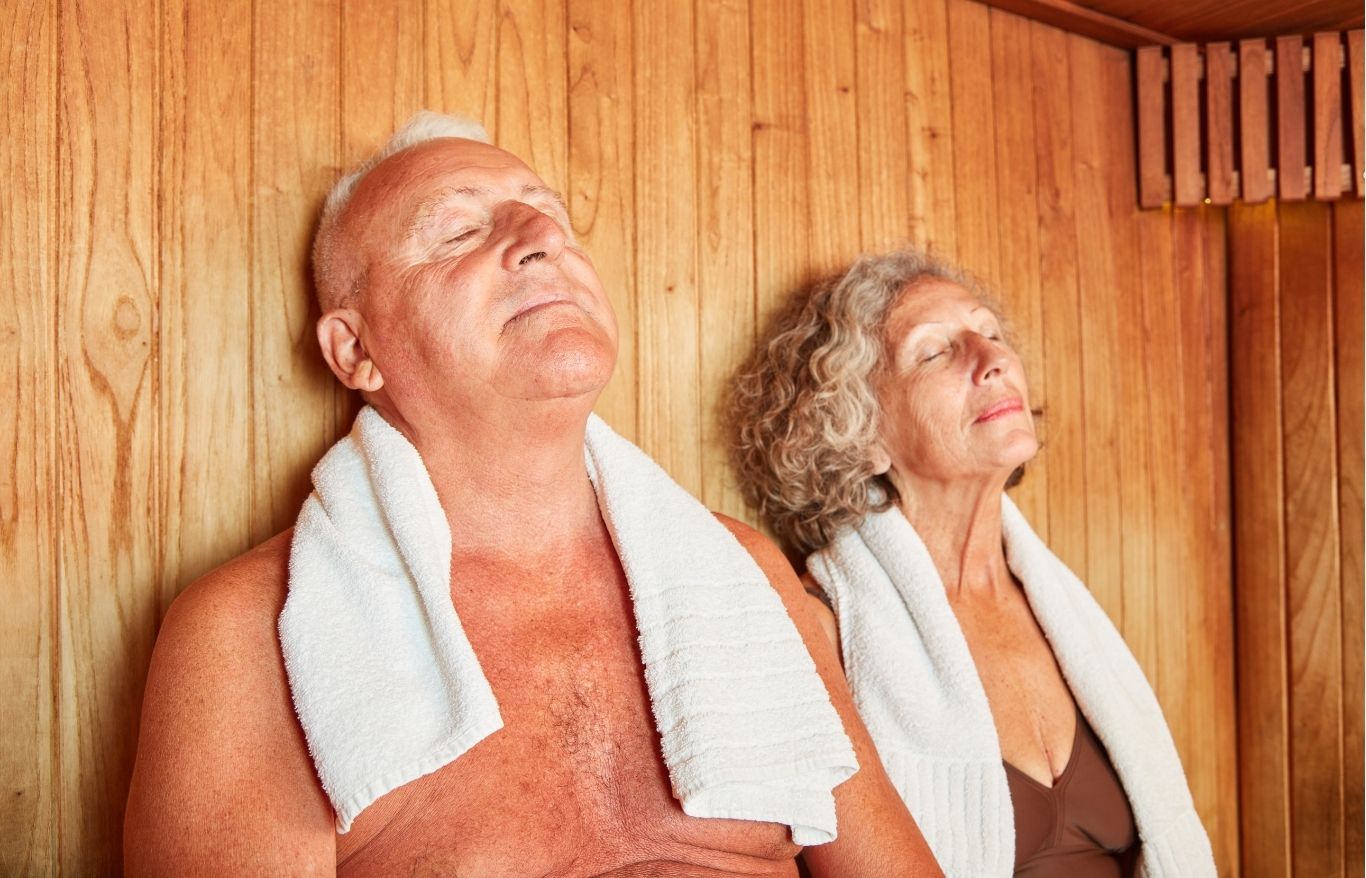
Heat tolerance changes with age, and it’s not just about comfort – it’s about safety. Your body’s ability to regulate temperature declines as you get older, affecting both safe frequency limits and optimal recovery periods between sessions.
If you’re over 65 or dealing with health issues, just take it slower. Start with once or twice a week and see how you feel. There’s no rush. The goal is to feel better, not to follow some perfect protocol. And honestly? Consistency matters way more than frequency.
Reducing baseline frequency by 25% for individuals over 65 provides a conservative starting point that can be adjusted upward based on individual response. This means if a younger person might start with 4 sessions weekly, someone over 65 should start with 3.
Extending recovery periods between sessions becomes more important as age increases. The 48-72 hour recovery window I mentioned earlier might extend to 72-96 hours for older adults, especially when starting a new frequency protocol.
Hydration status requires more careful monitoring with higher frequency protocols in older adults. Age-related changes in kidney function and thirst sensation make dehydration more likely and more dangerous. Daily weight monitoring becomes a crucial safety tool.
Prioritizing consistency over intensity in mature adult protocols often produces better long-term results. Sustainable moderate frequency with perfect consistency outperforms aggressive protocols that lead to burnout or safety issues.
Hydration and Electrolyte Cycling
Frequent sauna use creates cumulative demands on fluid and mineral balance that must be managed systematically. Daily or near-daily sauna use requires proactive electrolyte management and careful monitoring to prevent deficiency-related fatigue, cramping, and more serious complications.
The Mineral Depletion Prevention Protocol
Mineral depletion from frequent sauna use is real and can be dangerous. I learned this the hard way during a period of daily sessions when I started experiencing muscle cramps, fatigue, and heart palpitations that I initially attributed to overtraining.
Testing baseline mineral levels – sodium, potassium, magnesium – before increasing frequency provides crucial reference points. Many people are already deficient in key minerals, and frequent sauna use can push borderline levels into problematic territory.
Structured rehydration after each session becomes non-negotiable with higher frequencies. I use a specific electrolyte replacement strategy: 16-20 ounces of water with added minerals within 30 minutes of finishing each session, followed by continued hydration throughout the day.
Morning weight monitoring tracks cumulative fluid balance over time. Daily fluctuations are normal, but consistent downward trends or sudden drops indicate inadequate rehydration that can become dangerous with continued high-frequency use.
Reducing frequency when mineral supplementation cannot maintain balance is a safety requirement, not a suggestion. If proper hydration and electrolyte protocols aren’t preventing symptoms of depletion, frequency must decrease regardless of other goals.
Lisa’s Learning Experience: Lisa, a 38-year-old triathlete, increased her sauna frequency to daily sessions during winter training. After two weeks, she experienced severe muscle cramps and fatigue. Blood work revealed depleted magnesium and potassium levels. She implemented a structured electrolyte protocol with 400mg magnesium and 1000mg potassium post-session, plus morning weight tracking. This allowed her to maintain 5-6 sessions weekly safely while supporting her training goals.
Age and Health Considerations That Actually Matter
Individual health status, age, and medical conditions create personalized frequency requirements that override general optimization protocols. Understanding these individual factors and adjusting accordingly ensures both safety and effectiveness while preventing the health issues that can arise from inappropriate frequency patterns.
Personal health factors trump optimization protocols every time. I’ve seen too many people try to force high-frequency sauna protocols despite individual contraindications, and the results are never worth the risk.
Pregnancy, certain medications, autoimmune conditions, and metabolic disorders all require specific frequency modifications. Working with healthcare providers familiar with sauna therapy becomes essential for anyone with significant health considerations.
The interaction between sauna frequency and medications is particularly complex. Some medications affect heat tolerance, others influence electrolyte balance, and some create cardiovascular risks that change with frequent heat exposure. This requires ongoing medical monitoring, not just initial clearance.
Recovery capacity varies dramatically between individuals based on genetics, fitness level, stress load, and health status. What works for a healthy 30-year-old athlete may be completely inappropriate for someone dealing with chronic illness or high life stress. The integration of sauna and cold recovery protocols can help optimize recovery for different health conditions when done appropriately.
Things to Watch Out For:
- Recent heart attack (within 6 months)
- Unstable heart conditions or severe arrhythmias
- Uncontrolled high blood pressure
- Pregnancy (definitely talk to your doctor)
- Heat sensitivity conditions
- Medications affecting temperature regulation
- Active fever or acute illness
- Severe kidney or liver disease
Can we be honest for a minute? Most of the people reading this aren’t going to follow complex cycling protocols or track their heart rate variability every day. And that’s totally fine! Going to the sauna 3 times a week and feeling good is infinitely better than having the “perfect” schedule that you quit after two weeks.
How HETKI Sauna Supports Your Frequency Optimization Journey
The complexity of optimal sauna frequency demands consistent, reliable equipment that can accommodate varied protocols and maintain precise temperature control. HETKI Sauna’s authentic Finnish craftsmanship and customizable features provide the foundation needed for successful frequency optimization while supporting both individual and social sauna practices.
One thing I learned the hard way – if your sauna takes forever to heat up or the temperature swings all over the place, you’re not going to want to use it regularly. Consistency in your equipment makes consistency in your routine so much easier. That’s why I appreciate saunas that just work reliably, like the ones from HETKI.
Implementing these frequency optimization strategies requires a sauna that performs consistently across all protocols. Whether you’re doing daily short sessions, intensive weekly protocols, or social group sessions, your sauna needs to maintain exact temperature control and reliable performance.
HETKI Sauna’s precision engineering ensures that your frequency experiments aren’t compromised by equipment variability. When you’re tracking how you feel and adjusting protocols based on response, you need to know that temperature, humidity, and heating consistency aren’t variables in your equation.
The customizable features support both solo optimization sessions and social frequency patterns. You can create the perfect environment for morning cognitive priming sessions, evening recovery protocols, or weekend social gatherings without compromising on the specific conditions each approach requires.
Ready to start optimizing your sauna frequency with equipment that won’t let you down? Explore HETKI’s authentic Finnish saunas and discover how the right foundation makes all the difference in your health optimization journey.
Final Thoughts
Here’s the truth: There’s no perfect sauna schedule. I’ve tried them all, tracked everything, and stressed about optimization for years. What I learned is that the best frequency is the one you can stick with long-term.
Optimal sauna frequency isn’t a one-size-fits-all prescription – it’s a personalized approach that balances your individual biology, lifestyle, health status, and goals. The key is starting conservatively, paying attention to how you feel, and adjusting based on real feedback from your body rather than what you think should work.
Whether you’re using saunas for stress resilience, metabolic optimization, cognitive enhancement, or social connection, the frequency patterns that work best for you will be unique to your situation and may change over time.
The biggest mistake I see people make is trying to optimize everything at once. Start with one approach – maybe the 48-72 hour recovery window or the seasonal adjustment pattern – and give it 4-6 weeks of consistent implementation before adding complexity.
Remember that frequency optimization is a long-term game. The patterns that serve you best today might need adjustment as your health status, stress levels, or life circumstances change. Stay curious, track your responses, and be willing to modify your approach based on what your body tells you.
Most importantly, don’t let the pursuit of perfect frequency prevent you from enjoying the profound benefits that consistent sauna practice provides. Sometimes good enough, done consistently, beats perfect protocols that you can’t maintain.
Start simple, listen to your body, and adjust as you go. Your sauna practice should make your life better, not more complicated.