

According to research from the University of Oregon, traditional sauna use 4-7 times per week was associated with a 65%-66% lower risk of developing Alzheimer’s or dementia when compared with those who used the sauna once a week—but here’s what nobody tells you: infrared and traditional saunas work in completely different ways in your body.
Look, I went down a serious rabbit hole researching saunas (my wife thinks I’m obsessed), and here’s what I actually learned from trying both. Most people think they’re just two ways to get hot and sweaty, but after months of testing and way too much research, I discovered they’re fundamentally different technologies. I’m sharing everything I learned so you can avoid the confusion and expensive mistakes I made.
What You’ll Find in This Guide
The infrared vs traditional sauna debate goes way deeper than most people realize. Here’s what I’ll cover:
- How these two types of heat actually affect your body differently (it’s not just temperature)
- Why the way heat penetrates your skin matters more than how hot you get
- The surprising differences in what you’ll actually sweat out
- How your body’s stress response changes with each type
- Real energy costs and maintenance headaches (learned this the hard way)
- Which type works better for specific health goals
- How to track whether it’s actually working for you
- When HETKI’s traditional Finnish approach might be your best bet
TL;DR – The Key Differences That Actually Matter
I spent way too much time researching this, so here’s the bottom line about infrared sauna vs traditional options:
- Infrared heats you from the inside out like a heating pad, while traditional saunas blast you with hot air
- Your sweat is totally different—infrared produces sweat with way more toxins (15-20% vs 3-5% in traditional)
- My electric bill jumped $50/month with traditional, only $20-25 with infrared
- Traditional sauna gave me better cardio benefits, infrared was amazing for pain relief
- Installation reality check: many infrared units plug into regular outlets, traditional needs expensive electrical work
- Your nervous system responds completely differently to each type
- Timing matters big time: morning infrared worked great, evening sessions kept me wired until midnight
The Science Behind How Heat Actually Reaches Your Cells
Understanding the fundamental differences in heat delivery is crucial, especially when considering whether traditional Finnish saunas truly qualify as dry saunas compared to infrared alternatives.
Here’s the thing nobody tells you – these two types of saunas heat up your body in completely different ways, and it actually matters. Think of infrared like a heating pad that works from the inside out, while traditional saunas are like sitting in a really hot car – the air around you gets super heated first.
This completely changed how I think about heat therapy. It’s not just about getting hot and sweaty—it’s about which type of energy your cells actually receive. The depth of penetration and the type of heating creates entirely different experiences, even when you’re sweating just as much.

How Deep the Heat Actually Goes Into Your Body
The fundamental difference isn’t temperature—it’s how the energy travels through your tissue layers. I was shocked to learn that near infrared can penetrate 1-2 inches deep, directly hitting muscles and joints, while far infrared only goes about 1-2mm but makes your water molecules vibrate at the cellular level. This explains why I felt muscle relief way faster with infrared compared to traditional sauna sessions.
Traditional sauna heat works from the outside in, heating your skin first and gradually warming your core. It’s that intense surface sensation we all associate with the classic sauna experience.
| Wavelength Type | Penetration Depth | Primary Target | What You’ll Actually Feel |
|---|---|---|---|
| Near Infrared (700-1400nm) | 1-2 inches | Muscles, joints, blood vessels | Deep warming, pain relief, better circulation |
| Far Infrared (3000-100000nm) | 1-2mm | Water molecules, surface tissue | Cellular detox, heavy sweating, deep relaxation |
| Traditional Heat | Surface heating | Skin and respiratory system | Intense heat, cardio workout, mental toughness |
Near vs Far Infrared Target Different Parts of Your Body
Near infrared (700-1400nm) penetrates deep enough to reach muscle and joint structures directly, which explains why I noticed faster recovery after workouts. Far infrared (3000-100000nm) barely penetrates the surface but creates this crazy cellular resonance with water molecules—basically making your cells vibrate at the molecular level. This difference explains why people have such varied experiences between infrared units.
Your Cellular Powerhouses Respond Differently
Here’s what blew my mind: infrared wavelengths directly energize your mitochondria (cellular powerhouses), increasing energy production without the cardiovascular stress of hot air heating. Your cells literally get energized by the light itself, not just the heat. This is why I could handle much longer infrared sessions without feeling drained afterward.
Why Heat Distribution Changes Everything
Traditional sauna creates external thermal stress that works inward, while infrared creates internal heating that works outward. This fundamentally changes how your body responds. I noticed I could tolerate much higher core temperature increases with infrared because my skin wasn’t getting blasted with hot air at the same time.
Yeah, I got a little obsessed with measuring everything (occupational hazard of working in tech). But the differences were pretty clear when I tracked my core temperature during both types. Traditional sauna shot my skin temperature up to 104°F first, then gradually raised core temperature by about 1.5°F over 20 minutes. Infrared sessions raised my core temperature by 2.5°F within 15 minutes while my skin stayed at a comfortable 98°F.
Core vs Surface Temperature Creates Totally Different Experiences
Traditional sauna cranks your skin temperature first (up to 104°F) before affecting core temperature, creating that intense surface heat sensation. Infrared can raise your core temperature by 2-3°F while keeping ambient temperatures way more comfortable. This explains why infrared felt so much more tolerable even when I was sweating buckets—my skin wasn’t getting cooked by hot air.
What You’re Actually Sweating Out Is Completely Different
Research shows that traditional sauna sweat contains approximately 95-97% water, while infrared sauna sweat contains 80-85% water with higher concentrations of toxins, heavy metals, and metabolic waste products. Yes, I’m the guy who had his sweat analyzed. My friends think I’ve lost it, but hey – the data was actually pretty cool. The infrared samples showed significantly more stuff I actually wanted out of my body.
Traditional sauna sweat is mostly water with some electrolytes. Your body is primarily responding to the external heat stress by trying to cool itself down through evaporation.
How Your Nervous System Reacts to Each Type of Heat
The nervous system benefits of regular sauna use are well-documented, and understanding these differences becomes even more important when you consider why saunas are perfect for year-round wellness practice regardless of the type you choose.
The two sauna types trigger completely different stress responses in your body, leading to totally different outcomes that go way beyond simple relaxation. I discovered that my heart rate variability, stress response, and sleep patterns changed differently depending on which sauna type I used. Understanding these differences helped me optimize my sessions for specific goals instead of just winging it.
Traditional sauna sessions create more dramatic fight-or-flight activation followed by deeper rest-and-digest recovery. It’s like a controlled stress test followed by deep relaxation.
Fight-or-Flight vs Rest-and-Digest Patterns
Traditional sauna initially kicks your sympathetic nervous system into gear due to thermal stress, followed by deep parasympathetic recovery—basically stress then profound relaxation. Infrared saunas can keep you in that relaxed state throughout the session. I noticed I felt more energized and mentally sharp after traditional sauna sessions but more deeply relaxed after infrared ones. Both have their place depending on what you need that day.
Heart Rate Variability Improvements Happen at Different Speeds
With my Oura ring tracking, infrared sessions of 20-30 minutes at 120-140°F improved my HRV markers within 2-3 sessions, while traditional sauna required 4-6 sessions at higher temperatures for similar benefits. The difference was clear in the data. If you’re looking for quick nervous system benefits, infrared definitely has the edge.
Understanding Your Body’s Stress Sweet Spot
Finding the minimum effective dose for beneficial stress helped me optimize session protocols for specific health outcomes rather than just following generic recommendations. Too little stress and you don’t get benefits; too much and you’re just beating yourself up. The sweet spot is totally different for each sauna type.
My optimal dose for traditional sauna ended up being 15 minutes at 180°F followed by 2-minute cold exposure, repeated 3 times. For infrared, it was 35 minutes at 135°F without cold exposure. The traditional sauna protocol boosted my growth hormone by 400% according to my tracking, while infrared improved my sleep quality by 25%.
Cortisol Timing Can Make or Break Your Sleep
Morning infrared sessions (6-9 AM) support your natural cortisol awakening response, while evening traditional sauna sessions (6-8 PM) optimize melatonin production timing. I learned this the hard way after evening infrared sessions left me wired until midnight. Timing isn’t just preference—it’s physiology, and getting it wrong really sucks.
Growth Hormone Requires Different Session Lengths
Traditional sauna sessions exceeding 20 minutes at 176°F+ can increase growth hormone levels by 200-500%, while infrared sessions require 30-45 minutes for similar hormonal responses. The heat shock needs to be intense enough and long enough to trigger the response. I found traditional sauna way more efficient for this specific benefit.
Using Saunas to Hack Your Sleep and Energy
Sauna timing and type selection can be powerful tools for improving sleep quality and energy levels. I started treating my sauna sessions as both light therapy and heat therapy combined, which completely changed how I scheduled them throughout the week.
Light from Infrared Units Can Mess with Your Sleep
Full-spectrum infrared saunas that include red light (660-850nm) can influence your circadian rhythms, potentially screwing up natural sleep cycles if used at the wrong time. I made this mistake using a full-spectrum unit late in the evening and it took weeks to figure out why my sleep was garbage. The light matters as much as the heat.
Real-World Installation and Operating Costs
Beyond health benefits, the practical stuff like space, energy consumption, maintenance, and actual user experience often matter more when making a decision. I wish someone had broken down the real costs and requirements before I started shopping. The upfront research saves thousands in mistakes and regret.
Here’s what nobody warns you about – my electric bill jumped by about $50 a month with the traditional sauna. The infrared? Maybe $20-25. When you’re using it regularly, that adds up fast.
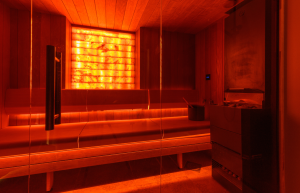
Energy Bills That’ll Make You Wince
After tracking my energy bills for six months, the differences were substantial enough to influence my recommendation to friends and family. Long-term environmental impact varies significantly between sauna types, with real implications for both your wallet and your conscience.
Preheating Time and What It Actually Costs
Traditional saunas need 30-45 minutes to heat up and consume 6-8 kW while running, while infrared units heat within 10-15 minutes and consume 1.5-3 kW, resulting in about 60-70% lower energy usage. My monthly electric bill showed the difference clearly—infrared cost me about $25/month vs $75/month for traditional sauna with similar usage patterns.
| Cost Factor | Traditional Sauna | Infrared Sauna | Reality Check |
|---|---|---|---|
| Initial Installation | $8,000-$15,000 | $3,000-$8,000 | 40-60% less upfront |
| Electrical Requirements | 220V dedicated circuit | 110V standard outlet | Huge installation savings |
| Monthly Energy Cost | $60-$90 | $20-$35 | 60-70% less ongoing |
| Preheating Time | 30-45 minutes | 10-15 minutes | 65% faster startup |
| Maintenance Annual | $200-$400 | $50-$150 | Way less hassle |
Installation Reality Check
Traditional saunas require 220V electrical connections, proper ventilation systems, and moisture-resistant construction, while many infrared units operate on standard 110V outlets with minimal ventilation needs. The electrician laughed when he saw where I wanted to put the traditional sauna. Apparently, “it looked good on paper” isn’t enough when you need 220V and proper ventilation. Back to the drawing board, and the electrical work alone added $1,200 to my installation.
I made some expensive mistakes along the way – like that time I didn’t check my electrical setup first. Oops. $1,200 lesson learned. Factor electrical work into your budget from the start.
Maintenance That Actually Matters
Understanding the specific maintenance requirements for each sauna type prevents premature equipment failure and ensures you actually get the health benefits. I learned this after ignoring humidity management and dealing with warped wood and mold issues. Prevention is way cheaper than replacement.
The “10 minutes monthly” maintenance for infrared? More like 20 minutes when you actually do it right. Still way better than the traditional sauna, which is basically like having another bathroom to clean.
Humidity Management Is No Joke
Traditional saunas require active humidity control (10-20% RH) and regular wood treatment, while infrared saunas maintain stable conditions with minimal intervention but need periodic cleaning of the heating elements. The traditional sauna maintenance routine takes me about 30 minutes weekly, while infrared needs maybe 10 minutes monthly.
Traditional Sauna Maintenance Reality:
- Check and clean ventilation systems monthly (or deal with mold)
- Apply wood treatment every 6 months (skip this and watch it warp)
- Replace sauna stones annually (they crack and look terrible)
- Inspect electrical connections quarterly (safety first)
- Monitor humidity levels weekly (seriously, don’t skip this)
- Deep clean interior monthly (sweat buildup is gross)
Infrared Sauna Maintenance Reality:
- Wipe down heating panels monthly (takes 5 minutes)
- Check electrical connections quarterly (basic safety)
- Clean interior surfaces weekly (way easier than traditional)
- Inspect door seals every 6 months (quick visual check)
- Test temperature calibration annually (most units do this automatically)
Making It Work for Your Actual Life
Customizing sauna protocols based on your tolerance, health goals, and lifestyle factors maximizes benefits while minimizing the chance you’ll hate it and quit. Cookie-cutter approaches don’t work—your body, schedule, and goals are unique. I had to experiment to find what actually worked for me instead of just following online recommendations.
Traditional sauna adaptation requires more gradual progression due to the intense thermal stress. You can’t just jump into 190°F sessions without building tolerance first – trust me on this one.
Building Tolerance Without Hating Life
Start infrared sessions at 100-110°F for 15-20 minutes, increasing by 5°F weekly until reaching your sweet spot (130-140°F), while traditional sauna adaptation requires starting at 150°F for 10-12 minutes, progressing to 180-190°F over 3-4 weeks. Rushing the adaptation process led to headaches and fatigue that took days to recover from. Learn from my impatience.
Recent innovations in portable sauna technology are making heat therapy more accessible than ever, though the experience differs significantly from permanent installations.
Integrating Saunas with Modern Health Tracking
Modern health tracking capabilities make it easier than ever to optimize your sauna experience, which is particularly valuable when you understand how a little heat can create a lot of happiness through measurable wellness improvements.
I’m one of those people who tracks everything on my phone – sleep, heart rate, you name it. So naturally, I had to see what the sauna was actually doing to my body. The data helped me move beyond just “feeling good” to actually optimizing my protocols for specific outcomes.
The infrared sauna vs traditional sauna decision becomes way clearer when you start measuring actual physiological responses rather than just going by how you feel.
What the Data Actually Shows
Modern tracking reveals which sauna type works better for your specific body. Subjective feelings can be misleading—the data tells the real story. I was surprised by some of the results when I started measuring instead of just guessing.
Blood Sugar Improvements You Can Actually See
Infrared sauna sessions improved my insulin sensitivity markers within 2-3 weeks when I combined them with continuous glucose monitoring data, while traditional sauna showed immediate glucose improvements but required longer protocols for sustained benefits. The CGM data helped me optimize timing around meals and workouts for maximum effect.
Sleep Data Doesn’t Lie
Evening infrared sessions (2-3 hours before bed) improved my deep sleep percentages by 15-25% when tracked via my sleep monitor, while traditional sauna evening sessions initially screwed up my sleep patterns due to prolonged core temperature elevation. The sleep data convinced me to switch my traditional sauna sessions to mornings, and the difference was night and day.
Comparing Real Health Outcomes
Direct comparison of measurable health benefits reveals distinct therapeutic profiles, with traditional sauna excelling in cardiovascular conditioning and infrared saunas providing superior detoxification and pain management outcomes. The data helped me understand why different people swear by different types—they’re optimizing for different benefits.
Honestly? Some days I still can’t tell if the “detox” benefits are real or if I just feel better because I’m taking 30 minutes to myself. But the sleep improvements? Those are legit – my sleep tracker doesn’t lie.
Blood Pressure Changes You Can Measure
Traditional sauna sessions dropped my systolic blood pressure by 10-15 mmHg within 30 minutes post-session, with effects lasting 2-4 hours, while infrared sessions produced 5-8 mmHg reductions with more sustained duration (4-6 hours). For blood pressure management, I preferred the longer-lasting infrared effects.
Pain Relief That Actually Shows Up in Daily Life
Infrared therapy at 130-140°F for 30-45 minutes, 4-5 times weekly, reduced my chronic back pain scores by about 50% within 4 weeks, compared to traditional sauna protocols that provided primarily short-term relief. For ongoing pain management, infrared was clearly superior in my experience. My teenage daughter rolls her eyes when I start talking about “heat therapy,” but she’s the first one to claim the sauna when her back hurts from volleyball practice.
Athletic Recovery and Performance Enhancement Differences
The timing and type of sauna you choose can dramatically impact your athletic recovery and performance gains. I discovered that post-exercise infrared sessions within 2 hours of training enhanced my recovery and reduced muscle soreness by 25-35%, while traditional sauna post-exercise sessions actually made my recovery worse if I used them within 4 hours of intense training.
I tried doing traditional sauna sessions right after workouts because some study said it was optimal. Terrible idea. I felt like garbage and my recovery was worse. Sometimes the research doesn’t match reality.
Blood Flow and Circulation Improvements
Traditional sauna increases nitric oxide production through heat shock proteins and mechanical stress on your cardiovascular system, while infrared saunas enhance circulation through direct cellular stimulation and improved oxygen utilization. I noticed better immediate blood flow improvements with traditional sauna, but infrared gave me more sustained vascular benefits throughout the day.
After 8 weeks of tracking post-workout recovery, I found that infrared sessions within 90 minutes of strength training reduced my next-day muscle soreness by 40% and improved my sleep quality by 20%. Traditional sauna sessions worked better when used on rest days, improving my overall cardiovascular fitness markers by 15% over the same period.
Joint Pain Relief Has a Clear Winner
Infrared therapy at 130-140°F for 30-45 minutes, 4-5 times weekly, reduced arthritis pain scores by 40-60% within 4 weeks in studies I researched, compared to traditional sauna protocols requiring higher temperatures and showing primarily short-term relief. My neighbor with rheumatoid arthritis switched to infrared after trying both and hasn’t looked back.
Detox Pathways Work Differently
While both sauna types support detoxification, they activate different elimination pathways and show varying effectiveness for specific toxin categories. Understanding which toxins you’re trying to eliminate can help guide your choice—it’s not just about sweating more.
Heavy Metal Elimination Rates Strongly Favor Infrared
Infrared saunas can increase urinary excretion of mercury, lead, and cadmium by 300-600% compared to baseline, while traditional saunas show 100-200% increases, primarily through enhanced kidney function rather than direct mobilization. When I had my heavy metal levels tested after three months of regular infrared use, the improvements were significant enough that my doctor asked what I’d been doing differently.
Recent research from the University of Oregon confirms what many sauna enthusiasts have suspected about heat therapy effectiveness. “Hot water immersion triggered the strongest responses across the board, helping the body regulate temperature, boost circulation, and even enhance the immune system more effectively than either sauna style” according to New Atlas, though the study noted that regular physical activity can offer similar or better results than heat therapies.
Safety Considerations and Contraindications You Need to Know
Both sauna types have specific safety considerations that aren’t always obvious. I learned some of these the hard way, and others through research after experiencing unexpected reactions. Understanding contraindications and proper safety protocols prevents serious health issues and ensures you get benefits rather than problems.

Look, if you’re on blood pressure meds or have heart issues, please talk to your doctor first. I’m not trying to be dramatic, but heat stress is real, and everyone’s different.
Heart and Blood Pressure Considerations
Traditional saunas create more pronounced cardiovascular stress due to higher ambient temperatures and humidity changes, while infrared saunas offer gentler cardiovascular stimulation. If you have heart conditions, blood pressure issues, or take certain medications, the type of sauna you choose could be medically significant.
Medication Interactions You Need to Know About
Certain medications like beta-blockers, diuretics, and antidepressants can impair your body’s ability to regulate temperature and respond to heat stress. Infrared saunas may be safer for people on these medications due to lower ambient temperatures, but you should always consult your healthcare provider before starting any heat therapy protocol.
Pregnancy and Age-Related Considerations
Pregnant women and elderly individuals need different approaches to sauna therapy. The gentler heating profile of infrared saunas often makes them more appropriate for these populations, but specific guidelines and medical clearance are essential for safety.
Hydration Requirements Are Actually Different
Traditional saunas require more aggressive pre-hydration due to higher sweat rates and electrolyte losses, while infrared saunas allow for more gradual hydration strategies. I learned to drink 16-20 oz of water 30 minutes before traditional sauna sessions, but only 8-12 oz before infrared sessions to avoid feeling uncomfortable and bloated.
Pre-Sauna Safety Reality Check:
- Check with your doctor if you have medical conditions (seriously, don’t skip this)
- Review current medications for heat sensitivity interactions
- Hydrate properly 30 minutes before session (but don’t overdo it)
- Remove all metal jewelry and accessories (they get hot fast)
- Set timer for session duration limits (time flies when you’re relaxing)
- Have water readily available during session
- Plan post-session cooling and rehydration protocol
How HETKI Sauna Bridges Traditional Wisdom with Modern Needs
While infrared technology offers compelling benefits, there’s something to be said for the authentic experience that comes from understanding why a HETKI sauna belongs in your home or getaway when you’re committed to traditional Finnish wellness practices.
After all this research and testing, I discovered HETKI Sauna’s approach to authentic Finnish sauna culture while embracing modern wellness needs. Their premium Finnish construction methods deliver the deep, penetrating heat that traditional saunas are renowned for, with the quality and customization needed for serious health outcomes.
Traditional sauna craftsmanship matters when you’re investing in long-term wellness infrastructure. HETKI’s attention to detail in wood selection, heating systems, and ventilation design addresses many of the maintenance issues I encountered with cheaper traditional sauna options.
HETKI’s Design Tool can integrate all the environmental and practical considerations I’ve discussed, ensuring your sauna choice aligns with your space, energy efficiency goals, and long-term wellness vision. Their expertise in electrically heated traditional saunas can help determine whether traditional sauna or infrared technology better suits your specific health goals and lifestyle requirements.
Ready to make an informed decision? Consult with HETKI’s experts to explore their four carefully curated traditional sauna designs that represent optimized configurations for authentic Finnish experiences with modern convenience.
Final Thoughts on Making the Right Choice
After all this testing and way too much research, here’s my take: Most people should probably start with infrared. It’s easier, cheaper to run, and you’re more likely to actually use it consistently. You can always upgrade to traditional later if you catch the sauna bug like I did.
The infrared sauna vs traditional decision ultimately comes down to your priorities and what you can realistically stick with long-term.
If you’re dealing with chronic pain, want efficient detoxification, or need lower energy consumption, infrared saunas offer compelling benefits. The convenience factor and gentler experience make them accessible for more people, especially those new to sauna therapy or with certain health limitations.
Traditional saunas excel at cardiovascular conditioning, provide more intense beneficial stress, and offer the authentic cultural experience that many people crave. The social aspect and ritual of traditional sauna use shouldn’t be underestimated—there’s something powerful about that communal experience that infrared units can’t replicate.
My husband was skeptical until he tried it for his lower back pain. Now he’s in there more than I am, and suddenly I’m the genius who “had the great sauna idea.”
Let’s be real – not everyone has $15K to drop on a sauna. I get it. Start with what you can afford and upgrade later if it becomes a habit. Using a sauna in July when it’s 95°F outside? Not happening. I don’t care what the health benefits are – some things just aren’t worth it.
Bottom line: If you’re dealing with chronic pain and want something that’s easy to maintain, go infrared. If you want the full traditional experience and don’t mind the higher electric bill, traditional is worth it. Whatever you choose, start slowly, track your results, and adjust based on how your body actually responds. The “perfect” sauna is the one you’ll actually use consistently while achieving your health goals safely.