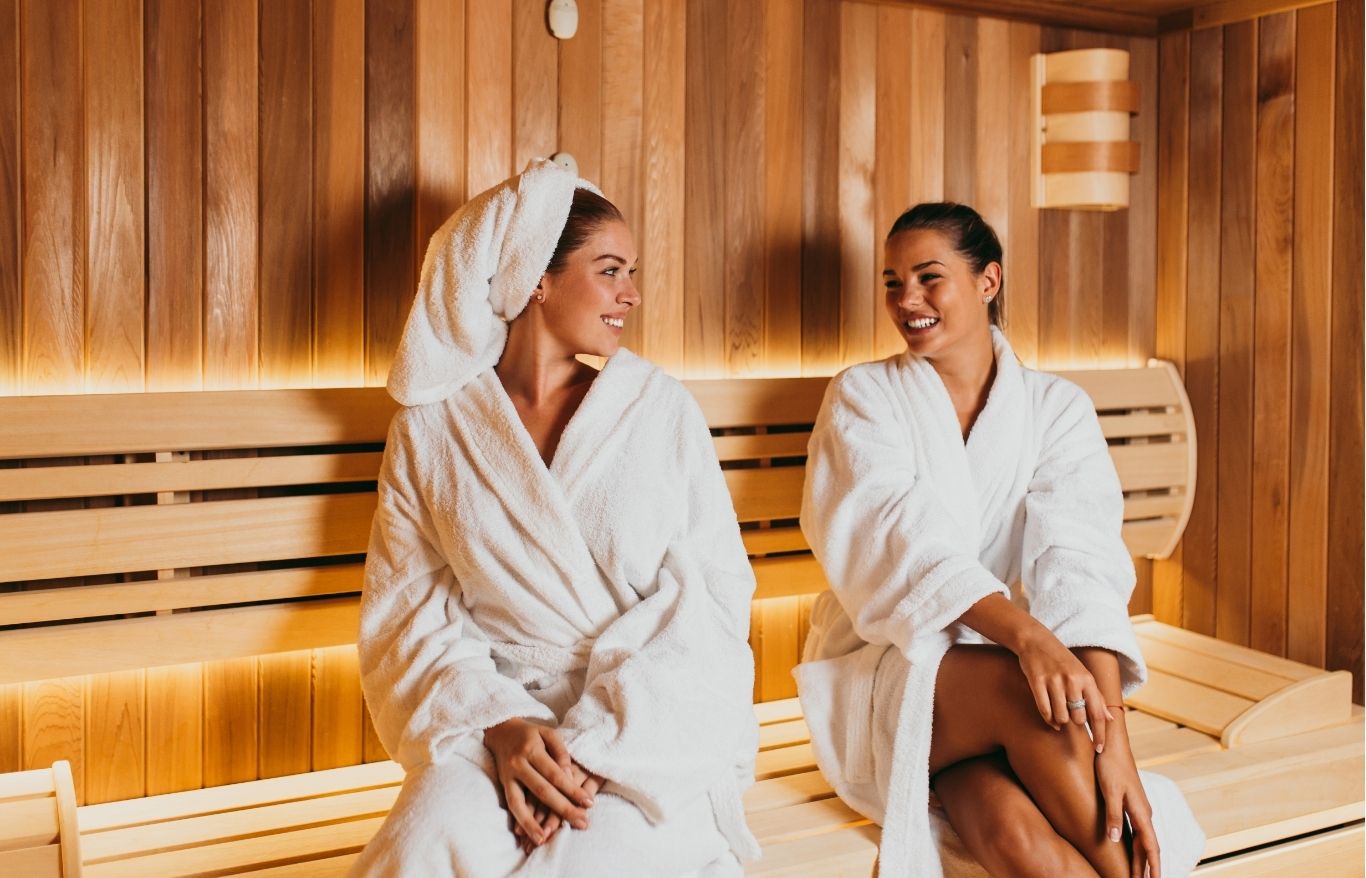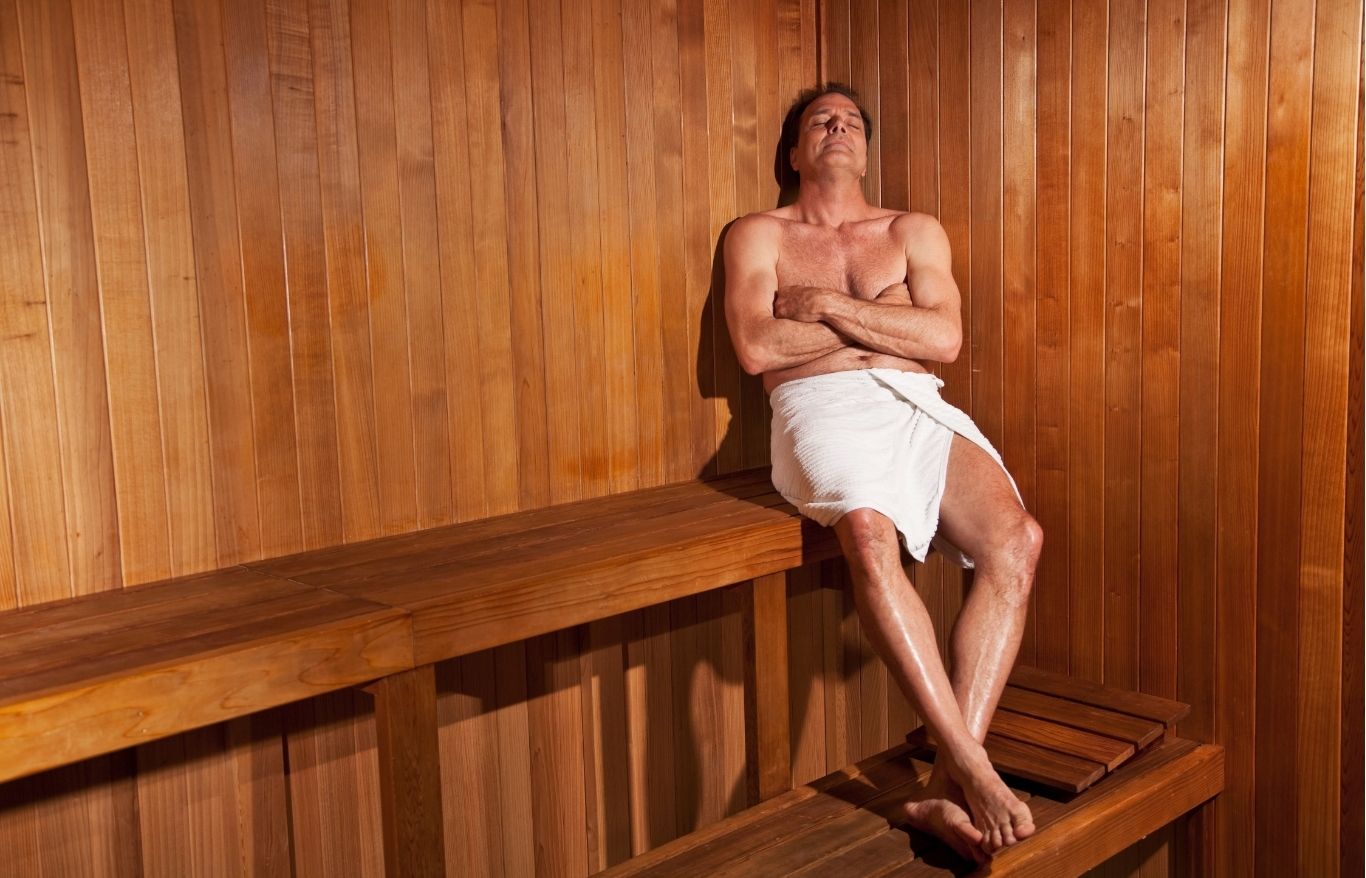

The first time I stumbled out of a sauna after massage, dizzy and nauseous, I thought I’d discovered some kind of wellness hack gone wrong. What I actually discovered was that I was being an idiot and rushing the process. Look, I get it – you’re paying good money for spa time, and you want to squeeze everything in. But here’s what nobody tells you: your body needs a breather between these two intense experiences.
According to wellness experts, only 15-20 minutes of sauna bathing per day offers a plethora of benefits, but the key lies in understanding when your body is actually ready for that transition after getting worked on. I was ignoring the critical signals my body was sending, treating my nervous system like it could just flip a switch from massage mode to heat mode.
That experience taught me everything I know about why timing matters more than anyone tells you when combining these two powerful therapies.
Table of Contents
- The 20-Minute Rule That Changed Everything
- Why Your Sauna Type Actually Matters More Than You Think
- When Things Go Wrong: Red Flags I Wish I’d Known
- Your Brain on Heat: The Neurological Side Nobody Talks About
- Ancient Wisdom Meets Modern Science
- Creating Your Personal Protocol
- Should You Sauna Before or After? The Great Debate
- The Real Benefits Nobody’s Telling You About
TL;DR
- Wait 20 minutes after massage before hitting the sauna – your body needs time to reset
- Infrared and traditional saunas affect massage-treated muscles completely differently
- Dizziness, nausea, or sudden muscle tension means you’ve pushed too hard too fast
- Your brain chemistry changes dramatically during the massage-to-sauna transition
- Finnish, Japanese, and Russian cultures have perfected these combinations over centuries
- Heart rate variability and skin temperature are your best guides for timing
- Pre-massage sauna prepares tissues; post-massage sauna integrates the work
- The detox and metabolic benefits are real, but only with proper sequencing
The 20-Minute Rule That Changed Everything
Look, most people rush from massage table to sauna like they’re trying to catch a train. I get it – you’re paying good money for spa time, and you want to squeeze everything in. But here’s what I learned the hard way: your body needs a breather between these two intense experiences.
When I nearly face-planted after ignoring this transition period, I realized I was treating my nervous system like it could just flip a switch. Your blood vessels are already doing their happy dance from the massage, your whole system is in chill mode, and then BAM – you hit it with intense heat. It’s like waking someone up with an air horn.
The sauna after massage thing only works when you give your body time to figure out what just happened. I’ve watched so many people make my same mistake – walking straight from getting worked on into a 180-degree box, then wondering why they feel like garbage.
Finding Your Sweet Spot: When Your Body Says “Ready”
Here’s the thing nobody tells you: your body is actually pretty chatty about when it’s ready for round two. You just have to pay attention instead of scrolling through your phone during the break.
Those 20 minutes aren’t dead time – they’re when the real magic happens. I spend them doing gentle stretches (nothing crazy, just moving around), drinking water, and actually checking in with how I feel. My breathing gets deeper without me thinking about it. My heart stops doing whatever weird rhythm it was doing. Most importantly, I start feeling warmer naturally as everything settles down.
Reading Your Body’s “All Clear” Signal
I used to think “listen to your body” was just wellness-speak for “wing it.” Turns out, there are actual signs that tell you when you’re good to go.
First, my breathing shifts. During massage, I’m often holding my breath or breathing weird when they hit a tender spot. After the good kind of wait, my breath just flows naturally – I don’t have to think about it.
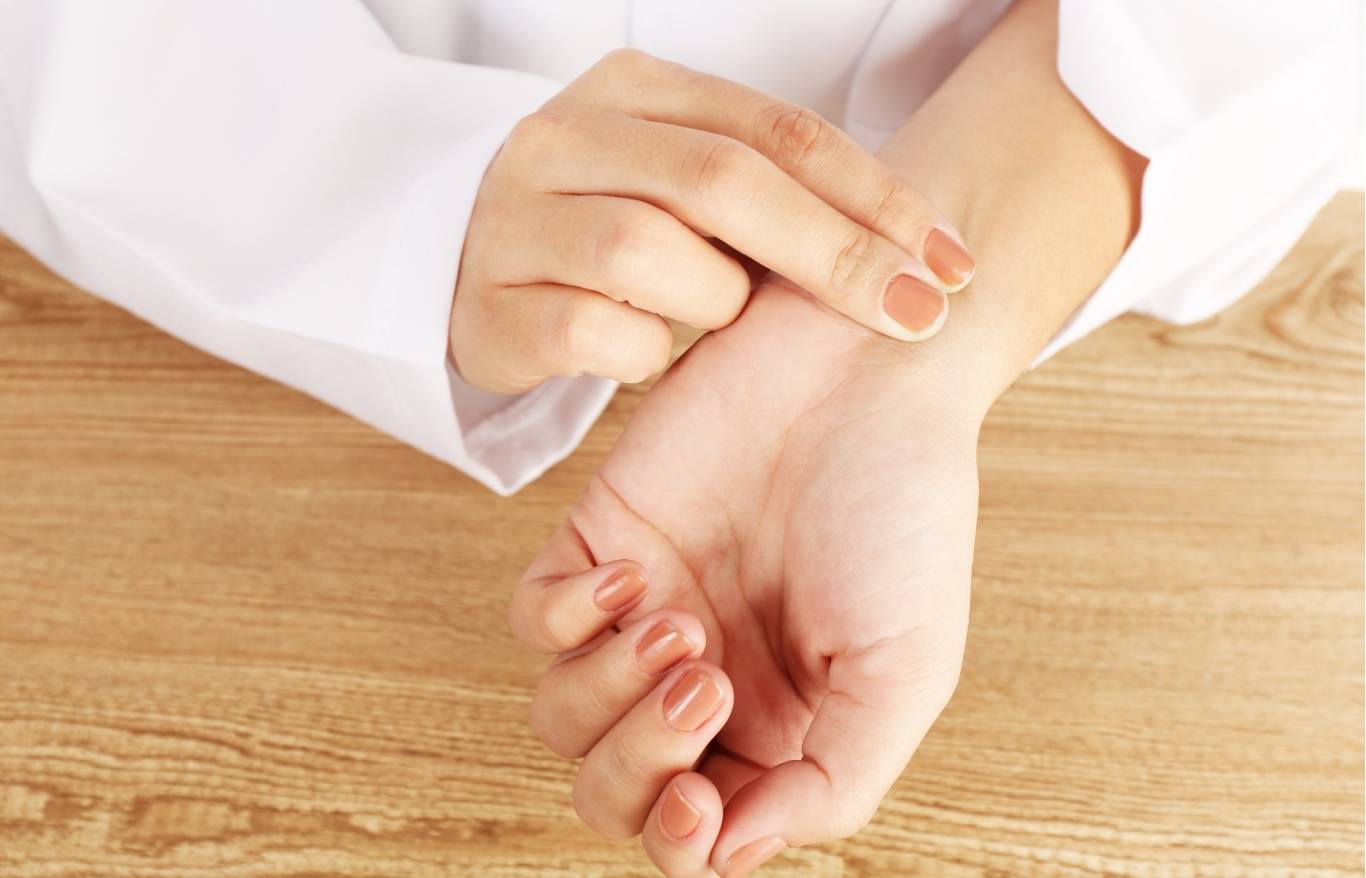
Then there’s the pulse check. I’m not going full medical student here, just a quick feel at my wrist. Right after massage, it sometimes feels like my heart can’t decide what it’s doing. When it settles into a steady, calm rhythm, that’s usually my green light.
Understanding these natural rhythms connects perfectly with developing a science-based sauna routine that actually works with your body instead of against it.
My friend Sarah learned this lesson during marathon training. She’d get deep tissue work on her legs, then immediately hit the infrared sauna thinking she was being efficient. Result? Her muscles felt worse, and she slept terribly. Once she started waiting it out and doing some light stretching first, her recovery time improved dramatically and she stopped waking up feeling like she’d been hit by a truck.
Keeping Things Moving
Here’s something weird I discovered: massage gets your lymphatic system pumping like crazy, but all that good circulation can basically stall out if you don’t keep it moving gently. I’m not talking about doing jumping jacks – just simple stuff to keep things flowing.
I do ankle circles, shoulder rolls, maybe some easy neck stretches. Nothing that creates new tension, just enough movement to keep the good stuff circulating. Sometimes I’ll walk around a bit or do gentle arm swings. The goal is maintaining that circulation boost without undoing the relaxation.
The Dizziness Test
This one’s simple but crucial: if standing up makes you see stars or feel wobbly, you’re definitely not ready for a hot box. Your hands and feet should feel warm and well-supplied with blood, not cold or tingly.
I make it a point to stand up slowly during my transition time. If I feel any weirdness – dizziness, lightheadedness, that “whoa” feeling – I sit back down and wait longer. No spa session is worth feeling like garbage.
Infrared vs Traditional: It’s Not Just About Temperature
I used to think heat was heat. Hot rocks, infrared panels, whatever – as long as I was sweating, I was winning, right? Wrong. The type of sauna you choose after massage actually changes how the heat works with your freshly-massaged muscles.
Traditional saunas heat the air, which then heats you from the outside in. Infrared saunas skip the middleman and heat you directly from the inside out. After massage, when your tissues are in this weird, wonderful state of being worked over, these different heat sources do completely different things.
Your muscles have just been kneaded, stretched, and manipulated. Blood flow is increased, knots have been worked out, and there might be some inflammation in the deeper layers. The question of whether to use infrared or traditional becomes pretty important because they interact with these massage-altered tissues in totally different ways.
The choice becomes even more critical when you understand the fundamental differences between infrared and traditional saunas and how they affect your post-massage recovery.
| Sauna Type | Temperature | How Deep It Goes | Best For After Massage |
|---|---|---|---|
| Traditional Finnish | 160-180°F | Just the surface | General relaxation, overall circulation |
| Infrared (Near) | 120-140°F | A bit deeper | Targeted muscle recovery |
| Infrared (Far) | 110-130°F | Pretty deep | Deep tissue work, chronic pain |
| Steam Room | 100-120°F | Surface only | Gentle heat, respiratory benefits |
How Deep Does It Really Go?
When I’ve had focused work on problem areas – like my perpetually tight shoulders or angry calves – infrared seems to continue what the massage therapist started. The heat reaches those deeper layers where they were working, like a warm follow-up to the manual work.
But when I’ve had a general relaxation massage, traditional sauna heat feels more appropriate. The all-over warmth complements the overall chill vibe without targeting specific areas that don’t need extra attention.
Your Cells’ Brief Window of Opportunity
Here’s something cool that most people don’t know: massage temporarily makes your cell membranes more porous. Basically, your cells become more open to receiving good stuff and getting rid of waste – but only for a limited time.
This cellular window usually lasts 30-60 minutes after massage, but it’s strongest in the first 20-30 minutes. During this time, heat therapy can enhance nutrient delivery and waste removal in ways that wouldn’t normally be possible. Miss this window, and you lose a lot of the synergistic benefits.
When Everything Goes Wrong: Red Flags I Learned to Spot
Let me tell you about the time I ignored every warning sign my body gave me and pushed through what I thought was just being “soft.” Spoiler alert: it wasn’t character building – it was stupid.
The dizziness hit first, then nausea, and then – this was the weird part – my muscles started tensing up again despite having just been massaged. I thought I was just having an off day and pushed through. Big mistake. I ended up feeling worse than before I started.
Your body is actually pretty smart about telling you when something’s not working. The problem is, we often ignore these signals because we’re determined to get our money’s worth or prove we’re tough.
When Your Blood Vessels Can’t Keep Up
The warning signs follow a predictable pattern. First comes the dizziness – not just feeling a little lightheaded, but genuine room-spinning dizziness. Then nausea kicks in, ranging from mild queasiness to seriously considering finding the nearest trash can.
The weirdest part? Muscles that were just relaxed start tightening up again. It’s like your body is saying, “Nope, we’re going into protection mode.”
When any of these hit, I’ve learned to get out immediately. There’s no benefit to toughing it out – you’re just creating stress responses that undo everything good you were trying to achieve.
The Sneaky Dehydration Trap
Here’s something that caught me off guard: massage moves a lot of fluid around your body. Some gets processed and eliminated, other fluid shifts from stagnant areas to places where it can be better used. This means your hydration status isn’t what it normally would be.
I used to think I could hydrate the same way I would for a regular sauna session. Wrong. I now drink water consistently throughout my transition period – small sips every few minutes rather than trying to chug a bunch right before going in.
When Your Body Fights Back
Sometimes the combination triggers your inflammatory response instead of calming it down. I’ve learned to recognize when things feel “off” – increased soreness in areas that were worked on, general achiness that wasn’t there before, or feeling more anxious instead of relaxed.
This inflammatory backlash can show up as areas getting more sore instead of less, general body aches, or even skin irritation. Sometimes I feel wired instead of relaxed, which is a dead giveaway that my nervous system is responding to stress rather than therapy.
Your Brain on Heat: The Neurological Side Nobody Talks About
Nobody warned me that combining massage and sauna would mess with my head – in both good and weird ways. Your brain is constantly processing information from temperature sensors, pressure receptors, and chemical signals throughout your body. Massage changes this whole landscape, and sauna heat adds another layer that your nervous system has to figure out.
I started paying attention to these brain changes after noticing that some combinations left me feeling incredibly sharp and focused, while others left me feeling scattered and overstimulated. The difference wasn’t random – it was based on how my nervous system was handling the combined input.
After massage, I often feel more aware of my body and internal sensations. Areas that got worked on feel more “present” in my consciousness. Sauna heat can either enhance this awareness or completely overwhelm it, depending on timing and intensity.
How Your Body Awareness Changes
Massage fundamentally changes how you perceive your body in space, and sauna heat modifies this even further. When done right, this creates opportunities for better mind-body connection that goes way beyond just feeling relaxed.
Areas that received massage work often feel heat more intensely. Sometimes this enhanced sensitivity is pleasant and therapeutic, but other times it can be overwhelming. I’ve learned to adjust my position in the sauna based on these sensations – moving closer to or further from heat sources as needed.
Reading Heat on Worked Muscles
Your temperature sensors, already modified by massage, respond differently to sauna heat. I pay attention to how heat feels on areas that got focused work versus untreated areas. This helps me position myself optimally and adjust intensity based on how different body regions are processing the heat.
The contrast between worked and unworked areas gives me valuable information. If the difference feels too extreme, I know I need to dial back the heat exposure.
The Pain Relief Connection
Sauna heat can either enhance or interfere with massage-induced pain relief, depending on timing and intensity. When the timing is right, heat seems to extend the pain relief I get from massage. Areas that were sore before massage and felt better afterward continue feeling good in the sauna.
But when I push too hard or move too quickly into heat, those same areas can start aching again. The key is finding that sweet spot where heat enhances rather than competes with the pain relief mechanisms activated by massage.
Riding the Endorphin Wave
The timing of sauna exposure after massage can either amplify or completely kill your natural endorphin release. I’ve learned to recognize my personal patterns and catch the peak endorphin window for maximum benefit.
Endorphins from massage don’t just disappear immediately – they build, peak, and then gradually decline. Sauna heat can trigger additional endorphin release, but the timing determines whether you get an amplification effect or competing responses that cancel each other out.
Catching Your Peak Feel-Good Moment
There’s a specific window when massage-induced endorphins are at their highest. I can usually feel when this happens – there’s a sense of well-being that goes beyond just feeling relaxed. Pain levels are at their lowest, my mood feels elevated, and I have a general sense that everything is working well in my body.
This usually happens 15-25 minutes after massage for me. When I time my sauna session to begin during this peak, the combination is genuinely remarkable.
My buddy Mark, who works construction and deals with chronic back pain, discovered his endorphin peak occurred exactly 18 minutes after his weekly deep tissue massage. By timing his infrared sauna session to start at this moment, he extended his pain relief from 2-3 days to nearly a full week.
Managing Stress Hormones
Massage typically lowers cortisol levels, but sauna heat can trigger a temporary spike as your body responds to thermal stress. The trick is managing this spike so it becomes beneficial rather than counterproductive.
I use slow, controlled breathing to help my body process the heat stress without triggering a full fight-or-flight response. Four counts in, six counts out works well for me. This breathing pattern helps maintain the calm state from massage while allowing adaptation to heat stress.
Balancing Brain Chemistry
I focus on exhaling longer than I inhale, which activates the part of your nervous system responsible for relaxation and supports the production of calming brain chemicals. Four counts in, six counts out works well for me. This breathing pattern helps maintain the calm state from massage while allowing my body to adapt to heat stress without freaking out.

Ancient Wisdom Meets Modern Science
Traditional cultures figured out sophisticated approaches to massage-sauna combinations thousands of years ago, long before we had research to explain why they worked. I’ve studied these approaches because they represent generations of trial and error, refined by people who depended on these practices for health and survival.
These traditional methods are deeply rooted in authentic Finnish sauna culture, where combining bodywork and heat therapy has been perfected through centuries of practice.
What the Finns Got Right
Finnish sauna culture treats sauna as sacred space, and this reverence extends to how they combine it with bodywork. They understand intuitively that rushing between therapies diminishes both. Their traditional practices include specific rituals and timing that align perfectly with what we now know about nervous system recovery.
The Finns have always understood that sauna and massage are complementary rather than competing therapies. They’ve developed sophisticated protocols for proper sequencing that amplify the benefits of both.
The Steam Breathing Technique
Löyly breathing involves coordinating your breath with steam application after massage. When water hits the hot stones and creates that burst of steam, I inhale slowly and deeply. The humid air feels gentler than dry heat, and the rhythmic nature creates natural breathing cues that help maintain relaxation.
This breathing synchronization prevents the shallow, rapid breathing that can occur when heat stress overwhelms your system. Instead, the steam bursts become opportunities to deepen your relaxation response.
Birch Whisk Timing
The birch whisk should never be used immediately after massage – your skin and tissues are already stimulated. I wait at least 10-15 minutes into my sauna session before introducing any whisking, and then only with very gentle strokes.
The aromatic oils from birch leaves add another therapeutic dimension, but timing matters. Too early, and they can irritate sensitized skin. At the right moment, they enhance the overall experience.
Japanese Hot Spring Wisdom
Japanese onsen culture emphasizes gradual thermal transitions that prevent the shock many people experience when moving from massage to sauna. Their approach focuses on patience and gradual progression rather than jumping into extreme temperatures.
The Gradual Heat Approach
I apply Japanese principles by starting with lower sauna temperatures and gradually increasing heat exposure. I start my post-massage sessions 20-30 degrees lower than normal, then increase the temperature every 5-7 minutes.
This gradual approach takes longer, but the therapeutic benefits are significantly enhanced. My body never goes into shock mode, and I can tolerate longer sessions with greater comfort.
Mindful Transition
During my 20-minute transition period, I practice basic mindfulness – paying attention to breathing, noticing how different parts of my body feel, and observing gradual changes as my system resets.
This awareness helps me recognize the optimal moment for entering the sauna. Instead of watching the clock, I’m listening to my body’s signals and responding accordingly.
Russian Contrast Therapy
Russian banya culture understands that the real magic happens in the transitions between hot and cold. They’ve developed sophisticated protocols for using temperature contrasts to enhance circulation and recovery.
These principles align with modern understanding of sauna and cold therapy for recovery, showing how traditional practices anticipated what science now confirms.
Hot-Cold Cycling After Massage
I’ve adapted traditional Russian methods using available facilities, alternating between sauna heat and cool showers. The key is timing these transitions to work with rather than against the circulation changes from massage.
I typically do 10-12 minutes of sauna heat followed by 2-3 minutes of cool water, repeated 2-3 times. Each cycle pumps blood through areas that received massage work, enhancing nutrient delivery and waste removal.
Creating Your Personal Protocol
Generic advice doesn’t account for individual differences in circulation, nervous system sensitivity, or health conditions. What works perfectly for one person might be completely wrong for another.
I’ve developed my personal protocol through systematic experimentation and careful tracking of how different variables affect my outcomes. This process takes time, but the results are worth it.
Using Technology to Track Responses
I use a combination of wearable devices and simple self-assessment tools to track my responses. The technology provides objective data, while my observations fill in gaps that devices can’t measure.
Heart Rate Variability: Your Nervous System Report Card
I use HRV data to determine optimal timing for sauna entry after massage. When my HRV shows that parasympathetic recovery has peaked (usually 15-30 minutes post-massage), that’s my green light for introducing heat stress.
HRV measurements show subtle variations in time between heart beats, which reflects how well your autonomic nervous system is functioning. After massage, my HRV typically shows increased parasympathetic activity, but this peaks and then starts to decline.
The optimal time for sauna entry is when my HRV indicates peak parasympathetic recovery but before it starts declining significantly. This usually occurs 18-25 minutes after massage for me, but everyone’s timing is different.
Skin Temperature Mapping
I check skin temperature at three key points: forehead, wrist, and ankle. These locations give me a good sense of how my circulation is responding to the massage work. When all three areas show stable, warm temperatures, I know my circulation has reset properly.
Areas that received focused massage work often show different temperature patterns than untreated areas. This information helps me adjust sauna positioning and intensity based on how different body regions are responding.
My Personal Protocol Checklist:
- Check HRV during 20-minute post-massage break
- Feel skin temperature at forehead, wrist, ankle
- Rate my energy level 1-10 (if below 6, I skip or go gentle)
- Notice any lingering muscle tension or pain
- Make sure I don’t feel dizzy when standing
- Set sauna temperature based on how intense the massage was
- Plan session length based on current stress levels
Adapting for Different Health Conditions
Health conditions don’t just affect what temperature to use – they fundamentally change how your body processes the combination of massage and heat therapy.
Chronic Pain Modifications
With conditions like fibromyalgia or arthritis, the inflammatory response to heat can be unpredictable. What feels therapeutic one day might trigger a flare-up the next. I track my pain levels before massage, during the transition, and throughout the sauna session.
Temperature tolerance varies significantly with chronic pain conditions. I start 15-20 degrees lower than normal and increase very gradually based on how my pain levels respond. Sometimes lower temperatures for longer periods work better than intense heat.
Athletic Recovery Optimization
After intense training sessions, my body is already dealing with significant stress. Adding massage and sauna requires careful consideration of total stress load. I monitor my resting heart rate and HRV to gauge my recovery status before proceeding.
Recovery massage after hard training typically requires longer transition periods before sauna exposure. My nervous system needs more time to process the massage work when I’m already stressed from training.
Stress and Anxiety Adaptations
Anxiety disorders can make the enclosed space of a sauna feel threatening rather than therapeutic. I always make sure I can see the exit clearly and never lock the door. Starting with very short exposures (5-8 minutes) helps build positive associations.
Temperature sensitivity is often heightened with anxiety conditions. I start with temperatures that feel almost too cool rather than risking overwhelm. Building tolerance gradually is more effective than pushing through discomfort.
| Health Condition | Temperature Range | Session Length | What to Watch For |
|---|---|---|---|
| Fibromyalgia | 110-125°F | 10-15 minutes | Pain flare triggers |
| Arthritis | 120-135°F | 15-20 minutes | Joint stiffness changes |
| Athletic Recovery | 150-170°F | 15-25 minutes | Total stress load |
| Anxiety/PTSD | 100-120°F | 8-12 minutes | Feeling trapped or overwhelmed |
| Chronic Fatigue | 105-115°F | 5-10 minutes | Energy depletion |
Should You Sauna Before or After? The Great Debate
This isn’t just about personal preference – it’s about understanding what you’re trying to achieve. The timing decision affects everything from tissue preparation to recovery outcomes.
I’ve experimented extensively with both approaches, and the differences are more significant than most people realize. Whether you should sauna before or after massage depends entirely on your goals and what you want to get out of the experience.
Pre-Massage Sauna: Setting the Stage
Using sauna before massage creates a completely different foundation, focusing on tissue preparation rather than integration and recovery. This approach has distinct advantages for certain goals.
Sauna before massage fundamentally changes what your massage therapist can accomplish. Heat-prepared tissues respond differently to manual manipulation, often allowing for deeper work with less discomfort.
I’ve found that pre-massage sauna sessions need careful calibration. Too much heat leaves you feeling drained before the massage begins. Too little doesn’t provide the tissue preparation benefits you’re seeking.
Preparing Your Tissues
Pre-massage sauna increases tissue pliability, allowing massage therapists to work more effectively with deeper layers while reducing discomfort. I’ve noticed that 10-15 minutes of moderate heat before bodywork makes the massage feel more comfortable and allows for deeper work without excessive soreness afterward.
The heat increases blood flow to tissues, making them more responsive to manual manipulation. Areas that typically require significant pressure to release often respond to lighter pressure after heat preparation.
I can feel the difference in how my tissues respond during massage after proper heat preparation. Areas that are usually tender or resistant feel more accessible to the therapist’s work.
Optimizing Muscle Flexibility
I aim for 160-170°F for 12-15 minutes, which seems to hit the sweet spot for tissue preparation without causing fatigue that interferes with the massage experience.
Muscle fibers lengthen and relax in response to heat, creating optimal conditions for massage work. This preparation allows the therapist to work more efficiently and often achieve better results in less time.
The key is finding the temperature and duration that prepares tissues without depleting your energy reserves. I want to feel warm and relaxed going into massage, not exhausted from heat exposure.
Circulation Prep
I use specific positioning and breathing during pre-massage sauna that sets up circulation patterns the massage therapist can work with rather than against.
If I’m getting work on my shoulders and neck, I spend time with my head slightly elevated. For lower back work, I might lie with my knees slightly bent to encourage circulation to that region.
Deep, rhythmic breathing during pre-massage sauna helps establish circulation patterns that enhance the massage experience. I focus on breathing into areas that will receive work, visualizing increased blood flow to those regions.
Comparing the Outcomes
The physiological markers tell a clear story about which approach works better for different goals. The data reveals patterns that aren’t always obvious from subjective experience alone.
Recovery Markers Tell the Story
When I use sauna after massage, my recovery markers consistently show better patterns. Muscle soreness resolves more quickly, and I feel less stiff the next day.
With pre-massage sauna, the massage itself tends to be more effective. I can tolerate deeper pressure, and problem areas respond better to treatment. But the post-session recovery isn’t quite as smooth.
Sleep Quality Impacts
Sleep tracking data shows that post-massage sauna protocols consistently improve deep sleep percentages when properly timed. The combination seems to enhance natural circadian rhythm cues that promote restorative sleep.
Pre-massage sauna affects sleep quality more indirectly, primarily through its impact on the massage experience itself. Better massage outcomes can lead to improved sleep, but the connection is less direct.
Making Your Personal Choice
The decision framework I’ve developed considers multiple factors: current stress levels, specific therapeutic goals, time constraints, and individual physiological responses.
I evaluate these factors before each session rather than following a rigid protocol. My needs change based on training stress, work demands, and overall health status.
Goal-Based Decision Making
For pain relief, I typically choose post-massage sauna because the heat helps integrate and extend the pain-relieving effects. The sauna becomes a way to lock in the benefits rather than prepare for them.
For athletic performance goals, pre-massage sauna often works better because tissue preparation allows for more effective work on tight or restricted areas. The massage becomes more therapeutic when tissues are properly prepared.
Stress reduction can work well with either approach, but I find post-massage sauna more effective for pure relaxation goals. The sequence builds relaxation rather than interrupting it.
My friend Jennifer, a yoga instructor with chronic shoulder tension, tried both approaches systematically. Pre-massage sauna allowed for 30% deeper pressure tolerance and longer-lasting relief. But when she switched to post-massage sauna for stress management, she achieved better sleep quality and mood stability, leading her to alternate based on her weekly stress levels.
Assessing Your Current State
Energy assessment is crucial. If I’m feeling depleted or fatigued, pre-massage sauna might drain me further. On these days, I either skip sauna entirely or use gentle post-massage heat to support recovery.
Muscle tension patterns also guide my decision. Widespread tension often benefits from pre-massage sauna preparation, while localized tension might respond better to post-massage heat application.
Stress levels influence my choice significantly. High stress days usually call for post-massage sauna to extend relaxation benefits. Lower stress days can handle the additional stimulation of pre-massage heat.
The Real Benefits Nobody’s Telling You About
Most wellness articles focus on the obvious stuff – relaxation, improved circulation, stress relief. But the deeper physiological benefits involve sophisticated biological processes that most people never realize they’re activating.
I’ve experienced these deeper benefits firsthand, and they’ve convinced me that proper massage-sauna combinations offer therapeutic potential that goes well beyond what either therapy provides alone.
Metabolic Magic
The metabolic changes begin during massage as cellular metabolism increases. Sauna heat then amplifies these changes, creating conditions that optimize cellular repair and regeneration.
I can feel these metabolic changes as sustained energy improvements that last for days after properly combined sessions. This isn’t just feeling good in the moment – it’s genuine enhancement of cellular function.
Heat Shock Proteins: Your Cellular Repair Crew
The combination triggers enhanced heat shock protein production, leading to improved cellular repair mechanisms that persist for days after treatment. I’ve noticed that regular massage-sauna combinations seem to improve my overall resilience to physical and mental stressors.
Heat shock proteins are like molecular helpers that keep other proteins functioning optimally. The combination creates ideal conditions for their production and activation.
These proteins don’t just work during treatment – they continue functioning for days afterward, providing ongoing cellular protection and repair. This explains why the benefits seem to compound over time.
Mitochondrial Boost
The controlled stress of heat exposure combined with circulation enhancement from massage stimulates the creation of new mitochondria. More mitochondria means better energy production at the cellular level.
The energy improvements I’ve experienced aren’t just subjective. I can measure them through improved exercise performance, better recovery between workouts, and sustained energy levels throughout the day.
Detoxification That Actually Works
Real detoxification involves supporting your body’s natural elimination processes rather than relying on questionable “cleansing” products. The combination enhances these natural processes in measurable ways.
These benefits align with what we understand about sauna’s role in cellular detox and cleanup, where heat-induced processes become even more effective when preceded by massage therapy.
Supercharged Lymphatic Drainage
Massage stimulates lymphatic flow, moving stagnant fluid and accumulated waste toward elimination pathways. Sauna heat then enhances the elimination process through increased circulation and sweating.
The combination creates a pumping action that moves lymphatic fluid more effectively than either therapy alone. I notice reduced puffiness, clearer skin, and an overall sense of lightness after these sessions.
Cellular Cleanup Enhancement
The combination creates optimal conditions for autophagy – the cellular process of cleaning up damaged components. Enhanced autophagy contributes to longevity and disease prevention at the cellular level.
While these benefits accumulate over time, I notice improved recovery and resilience that suggests the process is working effectively.
Brain Benefits You Can Feel
Brain health benefits involve neuroplasticity enhancement, neurotransmitter optimization, and stress resilience building. These cognitive improvements are noticeable and measurable.
I track my cognitive performance through various metrics, and the improvements following properly combined sessions are consistent and significant.
BDNF Production Boost
The combination stimulates brain-derived neurotrophic factor production, supporting memory, learning, and mood regulation. I’ve noticed improvements in mental clarity and emotional stability that seem to build with consistent practice.
BDNF acts like fertilizer for brain cells, promoting the growth of new neurons and formation of new neural connections. Higher BDNF levels correlate with improved memory, better learning capacity, and enhanced mood stability.
I notice these improvements most clearly in my ability to focus and my resilience to daily stressors.
Building Stress Resilience
The concept of hormesis – beneficial adaptation to mild stress – applies perfectly to properly sequenced massage-sauna combinations. The controlled stress of heat exposure after relaxation creates adaptive responses that improve overall stress tolerance.
I measure this resilience through heart rate variability, stress response patterns, and subjective assessments of how well I handle challenging situations. The improvements are consistent and meaningful.
How HETKI Sauna Supports Your Journey
HETKI Sauna’s authentic Finnish approach and customizable design options provide the ideal platform for implementing these sophisticated massage-sauna protocols. Their emphasis on creating sacred spaces aligns perfectly with the reverence required for these powerful therapeutic combinations.
The customizable nature of HETKI’s solutions allows for the precise environmental control needed to implement personalized protocols. Whether you need gentle, gradual heat increase optimal for post-massage sessions or more intense traditional heat for pre-massage preparation , their flexibility enables the customization required for optimal therapeutic outcomes.
Their AI sauna master, Sauna Aatos, represents the perfect integration of traditional Finnish wisdom with modern scientific understanding – exactly what’s needed to guide you through the complex decision-making process of optimizing massage-sauna combinations for your unique needs.
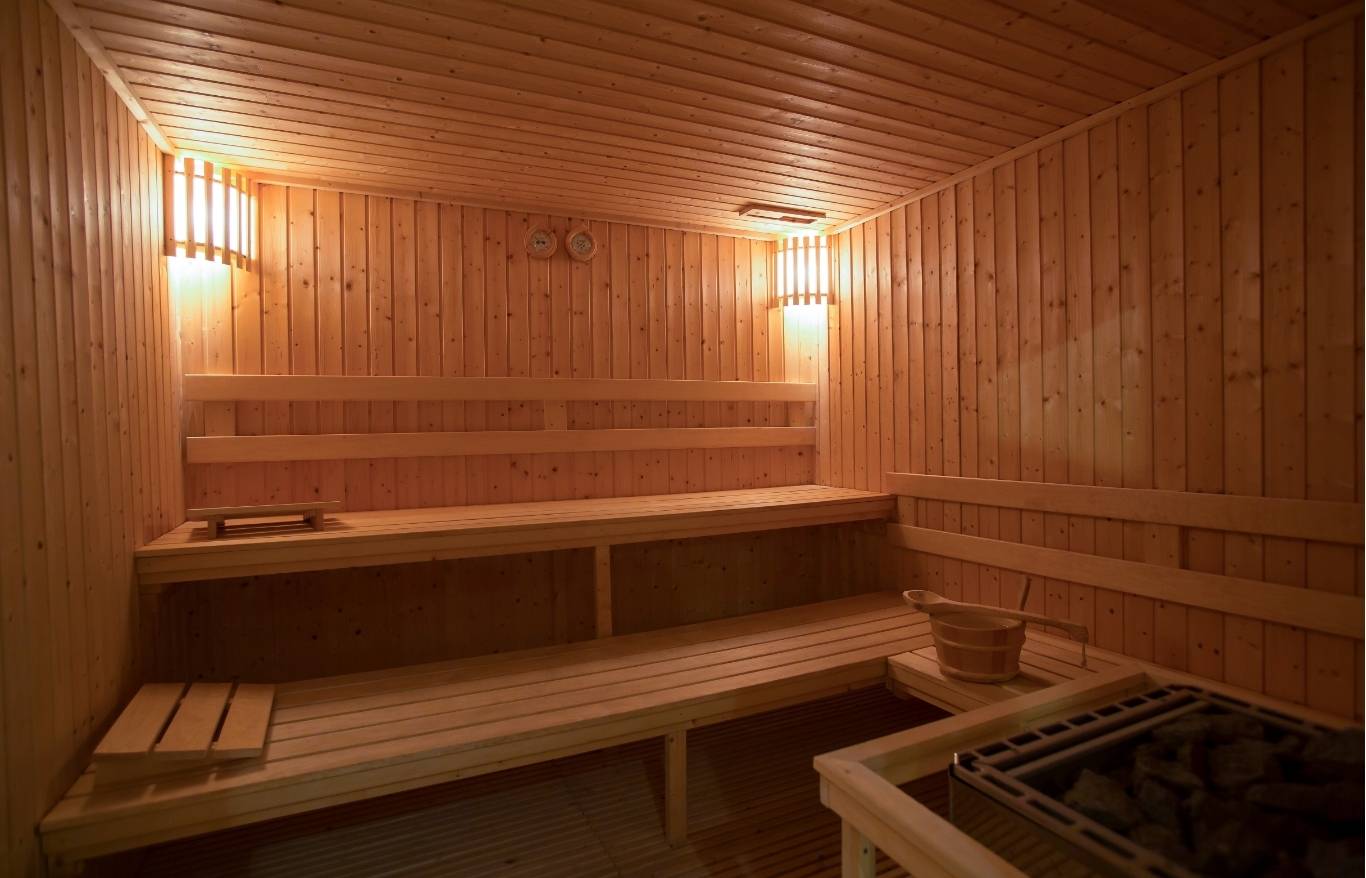
Ready to experience the transformative power of properly combined massage and sauna therapy? Explore HETKI Sauna’s customizable solutions and discover how authentic Finnish sauna design can support your personal wellness journey.
Final Thoughts
Look, combining massage and sauna isn’t rocket science, but it’s not as simple as most people think either. It’s about understanding that your body is doing some pretty sophisticated stuff during these treatments, and respecting that process instead of just trying to cram as much “wellness” as possible into your spa day.
I’ve learned that slowing down and paying attention to how these therapies actually work together opens up possibilities that neither massage nor sauna alone can provide. Whether you’re dealing with chronic pain, trying to recover from workouts, or just want to feel genuinely relaxed instead of spa-drunk, the principles I’ve shared can help you figure out what works for your unique situation.
The key is starting simple, listening to your body (yeah, I know, but it actually works), and adjusting based on what you learn about your personal patterns. Don’t worry if you mess this up at first – I definitely did. The good news is that even a mediocre massage-sauna combo still beats sitting on your couch scrolling through your phone. Start easy, pay attention to how you feel, and adjust from there. Your body will thank you, and you might just discover that wellness doesn’t have to be complicated to be effective.