
Look, I get it – most of us just hop in the sauna to relax and sweat a bit. Maybe you stay until you can’t take it anymore, thinking longer equals better results. I used to do the same thing until I realized there’s actually some really interesting research on how to get the most out of your sauna time.
Here’s the thing that blew my mind: when you sauna matters just as much as how long you stay in there. And those generic “15-20 minutes” recommendations? They’re missing about half the picture. Once I figured this out, my sauna game completely changed – better sleep, more energy, and I actually started looking forward to sessions instead of just enduring them.
Regular sauna use has been shown to reduce the risk of cardiovascular disease, with frequent sauna bathing associated with stroke risk reduction by 37-83 percent, depending on frequency. But here’s what nobody tells you: most people are leaving massive benefits on the table because they’re approaching their sessions without any real strategy.
Understanding the year-round wellness benefits of consistent sauna practice gives you the foundation to build a routine that actually works with your body instead of against it.
Table of Contents
-
The Real Science Behind Timing Your Heat Sessions
-
Morning vs. Evening: When Your Body Actually Wants Heat
-
Seasonal Strategies That Work With Your Biology
-
The Recovery Protocol Most People Skip
-
-
Why Your Immune System Needs Strategic Heat Stress
-
The 48-Hour Immunity Cycle You’ve Never Heard Of
-
Building Real Stress Resilience (Not Just Tolerance)
-
-
Metabolic Reprogramming Through Smart Heat Exposure
-
Mitochondrial Biogenesis: Creating Cellular Powerhouses
-
Hormonal Optimization That Goes Beyond Growth Hormone
-
-
Creating the Perfect Sauna Environment
-
Design Elements That Actually Matter for Your Nervous System
-
The Psychology of Heat: Mindset Protocols That Amplify Benefits
-
-
Getting Your Duration Right: Beyond the 15-Minute Myth
-
Progressive Protocols for Different Experience Levels
-
Using Biomarkers to Optimize Your Sessions
-
TL;DR
-
Your body’s internal clock creates huge differences in how you respond to heat – morning sessions boost energy while evening sessions (ending 90 minutes before bed) help you sleep like a baby
-
There’s a predictable 48-hour cycle after heat exposure where your immune system dips then bounces back stronger – time this wrong and you’ll get sick, time it right and you’ll be bulletproof
-
Going in fasted vs. after eating creates completely different results – fasted burns fat while fed helps build muscle
-
The 20 minutes after your sauna is when your brain is primed for learning new stuff – perfect time for meditation or picking up that language you’ve been putting off
-
Those standard 15-20 minute recommendations ignore where you’re actually at – beginners should start with 8-12 minutes while experienced users can handle more complex approaches
-
Your sauna environment (lighting, sounds, smells) actually changes your stress hormones and recovery – it’s not just about the heat
-
Doing specific breathing before you go in (4-7-8 pattern) helps you handle higher temperatures and get more relaxed faster
The Real Science Behind Timing Your Heat Sessions
Here’s what I wish someone had told me when I started: timing matters way more than I thought. Most of us obsess over how hot it should be and how long to stay, but completely ignore the most important factor – when you actually go in.
Your body temperature naturally swings 1-2 degrees throughout the day, and this seemingly tiny change creates massive differences in how heat affects you. Get this right and you can boost energy, improve sleep, and enhance recovery. Get it wrong and you’ll wonder why your friend swears by saunas while they leave you feeling blah.
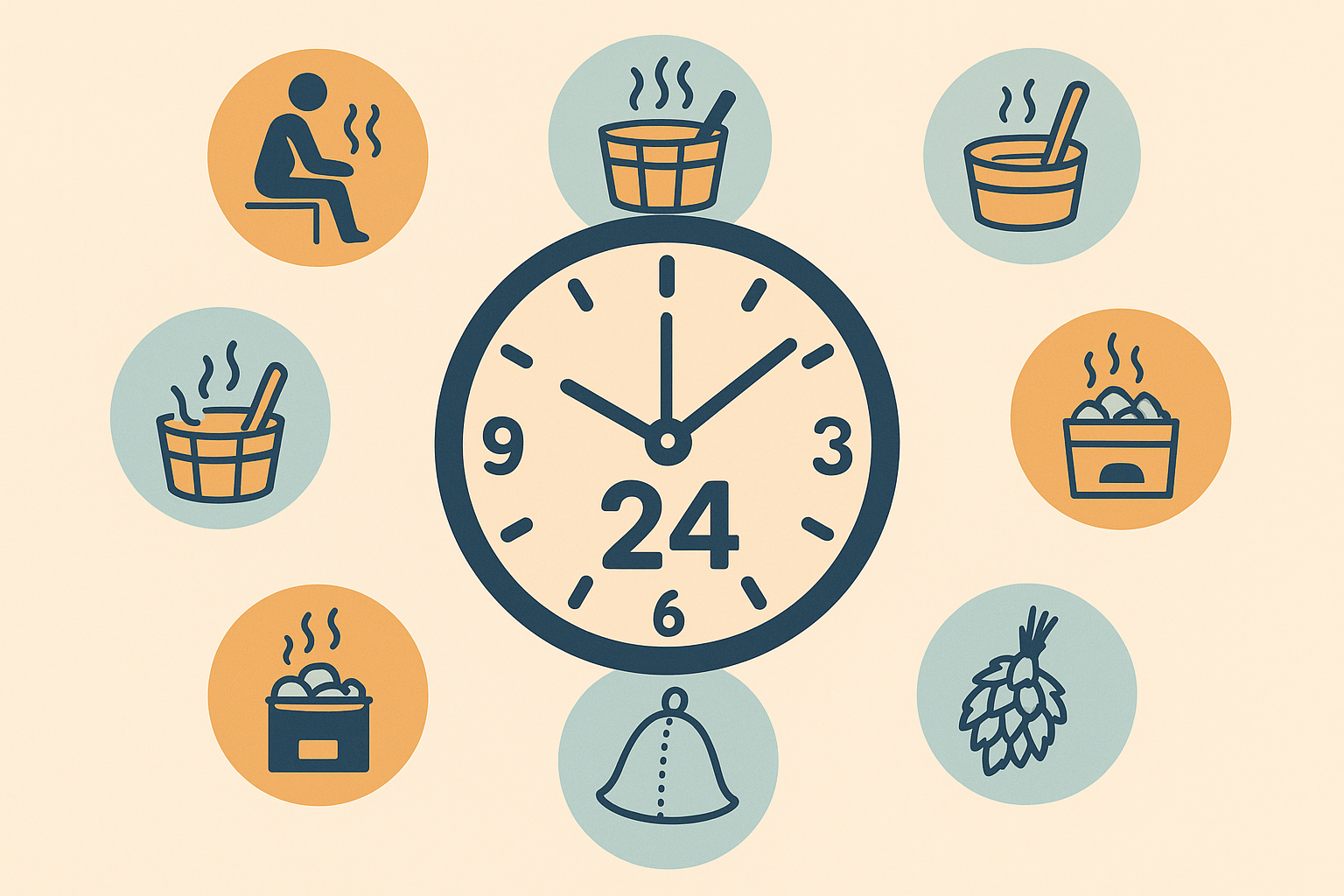
Morning vs. Evening: When Your Body Actually Wants Heat
Ever wonder why sometimes you feel amazing after a sauna session and other times you just feel… meh? It’s probably about timing, not what you did in there.
Your core body temperature is lowest first thing in the morning and highest in early evening. This creates natural “heat windows” where your body is primed to get the most benefit from thermal stress.
|
Time Window |
Core Body Temperature |
Optimal Session Type |
Primary Benefits |
|---|---|---|---|
|
5-7 AM |
Lowest (97.5-98°F) |
15-20 min at 160-170°F |
Enhanced alertness, cortisol optimization |
|
2-4 PM |
Natural dip (98.2°F) |
12-15 min at 170-180°F |
Circadian reset, afternoon energy boost |
|
6-8 PM |
Peak (99-99.5°F) |
10-12 min at 175-185°F |
Sleep preparation, temperature drop priming |
Early Morning Sessions (5-7 AM)
I know, I know – getting up even earlier for a sauna sounds terrible. But hear me out. Morning sessions between 5-7 AM work with your naturally low body temperature to create controlled stress that boosts alertness without messing up your sleep later.
During this window, heat feels more intense because your body temp is at rock bottom, so you actually need less heat to trigger all those beneficial changes. Plus, you avoid the common mistake of evening sessions that leave you wired when you should be winding down.
NFL quarterback Josh Allen gets this. “I just got an infrared sauna, and it’s got some red light as well. Me and my wife have been doing that almost daily,” Allen tells GQ. His focus on daily consistency and sleep optimization shows how pro athletes use heat therapy strategically, not randomly.
I’ve found that morning sessions give me sustained energy that carries through the entire day without that 3 PM crash that comes from relying on caffeine.
Afternoon Reset (2-4 PM)
That natural energy dip between 2-4 PM? Instead of reaching for another coffee, try a quick sauna session. This timing can reset your internal clock and is especially helpful if you’re dealing with jet lag or work weird hours.
The heat during your natural low-energy period creates a controlled stressor that enhances afternoon alertness and helps maintain consistent sleep-wake cycles. I’ve noticed this works way better than caffeine for that afternoon slump.
Evening Sleep Prep (90 Minutes Before Bed)
This one’s crucial – your evening session must end exactly 90 minutes before you want to sleep. This gives your core body temperature time to drop naturally, which signals your brain to start producing melatonin.
Too close to bedtime and you’ll be staring at the ceiling. Too early and you miss that optimal temperature drop that makes you sleepy. When people ask how long should you stay in a sauna for sleep benefits, the answer is less about duration and more about this timing window.
Research from the University of Eastern Finland found that those who used a sauna 4-7 times a week had a 66% lower risk for dementia and a 65% lower risk for Alzheimer’s disease, showing that consistent, properly timed heat exposure has serious long-term brain benefits.
Seasonal Strategies That Work With Your Biology
Here’s something most people never think about: your heat tolerance changes dramatically with the seasons. Using the same routine year-round is like wearing the same clothes in summer and winter – it doesn’t make sense.
Your body produces different amounts of heat shock proteins (think of them as your cellular repair crew) depending on the season. Winter sessions should focus on combating those seasonal blues and keeping your metabolism humming, while summer protocols need to prevent your body from getting too comfortable with heat.

Winter: Combat the Blues
During cold months, go for longer, moderate-heat sessions (160-170°F for 20-25 minutes). Your body naturally wants to conserve energy and gets lazy about producing those helpful heat shock proteins, so consistent thermal stress becomes crucial for preventing that winter sluggishness.
The longer duration compensates for your reduced seasonal heat sensitivity while boosting mood through increased endorphin production. The mood-enhancing effects of regular heat exposure become especially important during those dark winter months when everything feels harder.
Summer: Prevent Adaptation Plateau
Hot weather requires a different approach – shorter, higher-intensity sessions (180-190°F for 12-15 minutes) followed by cold exposure. Your body becomes naturally heat-adapted during summer, so you need more intense thermal stress to trigger beneficial responses.
The key is combining high-heat sessions with immediate cold exposure (cold shower or plunge) to maintain that stress-recovery cycle that drives adaptation. I learned this the hard way – summer sauna sessions that felt challenging in January become way too easy by July without adjusting the protocol.
The Recovery Protocol Most People Skip
Look, this might sound nerdy, but what you do before, between, and after your sauna rounds can make or break your results. Most people just show up, sit in the heat, and leave. They’re missing out on compound benefits that can exceed what heat alone provides.
Pre-Sauna Nervous System Prep
Starting with 3-5 minutes of controlled breathing using the 4-7-8 pattern (inhale for 4, hold for 7, exhale for 8) shifts your nervous system from fight-or-flight mode to rest-and-digest mode. This lets the heat penetrate deeper and reduces the stress response that can mess with your recovery benefits.
The breathing also helps you tolerate higher temperatures for longer while staying in a meditative state instead of white-knuckling through the discomfort.
Pre-Sauna Checklist:
-
☐ Drink 16-20oz of water 30 minutes beforehand
-
☐ Do 3-5 minutes of 4-7-8 breathing
-
☐ Set a clear intention for your session
-
☐ Remove jewelry and metal accessories
-
☐ Prep your post-session electrolytes
-
☐ Set your timer
-
☐ Make sure towels and cooling stuff are ready
Between Rounds: Get Your Minerals Right
Here’s where I messed up for months: I was either drinking way too much water (which dilutes essential minerals) or too little (which compromises how your cells function during heat stress).
The sweet spot is small sips of electrolyte solution between rounds, focusing on replacing sodium and potassium rather than just chugging water. A pinch of high-quality sea salt in water works better than most sports drinks, which are loaded with unnecessary sugars and artificial junk.
Post-Sauna: The Learning Window
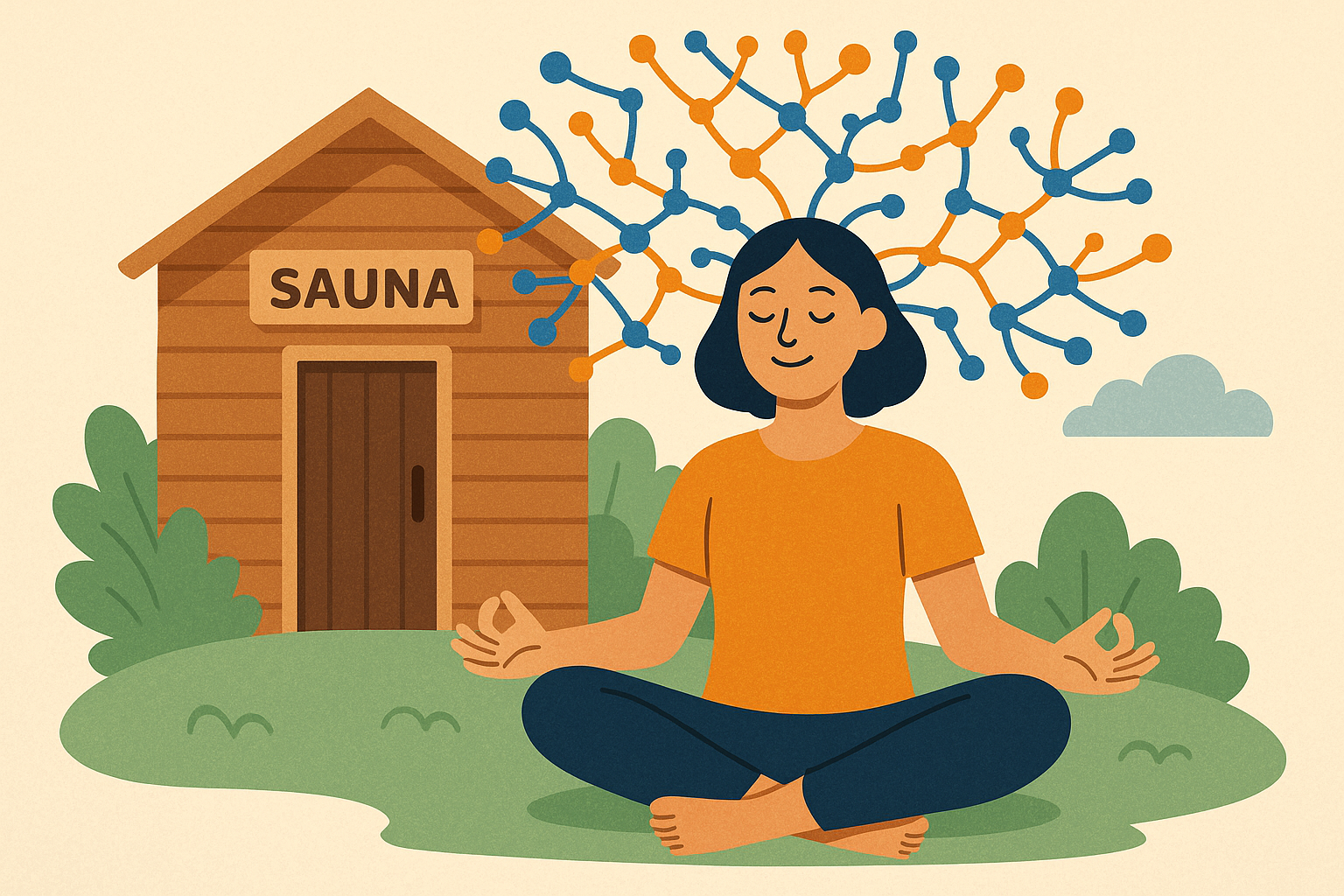
The 20 minutes after you exit the sauna is when your brain produces peak levels of BDNF (brain-derived neurotrophic factor) – basically, your brain is primed for forming new connections and remembering stuff better.
I started using this time for reading challenging material or practicing new skills, and the retention rate is noticeably higher than regular study sessions. It’s perfect for meditation, language learning, or any mental activity you want to supercharge.
Why Your Immune System Needs Strategic Heat Stress
Beyond just feeling relaxed, sauna sessions create measurable changes in your immune function – but only if you time them right. Here’s something that caught me off guard: your immune system responds to heat in predictable patterns that you can actually use to your advantage.
The catch? Poor timing can temporarily weaken your defenses, while strategic timing can make you more resistant to getting sick. Understanding this pattern has completely changed how I schedule sessions around travel, high-stress periods, and cold season.
The 48-Hour Immunity Cycle You’ve Never Heard Of
Here’s the deal: sauna sessions initially suppress certain immune markers for 24-48 hours, then trigger a rebound effect that leaves you more resistant to pathogens than before you started. It’s like your immune system doing push-ups – temporary stress followed by getting stronger.
This means if you’re about to travel, deal with high stress, or know you’ll be around sick people, you need to time your sessions carefully. Hit the suppression phase at the wrong time and you’ll get sick. Hit the rebound phase and you’ll be bulletproof.
I learned this lesson the hard way when I got sick after a sauna session the day before a long flight. Now I time my sessions so the supercompensation phase kicks in during high-risk periods.
Professional athletes get this timing. As Hotworx manager Julia Rose explains, “We definitely have a great crew” working out in 120-125 degree infrared saunas at their Little Rock locations. These facilities schedule sessions to optimize recovery between training blocks, avoiding immune suppression during competition periods.
Pre-Winter Immune Priming
Starting a consistent sauna routine 4-6 weeks before cold season allows your immune system to build cellular defenses that protect you when you need it most. The heat shock proteins produced during regular sauna use don’t just protect against heat stress – they also boost your resistance to viral infections.
Studies show that research suggests aiming for four to seven 20-minute sessions per week in a sauna heated to around 80° to 100° Celsius offers the most health benefits, with this frequency providing optimal immune conditioning without overdoing it.
Building Real Stress Resilience (Not Just Tolerance)
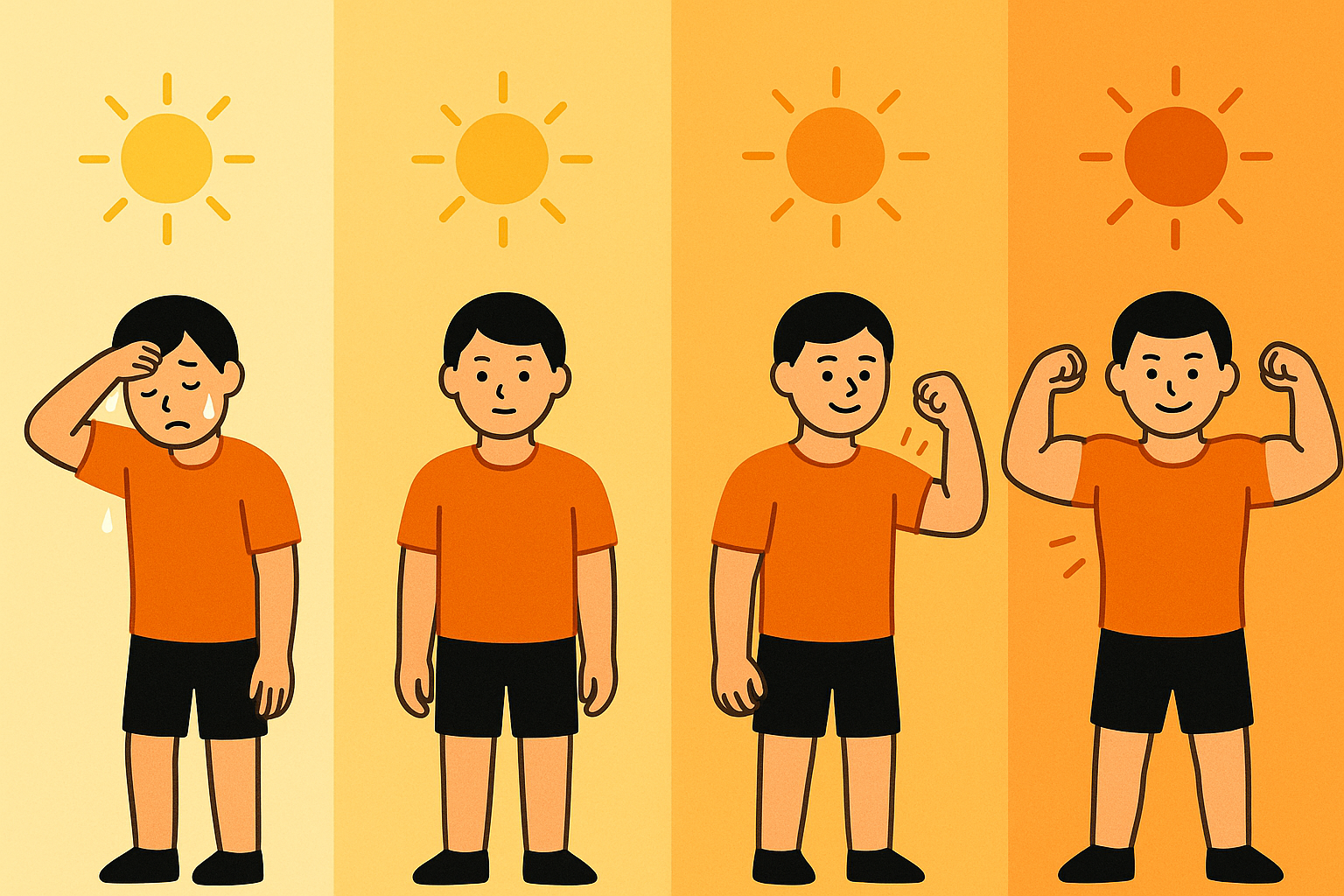
There’s a difference between being able to tolerate discomfort and actually building resilience to stress. Regular heat exposure can create psychological toughness through controlled stress adaptation, but the way you structure and approach your sessions determines whether you build anti-fragility or just create more chronic stress.
The Gradual Challenge Method
Progressive heat exposure following specific temperature and time increases builds stress tolerance without shocking your system into trauma responses. This means gradually increasing either temperature or duration (never both at once) while maintaining control over your breathing and mental state.
The goal is systematically expanding your comfort zone rather than traumatizing yourself with extreme heat. People who jump into intense protocols too quickly often develop negative associations that limit their long-term benefits.
Mental Training Under Heat
Performing specific mental tasks during sauna sessions enhances your ability to think clearly under pressure in real-life situations. Simple activities like mental math, memory exercises, or focused breathing while managing heat stress trains your brain to maintain performance when stressed.
This cross-training effect improves your ability to handle everything from work presentations to emergency situations. Start with simple tasks and gradually increase complexity as your heat tolerance improves.
Metabolic Reprogramming Through Smart Heat Exposure
Here’s where things get really interesting: sauna sessions can fundamentally change how your body processes energy, burns fat, and produces cellular power when you approach them strategically instead of randomly. The key is understanding that different timing, nutritional states, and temperature protocols target completely different metabolic pathways.
This transforms your sauna from a passive relaxation tool into an active system for optimizing how your body functions. The sauna benefits go way beyond just feeling relaxed when you understand how to work with these metabolic variables.
Mitochondrial Biogenesis: Creating Cellular Powerhouses
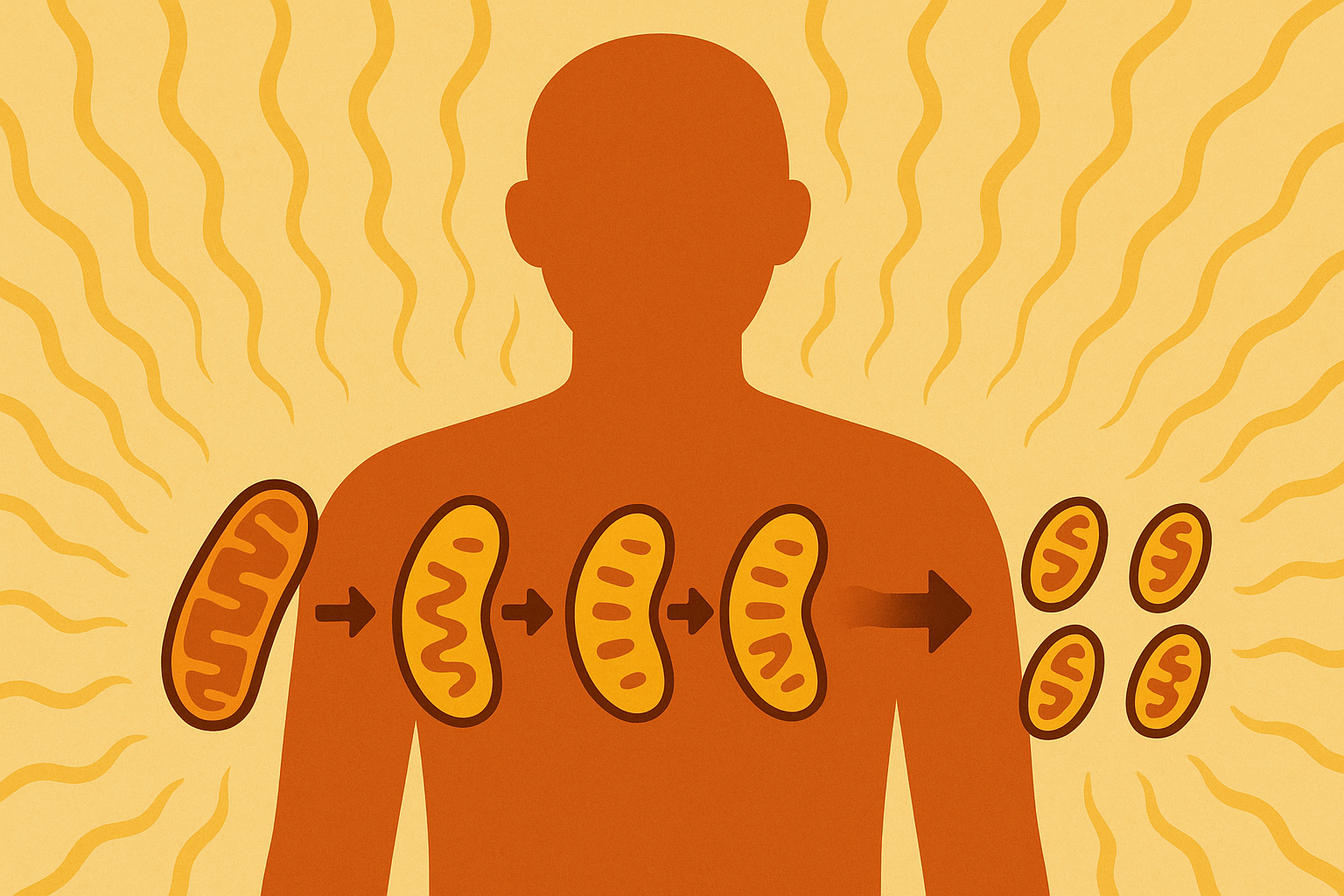
Heat shock activates pathways that create new mitochondria – basically, your cells start making more of their tiny power plants. But the timing and intensity determine how much of this cellular renovation actually happens. This represents one of the most powerful anti-aging benefits of regular sauna use, but most people never optimize the conditions needed to maximize it.
Fasted vs. Fed Sessions: Completely Different Results
Going into the sauna in different nutritional states creates distinct adaptations. Fasted sessions (12+ hours without food) force your body to rely on fat stores for energy while managing heat stress, training your metabolic flexibility and enhancing fat-burning capacity.
Fed sessions (within 2-3 hours of eating) provide the amino acids needed for heat shock protein synthesis and muscle recovery.
|
Nutritional State |
Timing |
Temperature/Duration |
Primary Metabolic Effect |
Best For |
|---|---|---|---|---|
|
Fasted (12+ hours) |
Morning |
165°F / 20-25 min |
Enhanced fat oxidation, autophagy |
Weight loss, metabolic flexibility |
|
Fed (2-3 hours post-meal) |
Post-workout |
175°F / 15-20 min |
Protein synthesis, recovery |
Muscle building, performance |
|
Semi-fasted (4-6 hours) |
Afternoon |
170°F / 18-22 min |
Balanced adaptation |
General health, maintenance |
Temperature-Time Combinations for Different Goals
Specific combinations of temperature and duration target different cellular pathways. Moderate temperatures (160-170°F) for longer durations (20-25 minutes) primarily activate autophagy – basically your cellular cleanup crew getting to work.
Higher temperatures (180-190°F) for shorter durations (12-15 minutes) focus on heat shock protein production and acute stress adaptation. Understanding these distinctions lets you customize sessions based on whether you want cellular cleanup or stress adaptation as your primary goal.
Hormonal Optimization That Goes Beyond Growth Hormone
While growth hormone release gets most of the attention, sauna routines also influence thyroid function, insulin sensitivity, and stress hormone patterns in ways that can be optimized for specific health goals. The key is understanding that your endocrine system responds to heat in predictable patterns.
Growth Hormone Release Windows
Multiple sauna rounds with specific rest intervals can increase growth hormone release by 16-fold, but only when you maintain proper hydration and mineral balance. The protocol involves 2-3 rounds of 15-20 minutes at 180°F with 5-10 minute cooling periods between rounds.
The key is maintaining adequate sodium levels (not over-hydrating with plain water) and timing sessions during natural growth hormone release windows (early morning or evening). I’ve tracked my own markers and found that the multi-round approach produces significantly better results than single extended sessions.
Thyroid Function Enhancement
Regular heat exposure can boost thyroid function by improving cellular sensitivity to thyroid hormones and supporting the conversion of T4 to the active T3 form. However, this benefit requires sufficient mineral cofactors – particularly iodine and selenium – to prevent the production of reverse T3 that blocks thyroid function.
Insulin Sensitivity Windows
The heat stress response temporarily improves insulin sensitivity for 24-48 hours, making the post-sauna period ideal for consuming carbohydrates that will be efficiently utilized rather than stored as fat. This window can be leveraged for strategic carb timing or around training sessions for enhanced recovery.
Commerce editor Carleigh Ferrante’s experience with the Bon Charge Infrared Sauna Blanket shows these benefits in action. “My Oura Ring consistently shows that even a single session spikes my HRV, lowers my resting heart rate, and improves my sleep quality,” she reports after two years of consistent use, demonstrating how proper protocols create measurable improvements.
Creating the Perfect Sauna Environment
Here’s what most people completely overlook: your visual, auditory, and smell environment can either enhance or totally negate the benefits you’re trying to get. Your nervous system responds to way more than just heat – lighting, sounds, and scents create measurable differences in stress hormone release and how well you recover.
Understanding these factors lets you design a sauna space that amplifies the therapeutic benefits instead of working against them.
Creating a dedicated wellness space requires understanding why a quality sauna installation transforms your home into a personal sanctuary that supports consistent practice.
Design Elements That Actually Matter for Your Nervous System
Most people focus entirely on temperature and humidity while ignoring the sensory inputs that can either enhance relaxation or create subtle stress responses that interfere with recovery benefits. These details might seem minor, but they create measurable differences in how your body responds.
Lighting That Works With Your Biology
Full-spectrum lighting or natural light during sauna sessions enhances circadian rhythm entrainment and vitamin D receptor sensitivity. Harsh artificial lighting can trigger stress responses that counteract the relaxation benefits you’re trying to achieve.
Natural light or warm-spectrum LED lighting (2700K-3000K) supports the parasympathetic activation needed for optimal recovery and hormone production. I’ve noticed a significant difference in how relaxed I feel during sessions with proper lighting versus harsh fluorescent bulbs.
Sound Environment
Specific sound frequencies (40-60 Hz) during sauna sessions can enhance the meditative state and reduce how stressful the heat feels. Low-frequency sounds in this range promote alpha brain wave states associated with relaxation and stress reduction.
This can be achieved through nature sounds, specific music frequencies, or even the natural acoustic properties of wood construction that dampens harsh frequencies.
Strategic Aromatherapy
Certain essential oils like eucalyptus, pine, or birch can withstand sauna temperatures while providing respiratory benefits and creating positive associations with the heat therapy experience. The key is using oils that complement rather than overwhelm the natural wood aromatics.
Just don’t go overboard – subtle is better than overwhelming.
The Psychology of Heat: Mindset Protocols That Amplify Benefits
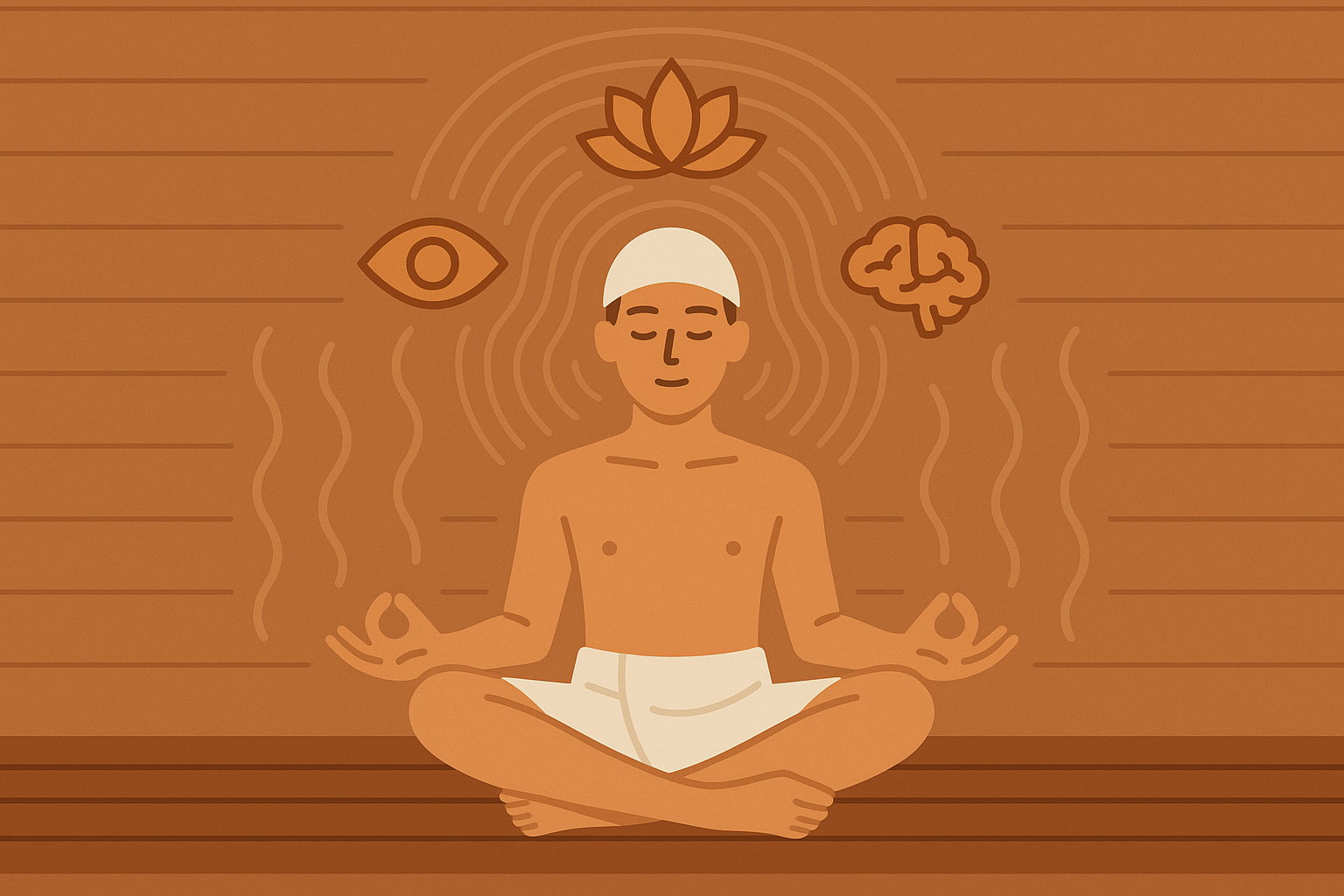
Your mental approach to heat stress can either amplify the beneficial adaptations or create resistance that limits the therapeutic effects. The psychological preparation and mindset during sessions significantly impact physiological outcomes through mind-body pathways.
Developing specific mental protocols transforms discomfort into a tool for building psychological resilience.
Setting Clear Intentions
Taking 2-3 minutes to set clear intentions before your session – whether for recovery, stress relief, or mental clarity – primes your nervous system for the desired outcomes. This practice also helps reframe the heat discomfort as purposeful challenge rather than something to just endure.
Simple Intention Setting:
-
Physical Goal: What do I want my body to experience? (recovery, detox, circulation)
-
Mental Goal: How do I want to feel mentally? (calm, focused, energized)
-
Emotional Goal: What emotional state am I cultivating? (peace, confidence, resilience)
-
Session Mantra: One word or phrase to return to during challenging moments
Mindful Heat Awareness
Instead of distracting yourself from the heat, learning to observe the sensations with curiosity builds your ability to remain calm under stress. This skill transfers to daily life situations where you need to maintain composure under pressure.
I’ve found that people who practice mindful heat awareness develop better emotional regulation in stressful work situations and personal conflicts.
Getting Your Duration Right: Beyond the 15-Minute Myth
Those standard “15-20 minutes” recommendations ignore where you’re actually at in terms of heat adaptation, body composition, and specific goals. Optimal sauna duration is something that should evolve with your conditioning level, daily stress load, and recovery capacity.
Most people either under-dose (missing benefits) or over-dose (creating excessive stress) because they follow generic recommendations instead of listening to their body’s actual signals. The benefits of a sauna session depend way more on your individual response than arbitrary time limits.
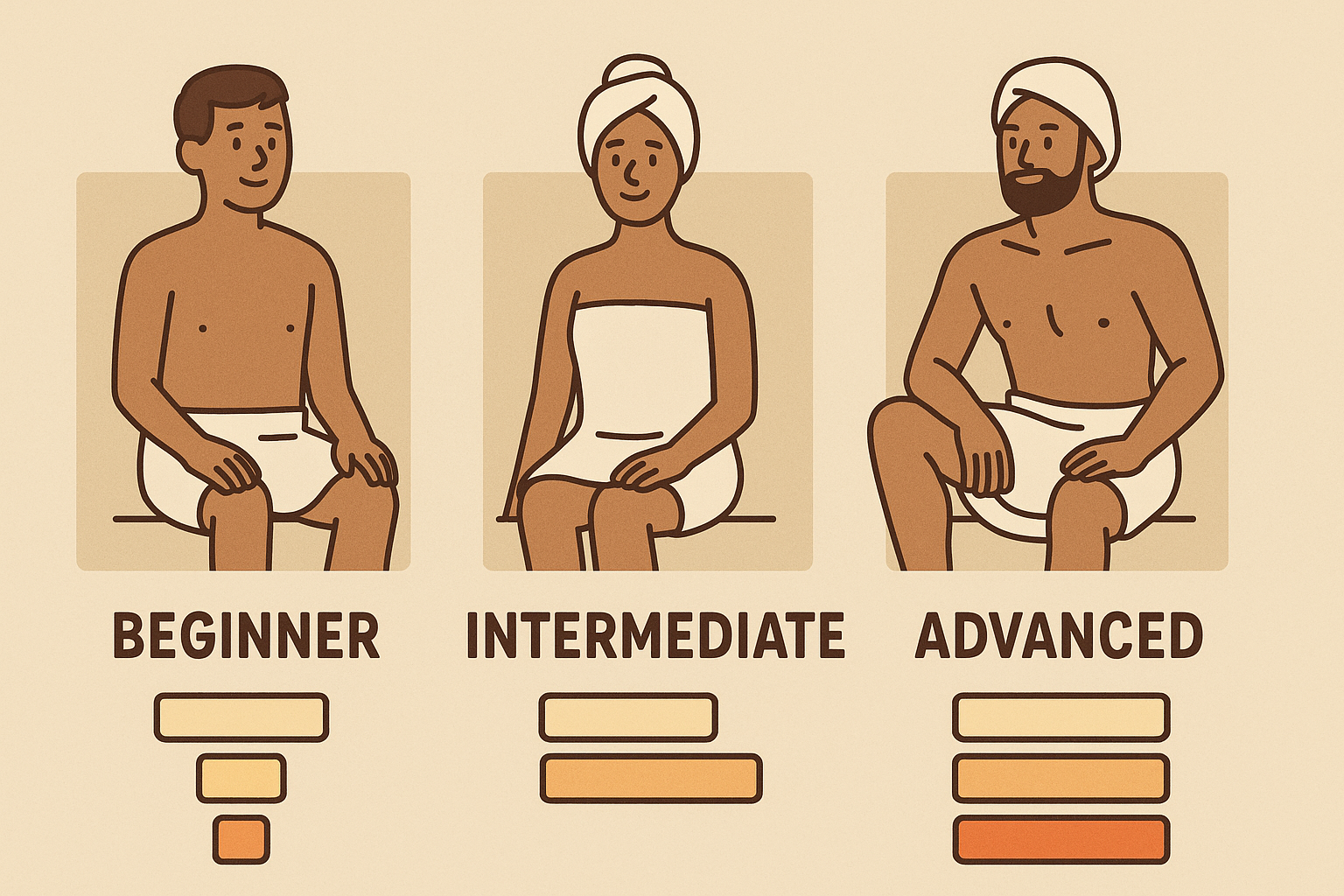
Progressive Protocols for Different Experience Levels
Your sauna tolerance should follow systematic progression patterns that build heat shock protein reserves while avoiding overwhelming your recovery systems. Jumping into advanced protocols too quickly can create negative associations with heat therapy and actually set you back.
The key is progressing methodically through distinct phases that allow your body to adapt at the cellular level.
Beginner Heat Conditioning (Weeks 1-4)
Start with 8-12 minute sessions at 160°F, focusing on breath control and body awareness rather than trying to be tough. Take mandatory 24-48 hour recovery periods between sessions. During this phase, your body is learning to produce heat shock proteins and adapt to thermal stress.
Pushing duration or temperature too aggressively can trigger excessive cortisol release that interferes with adaptation. The goal is building positive associations with heat while allowing cellular adaptations to develop.
Beginner Checklist:
-
☐ Sessions limited to 8-12 minutes maximum
-
☐ Temperature kept at 160°F or lower
-
☐ 24-48 hours between sessions
-
☐ Focus on controlled breathing throughout
-
☐ Exit immediately if feeling dizzy or nauseous
-
☐ Track subjective comfort level (1-10 scale)
-
☐ Prioritize consistency over intensity
Intermediate Phase (Weeks 5-12)
Progress to 15-20 minutes at 170-180°F with single cooldown breaks, monitoring how you feel over the following 24-48 hours. This phase focuses on building heat tolerance while maintaining recovery capacity.
You can start experimenting with multiple rounds (2-3 sessions with 5-10 minute breaks) while paying attention to how your body responds the next day or two.
Advanced Heat Mastery (3+ Months)
Implement variable duration protocols (10-30 minutes) based on daily stress load, sleep quality, and training status, using subjective heat tolerance as your primary guide. Advanced practitioners learn to adjust sessions based on daily readiness rather than following rigid protocols.
High-stress days might call for shorter, gentler sessions while low-stress periods allow for longer, more intense heat exposure.
Understanding the differences between traditional Finnish dry sauna practices helps you appreciate how authentic construction supports these progressive training protocols.
Using Biomarkers to Optimize Your Sessions
Technology now allows us to monitor physiological responses in real-time, taking the guesswork out of optimal sauna duration. These objective measures provide feedback that prevents both under-training and overreaching.
Heart Rate Variability Integration
Morning HRV readings determine daily heat stress capacity, with lower HRV indicating need for shorter, gentler sessions to avoid overwhelming recovery systems. HRV reflects your autonomic nervous system’s readiness to handle stress.
Low H RV days (indicating high stress or poor recovery) require modified protocols – perhaps 10-12 minutes at lower temperatures instead of your usual routine.
Core Temperature Monitoring
Wearable temperature sensors can identify the optimal exit point when core temperature reaches 101-102°F, the sweet spot for heat shock protein activation without excessive stress. This objective measure removes guesswork and prevents the common mistake of staying too long “because the timer says so.”
Once you hit this temperature range, you’ve triggered the beneficial adaptations regardless of how long it took to get there.
Simple Biomarker Tracking:
-
Morning HRV Reading: _____ (Baseline: _____)
-
Resting Heart Rate: _____ (Baseline: _____)
-
Sleep Score: _____ (Previous night)
-
Stress Level (1-10): _____
-
Recommended Protocol: Temperature _____ Duration _____
-
Post-Session HRV: _____ (24h later)
-
Recovery Quality: _____ (1-10 scale)
How HETKI Sauna Transforms Your Heat Therapy Practice
The authentic Finnish craftsmanship of HETKI Sauna provides the ideal foundation for implementing these advanced protocols. Unlike mass-produced alternatives, HETKI’s log construction creates the stable, even heat distribution essential for consistent physiological adaptations.
The natural wood materials support optimal humidity levels and air quality, while the traditional design honors the sacred space concept that enhances the psychological benefits of your practice. Their customizable approach allows you to integrate the biophilic design elements we discussed, from natural lighting considerations to acoustic optimization.
Whether you choose electrically heated models for convenience or wood-heated options for traditional authenticity, HETKI provides the foundation for implementing these science-backed protocols.
Ready to elevate your sauna routine beyond basic heat exposure? HETKI’s AI-powered Sauna Aatos can help you fine-tune your protocols based on your specific goals, whether you’re focusing on metabolic enhancement, immune optimization, or stress resilience. Most importantly, HETKI understands that a sauna isn’t just equipment—it’s a tool for transformation.

Final Thoughts
Look, your sauna routine is way more than just a relaxing heat session – it’s actually a sophisticated tool for optimizing your physiology, psychology, and overall resilience. The difference between random heat exposure and strategic sauna protocols can mean the difference between modest relaxation benefits and profound improvements in sleep, stress management, immune function, and metabolic health.
The key is understanding that timing, duration, environment, and mindset all work together to create compound benefits that go way beyond what any single factor can achieve alone.
I’ve spent years experimenting with different approaches, and the biggest breakthrough came when I stopped treating my sauna routine like a spa amenity and started approaching it as a precision wellness tool. The protocols I’ve shared here aren’t just theoretical – they’re based on measurable physiological responses that you can track and optimize over time.
Remember that consistency beats intensity when building heat adaptation. It’s better to maintain a moderate routine you can actually stick with long-term than to burn out on an aggressive protocol that leaves you dreading your sessions. Your sauna practice should enhance your life, not become another source of stress.
Start with the basics – proper timing, progressive duration increases, and mindful heat awareness – then gradually layer in the more advanced protocols as your body adapts. Pay attention to how you feel not just during sessions, but in the hours and days afterward. That’s where the real magic happens.
Don’t try to implement everything at once – pick one thing and stick with it for a few weeks. Take what works for you and leave the rest. This isn’t a rigid prescription, and the best sauna routine is the one you’ll actually do consistently.