I’ve been in enough awkward sauna situations to know that what to wear in a sauna can make or break your entire experience. Picture this: I walked into my first German sauna wearing a swimsuit and flip-flops. The attendant’s horrified expression told me everything I needed to know about how badly I’d messed up.
After years of figuring this stuff out the hard way, I’ve learned that sauna clothing goes way deeper than just throwing on whatever feels comfortable. Your choices totally change everything from your safety to how others see you – and trust me, nobody wants to be that person who shows up dressed wrong.
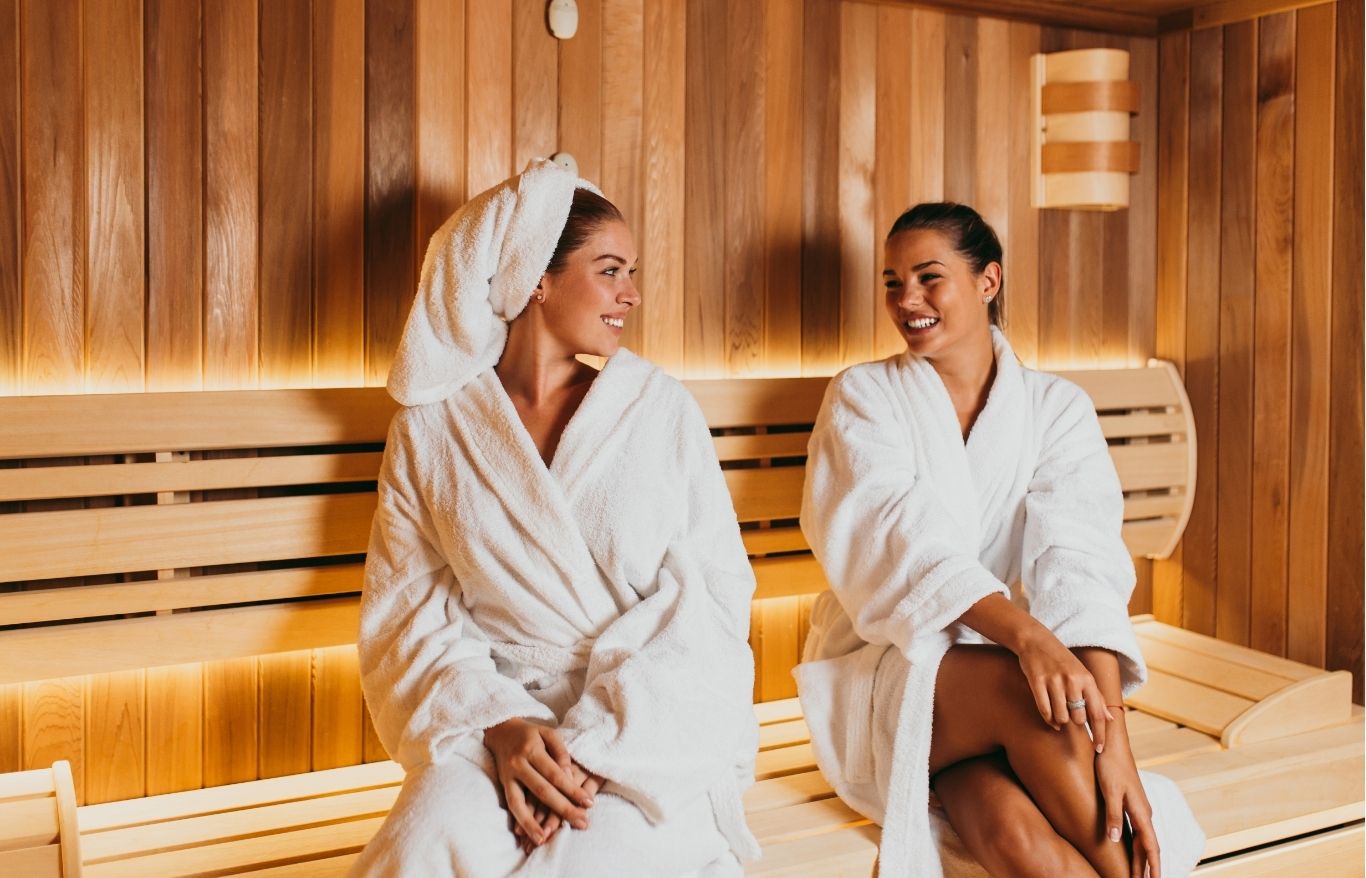
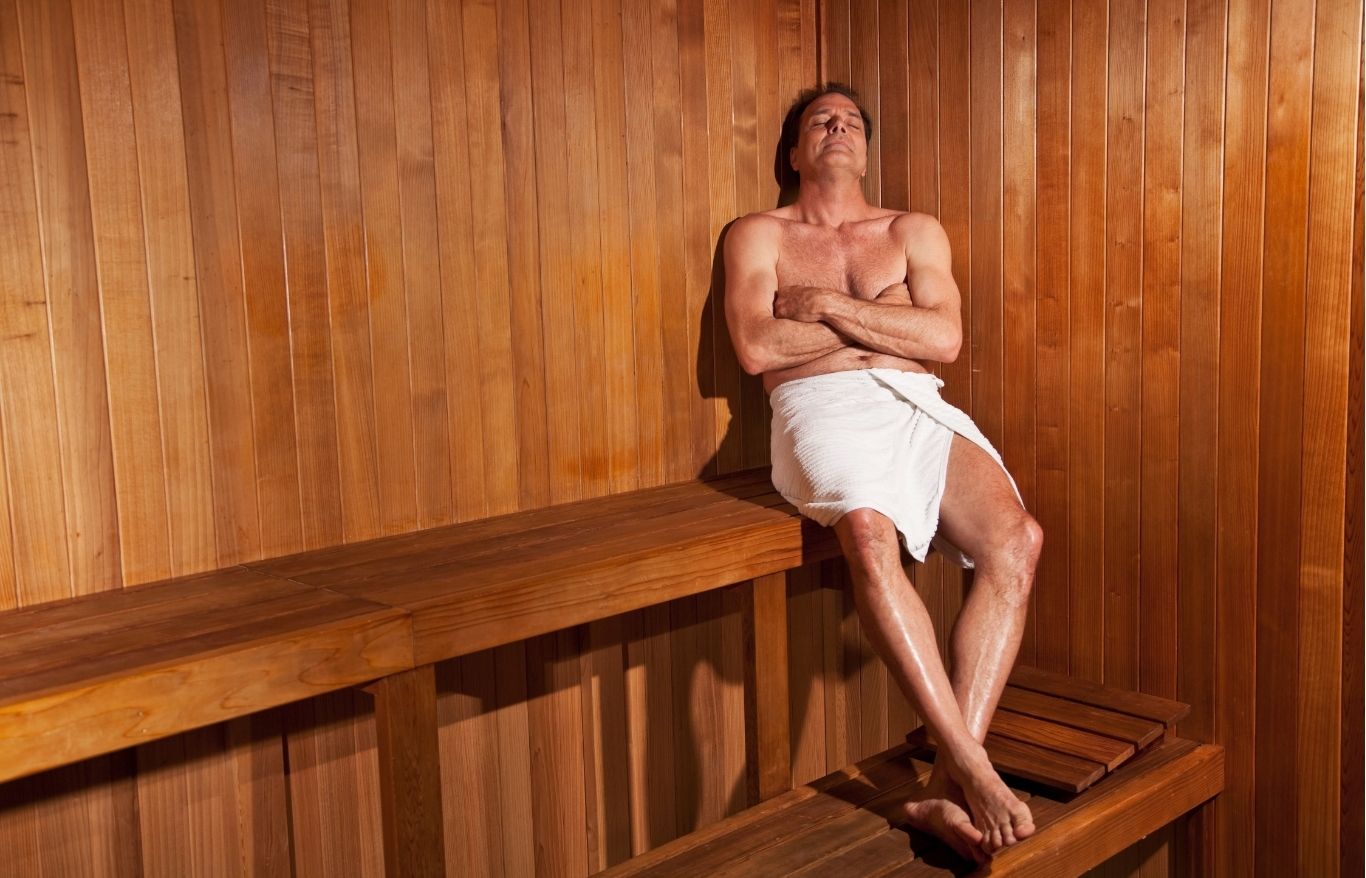
In most public saunas, different saunas have different dress codes, varying depending on the country or culture. For instance, in European countries like Germany, Austria, and Finland, nudity is the norm in saunas. In the United States, however, many saunas require that you wear a bathing suit or towel according to My Sauna World. Learning these differences the easy way (instead of through embarrassing mistakes like mine) will save you a lot of awkward moments.
Table of Contents
- Let’s Talk About Sauna Culture and Getting Naked (Or Not)
- The Fabric Thing – What Actually Matters in Crazy Heat
- Don’t Be That Person: Public Sauna Dos and Don’ts
- Getting Smart About Different Types of Sauna Sessions
- The Accessories That Actually Help (And the Ones That Don’t)
- Final Thoughts
TL;DR
- Traditional Finnish saunas are all about minimal clothing (or none at all) – it’s not weird, it’s practical
- Natural fabrics are your best friends – anything synthetic can literally melt on you (learned this the hard way)
- Every place has different rules, so just ask before you strip down
- Match what you wear to how hot it’s going to be and how long you’re staying
- Bring a towel – seriously, always bring a towel
- Those funny-looking sauna hats? They actually work
- When in doubt, follow what the locals do and you’ll be fine
Let’s Talk About Sauna Culture and Getting Naked (Or Not)
Here’s the thing about sauna clothing – it carries centuries of wisdom that goes way beyond just staying comfortable. I’ve learned that understanding these traditions helps you make smart choices about what to wear in a sauna while not accidentally offending anyone or looking like a total newbie.
Different cultures approach sauna clothes in totally different ways, from the Finnish “less is more” philosophy to modern adaptations that work for people who aren’t ready to bare it all. These traditions aren’t just random rules – they’re actually the blueprint for making respectful choices anywhere you go.
The Finnish Way: Where It All Started
Finnish sauna culture is basically the gold standard for how to do saunas right, and they’re all about natural materials and keeping clothing to a minimum. This isn’t just some weird tradition – it actually works better for absorbing heat and creates this sense of equality where everyone’s just human.
Understanding the deep roots of Finnish sauna culture helps explain why these clothing choices have been tested by literally generations of people who know what they’re doing.
Why Finns Often Go Completely Naked
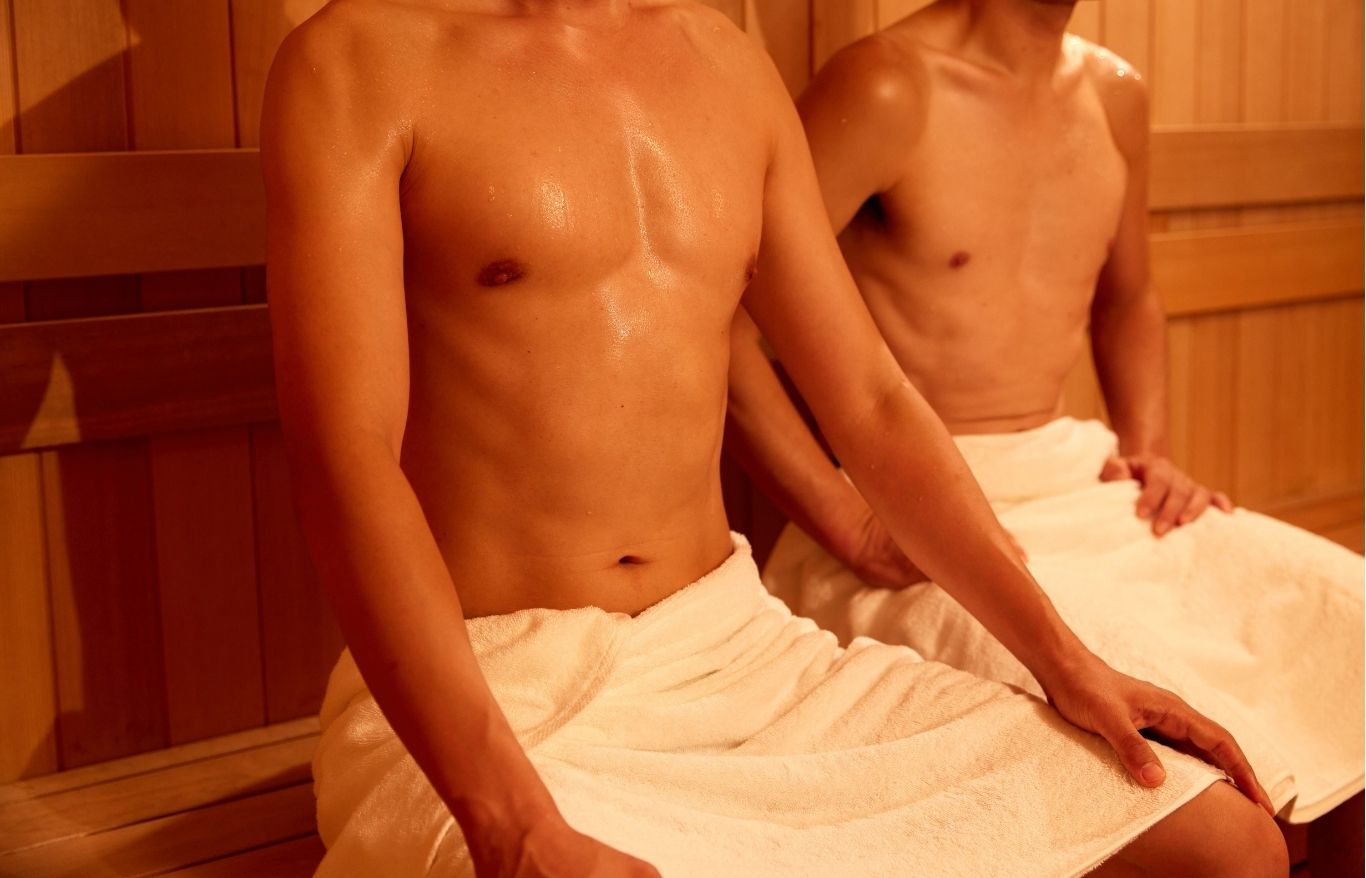
Complete nudity in traditional Finnish saunas isn’t about being scandalous – it’s about purity, equality, and letting your body actually absorb the heat properly. When everyone’s in the same boat, social barriers just disappear, plus your sweat can evaporate the way it’s supposed to.
The numbers tell you how serious Finns are about their saunas. According to Routes North, there are 3.3 million saunas in Finland in a country of 5.5 million people. That’s almost one sauna for every two people! When a culture is that committed to something, they probably know what they’re talking about.
Natural Fabrics: Your Heat-Friendly Options
When you do need to wear something, natural fibers are the way to go, and I’ve tested this stuff in different sauna conditions. The results are pretty consistent every time.
Linen is your best friend in a hot sauna – it handles moisture like a champ and doesn’t get weird in high heat. Cotton works fine too, especially if you’re just starting out. Hemp sounds weird but actually works great. Bamboo is nice if you have sensitive skin.
Here’s what I’ve learned the hard way:
| Natural Fabric | How It Handles Heat | Sweat Situation | When to Use It |
|---|---|---|---|
| Linen | Amazing | Wicks sweat like crazy | Really hot sessions |
| Cotton | Pretty good | Soaks it up okay | When you’re new to this |
| Hemp | Really good | Breathes well | Longer sessions |
| Bamboo | Good | Great with sweat | Sensitive skin |
How Gender Stuff Has Changed
Traditional single-gender sauna practices have adapted to work with modern mixed-gender experiences. These changes keep the authentic feel while making sure everyone’s comfortable through smart clothing choices and just being respectful.
I’ve seen how these changes create new things to think about with clothing. Mixed-gender spaces often need more thoughtful coverage while still respecting the traditional principles that actually work.
How Different Countries Handle Sauna Dress Codes
Sauna clothing customs are wildly different depending on where you are in the world. Understanding these differences helps you not look like a confused tourist when you’re trying to relax and sweat.
What do you wear in a sauna really depends on where that sauna happens to be. Each country has figured out its own approach based on what matters to them culturally.
The Norwegian sauna scene is making a comeback too. “The Norwegian sauna has made a major comeback” according to Life in Norway, with floating saunas popping up in Oslo, Trondheim, and Bergen. These more social and visible sauna experiences need adapted clothing strategies that balance doing it the traditional way with modern comfort levels.
Germany’s Strict No-Textile Policy
German sauna culture doesn’t mess around – they have a strict “textile-free” policy based on hygiene that means no clothing or towels on benches, period. This approach puts cleanliness and tradition over individual comfort preferences.
I learned this the hard way during my first visit to a German spa. The attendant politely but firmly explained that even swimwear was prohibited for hygiene reasons. Their system requires complete nudity with specific towels for sitting – and they’re serious about it.
American Adaptations for Different Comfort Levels
North American sauna culture has tweaked traditional practices to work for people with different comfort levels while still keeping the sauna benefits. These adaptations balance authenticity with modern ideas about modesty and personal boundaries.
Most American facilities require swimwear or towel coverage, which creates different vibes than traditional European saunas. This approach makes saunas accessible to people from different backgrounds and comfort levels, which is pretty cool.
The Mental Game of Sauna Undressing
Choosing what to wear (or not wear) in a sauna involves some serious psychological stuff. I’ve found that dressing minimally actually contributes to the therapeutic benefits through psychological release, building confidence, and dealing with social anxiety in these intimate settings.
Getting Comfortable with Vulnerability for Better Wellness
The act of minimal dressing in saunas actually helps with therapeutic benefits through psychological release. This vulnerability becomes a pathway to feeling better, helping break down mental barriers while making the physical benefits of heat therapy even stronger.
A lot of people discover that their initial discomfort with minimal clothing transforms into this sense of freedom and authenticity. The sauna environment creates this unique space where these psychological barriers can safely dissolve, and it’s pretty amazing when it happens.
The Fabric Thing – What Actually Matters in Crazy Heat
Understanding what happens to different materials in extreme heat is crucial for both staying safe and being comfortable. I’ve learned through experience (and some mistakes) how different materials handle heat transfer, moisture, and the specific challenges of sauna environments.
What to wear in a sauna becomes a science question when you understand how heat affects different materials. Sauna wear has to perform under conditions that would destroy regular clothing.
How Heat Actually Works in Saunas
Different fabrics and how much you’re wearing dramatically affect your body’s ability to soak up heat and release toxins through sweating. Understanding this stuff helps you get the most out of your sauna experience while avoiding potentially dangerous material choices.
The science behind how saunas facilitate cellular detoxification directly relates to why certain clothing choices can either help or hurt this natural cleansing process. Your clothing acts as either a helper or a roadblock to these therapeutic benefits.
Why Synthetic Fabrics Can Seriously Hurt You
Polyester, nylon, and other synthetic materials are genuinely dangerous in high-heat environments – they can melt against your skin or release nasty chemicals. I’ve seen the aftermath of these mistakes, and trust me, it’s not pretty.
Research shows that PVC fabric can melt when it gets too hot and might let off toxic fumes and chemicals as well according to Saunas.com. This isn’t just theoretical – it’s a real safety risk.
I know someone who wore a polyester swimsuit to a sauna once. The synthetic material got so hot at 180°F that they ended up with second-degree burns on their thighs and back that needed medical treatment. Don’t be that person – material choice really matters.
The Breathability Thing That Actually Matters
How fabric is woven and what it’s made of determines air circulation and how well sweat can evaporate in sauna conditions. This breathability factor directly impacts how comfortable you are and how effective your sauna session actually is.
Tight weaves trap heat and moisture against your skin, while loose weaves let air move around. Natural fibers generally breathe better than synthetic alternatives, especially when things get really hot.
Managing Sweat Like a Pro
Extreme moisture conditions in saunas need specific material properties for optimal comfort and hygiene. Understanding how different fabrics handle sweat and humidity helps you choose appropriate clothing for various sauna intensities and how long you’re planning to stay.
Absorption vs. Wicking: What’s the Difference?
Materials that absorb sweat (like cotton) work differently from those that move moisture away from your skin (like merino wool). Understanding this difference helps you choose the right fabric for what you’re trying to accomplish and your comfort preferences.
Absorption means the fabric soaks up moisture and holds onto it, which can get heavy and uncomfortable in sauna conditions. Wicking moves moisture away from your skin to the fabric’s surface where it can evaporate more easily – much better for saunas.
Modern Fabric Technologies for Sauna Use
Quick-dry technologies and modern fabric innovations offer new options for sauna clothing, though they come with specific benefits and limitations in high-heat environments. Looking at these technologies helps you make informed choices about contemporary sauna wear.
Some modern moisture-wicking fabrics perform well in moderate heat but break down or get uncomfortable at traditional sauna temperatures. I’ve found that traditional natural fibers often beat high-tech alternatives when things get really hot.
How Sweat Affects Your Clothes Long-Term
Sweat minerals and salt residue impact different fabrics over time, affecting both how they look and how they perform. Understanding these effects helps you develop strategies for making garments last longer and keeping them clean.
Regular sauna use can cause fabric to break down, colors to fade, and odors to stick around. Natural fibers generally handle these challenges better than synthetic materials, keeping their performance longer.
Dressing for Different Temperature Zones
Sauna temperatures vary a lot, so you need different clothing strategies for optimal comfort and safety. I’ve learned to adjust my clothing choices based on temperature ranges and how long I’m planning to stay, from beginner-friendly moderate heat to extreme high-temperature sessions.
What should you wear in a sauna depends heavily on how hot it’s going to get. Different heat levels need different approaches to clothing and safety.
| Temperature Range | What to Wear | How Long to Stay | Safety Stuff |
|---|---|---|---|
| 140-160°F | Loose cotton or swimwear | 15-20 minutes | Good for beginners |
| 160-180°F | Minimal natural fabrics | 10-15 minutes | Watch your hydration |
| 180-200°F+ | Towel only or nothing | 5-10 minutes | Get expert advice first |
Moderate Heat Strategy (140-160°F)
Lower temperature saunas let you wear more clothing and stay longer, making them perfect for beginners or when you want to chill out for a while. Understanding what works for these conditions helps you stay comfortable while building up your heat tolerance.
These temperatures feel comfortable for most people and let you wear lightweight cotton clothing or swimwear without safety concerns. You can focus on relaxing instead of just surviving.
High-Heat Protocols (180-200°F+)
Extreme temperature sauna sessions require minimal coverage for both safety and effectiveness. These high-heat sessions demand specific considerations about clothing choices, how long you stay, and safety precautions.
At these temperatures, any significant clothing becomes a problem. The heat can make fabrics uncomfortably hot against your skin, and you need maximum skin exposure for proper heat regulation. It’s intense, but that’s where the real benefits happen.
Don’t Be That Person: Public Sauna Dos and Don’ts
Navigating shared sauna spaces successfully requires understanding complex social dynamics, unwritten rules, and facility-specific requirements. I’ve made enough mistakes to know that what to wear in a public sauna involves more than personal comfort – it affects everyone’s experience.
What are you supposed to wear in a sauna varies dramatically between facilities, so doing your homework before you go is essential.
Do Your Research Before You Go
Different sauna facilities have totally different dress codes and cultural expectations that require advance research. Understanding these variations helps you prepare appropriately and avoid uncomfortable situations or breaking rules you didn’t know existed.
Following proper Finnish sauna etiquette rules becomes especially important in public settings where your clothing choices affect other users’ comfort and cultural expectations.
Pre-Sauna Research Checklist:
- Check facility dress code policy online or by phone
- Research cultural norms for the specific region
- Find out about towel rental availability and costs
- Confirm gender separation policies
- Review facility rules about jewelry and accessories
- Check if swimwear is required or totally prohibited
Gym vs. Spa vs. Traditional Sauna Houses
Each type of sauna facility operates with different dress codes and cultural expectations. Fitness centers, luxury spas, and traditional sauna houses each have unique protocols that affect your clothing choices and behavior – and they can be wildly different.
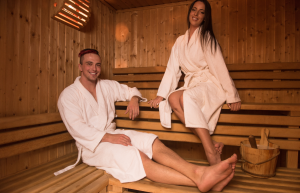
At a high-end spa in Manhattan, guests are required to wear provided robes and slippers, while the traditional Finnish sauna house in Minnesota encourages complete nudity with towel-sitting requirements. These differences can be dramatic and require totally different preparation strategies.
International Sauna Experiences
Traveling internationally for sauna experiences requires cultural sensitivity and advance preparation. Research strategies and cultural awareness help you navigate different countries’ sauna customs with respect and confidence.
I’ve learned that what works perfectly in American spas can cause serious social problems in German facilities. Each culture has developed its own approach based on centuries of tradition and practical considerations, so don’t assume anything.
Social Dynamics and Unwritten Rules
Advanced strategies for navigating mixed-gender spaces, age-diverse environments, and varying comfort levels among sauna users require sophisticated social awareness. Getting good at these dynamics makes everyone’s experience better while keeping appropriate boundaries.
Modern sauna technology is even adapting to help users navigate these social situations. “Casio has designed a special heat-resistant, moisture-resistant watch that you can wear into a sauna” according to Core77, featuring a 12-minute timer mode to help users perfectly time their sessions without disrupting others by checking phones or clocks.
Strategic Towel Usage
Towel diplomacy involves strategic usage for keeping things hygienic while respecting others’ comfort levels and facility rules. This system helps you navigate complex social situations with grace and consideration.
I’ve developed a three-towel system: one for sitting, one for modesty, and one for drying. This approach covers most situations while showing respect for facility rules and other users’ comfort levels.
Body Language and Spatial Awareness
Appropriate body language, eye contact, and spatial awareness become crucial in intimate sauna settings. Understanding and using these non-verbal communication tricks helps keep environments comfortable for everyone.
Sauna spaces create unique social dynamics where normal conversation rules don’t apply. Keeping respectful distance, not staring, and reading room energy become essential skills that you pick up over time.
Reading the Room for Conversation
Figuring out when social interaction is welcome versus when meditative silence is preferred requires careful observation of room dynamics. This skill helps you contribute positively to the sauna atmosphere instead of being that annoying person.
Some saunas buzz with friendly conversation while others maintain library-quiet reverence. I watch for cues – are people chatting, making eye contact, or sitting with closed eyes in contemplative silence? Matching the room’s energy shows respect for the collective experience.
Handling Unexpected Situations
Public sauna environments can throw you curveballs that require graceful handling. Being prepared for potential wardrobe malfunctions, facility issues, or social awkwardness helps you keep your cool and respect for others.
When Things Go Wrong with Your Clothing
Clothing failures, towel mishaps, or unexpected exposure situations require calm, graceful responses. Having strategies for these scenarios helps you handle problems without disrupting others’ experiences or making things weird.
I once watched someone’s towel slip completely off during a busy Saturday afternoon session. Instead of panicking, they calmly retrieved it and rewrapped without making a scene. Their composed response actually made everyone more comfortable than if they’d created drama about it.
Getting Smart About Different Types of Sauna Sessions
Developing a smart approach to sauna clothing involves thinking about your specific wellness goals, seasonal factors, and what kind of sauna experience you’re after. What should I wear in the sauna becomes a strategic question when you understand how different approaches serve different purposes.
Your sauna outfit should match up with whether you’re focusing on detoxification, socializing, recovery, or seasonal wellness stuff.
Matching Clothes to Your Sauna Goals
Different sauna experiences need different clothing strategies based on what you’re trying to accomplish. Whether you’re focusing on detoxification, socializing, or recovery, your clothing choices can help or hurt your desired outcomes.
Maximizing Detoxification Sessions
Clothing strategies that maximize toxin elimination focus on getting the most sweating and circulation possible. These approaches prioritize minimal coverage and specific fabric choices that support your body’s natural detoxification processes.
For serious detox sessions, I go completely minimal – just a sitting towel. Maximum skin exposure allows unrestricted sweating and heat penetration. Any fabric barrier reduces how efficiently you can eliminate toxins through your skin.
Balancing Wellness and Social Comfort
Group sauna experiences and special events require balancing personal wellness goals with social comfort considerations. These situations demand thoughtful clothing choices that respect both individual and group dynamics.
A corporate wellness retreat chose to implement a “comfortable coverage” policy, allowing participants to wear lightweight cotton wraps or swimwear, resulting in 95% participation rates compared to traditional nude-only policies that often see 60% participation. This shows how adapted approaches can keep wellness benefits while working for different comfort levels.
Recovery and Rehabilitation Focus
Therapeutic sauna use for post-workout recovery and injury rehabilitation may need different clothing choices. These sessions prioritize healing and comfort while keeping the therapeutic benefits of heat therapy.
Understanding the science behind sauna and cold therapy recovery protocols helps inform appropriate clothing choices for getting the most therapeutic benefits during recovery sessions. Recovery-focused sessions might need slightly more coverage to protect sensitive areas while still allowing heat penetration.
Seasonal Considerations That Matter
Outdoor temperatures and seasonal changes significantly influence optimal sauna clothing decisions. Understanding how to adapt your approach for different weather conditions helps you stay comfortable and safe year-round.
Winter Sauna Protocols
Cold-weather sauna sessions need specific clothing strategies for managing transitions and preparing for thermal shock. These protocols help you safely enjoy sauna benefits even in harsh winter conditions.
Winter saunas create unique challenges with extreme temperature differences. I’ve learned to layer transition clothing that can be quickly removed and replaced, protecting against dangerous temperature swings between the sauna and frigid outdoor air.
Summer Heat Adaptations
Hot weather conditions need adapted sauna clothing when your body is already heat-stressed. These modifications help prevent overheating while keeping the therapeutic benefits of sauna sessions.
Summer sauna sessions demand extra caution with clothing choices. Your body starts pre-heated, so even minimal fabric can become overwhelming. I reduce session duration and choose the lightest possible coverage during hot weather.
The Accessories That Actually Help (And the Ones That Don’t)
Beyond basic clothing choices, specialized accessories can significantly enhance your sauna safety, comfort, and overall experience while keeping things culturally authentic. What to wear in a sauna extends beyond clothing to include protective gear and transition items that support your entire sauna journey.
These accessories address specific risks associated with high-heat environments while supporting traditional sauna practices. What to wear in a sauna includes smart accessory choices that protect your body and make smooth transitions easier.
Safety Accessories You Shouldn’t Skip
Critical safety items protect your body and enhance your sauna session without messing with traditional experiences. These accessories address specific risks associated with high-heat environments while supporting cultural authenticity.
Protecting Your Feet from Hot Surfaces
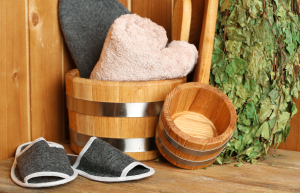
Wooden clogs, felt slippers, and rubber sandals designed for high-heat environments each serve specific purposes. Understanding when and how to use each type helps prevent burns while keeping appropriate sauna etiquette.
According to The Soothing Company, the average temperature of a sauna is between about 80C and 90C (176-194°F), making proper foot protection essential for preventing burns on hot surfaces.
I learned this lesson painfully during my first authentic Finnish sauna experience. The wooden floors and benches can reach temperatures that cause immediate burns to unprotected feet. Quality wooden clogs or felt slippers become essential safety equipment, not just nice-to-have accessories.
Head Protection That Actually Works
Traditional felt sauna hats, wet towel wraps, and modern heat-resistant headwear protect your scalp and hair from extreme temperatures. These accessories can seriously improve comfort during longer or higher-temperature sessions.
Yes, sauna hats look ridiculous. Yes, you should still wear one. Your head loses heat rapidly and can get uncomfortably hot in high-temperature sessions. A quality felt hat lets you stay in the sauna longer while protecting your hair from heat damage.
Transition and Cooling Accessories
Specialized items for critical transition periods before, during, and after sauna sessions can dramatically improve your overall experience. These accessories make smooth temperature changes easier while keeping modesty and comfort.
Pre-Sauna Preparation Gear
Loose-fitting robes, wraps, and transition garments allow easy removal while keeping modesty in changing areas. These items bridge the gap between street clothes and sauna attire with comfort and convenience.
Essential Pre-Sauna Preparation Checklist:
- Lightweight cotton or linen robe
- Quick-release sandals or slip-ons
- Hair ties made from natural materials
- Clean towels (sitting and drying)
- Water bottle for hydration
- Storage bag for jewelry and accessories
Post-Sauna Recovery Clothing
Specialized garments for cooling-down periods include moisture-wicking materials and temperature-regulating fabrics. These items help your body transition safely from high heat to normal temperatures without shocking your system.
Your body continues sweating for 15-20 minutes after leaving the sauna. Recovery clothing needs to handle this continued moisture while gradually helping your body return to normal temperature. Loose, breathable fabrics work best for this transition period.
Cold Plunge Coordination
Sauna sessions that include ice baths, cold showers, or outdoor cooling periods need specific clothing strategies. These approaches help you safely navigate extreme temperature contrasts while keeping the therapeutic benefits.
Cold plunge protocols create unique clothing challenges. You need garments that can handle rapid temperature changes without becoming uncomfortable or unsafe. Quick-dry materials and minimal coverage work best for these contrast therapy sessions.
Personal Hygiene and Comfort Items
Essential personal items enhance cleanliness and comfort while respecting sauna etiquette. These accessories support both individual needs and community standards for shared sauna spaces.
Optimizing Your Towel System
Multi-towel strategies include sitting towels, drying towels, and modesty wraps, each with specific sizing and material considerations. This system approach ensures hygiene while providing flexibility for different situations.
I’ve developed a three-towel minimum system: a large sitting towel for bench hygiene, a body towel for drying, and a smaller wrap for transitions. This approach covers most situations while showing respect for facility cleanliness standards.
Personal Care That Withstands Heat
Hair ties, headbands, and other personal items must safely withstand sauna conditions without messing up your experience. Choosing heat-resistant options prevents damage while keeping comfort and functionality.
Metal hair accessories get dangerously hot in sauna conditions. I learned this when a metal hair clip got so hot it burned my scalp. Natural fiber hair ties and wooden accessories handle heat much better while still doing their job.
If you’re thinking about installing a home sauna , understanding the differences between dry and wet saunas will help you figure out the most appropriate clothing and accessory choices for your specific sauna type. HETKI Sauna’s authentic Finnish designs eliminate a lot of the guesswork around public sauna etiquette while letting you establish your own comfort-based traditions. Their custom sauna solutions let you create the perfect environment for your preferred clothing approach, whether that’s traditional Finnish minimalism or adapted modern comfort. Ready to bring authentic sauna culture to your home? Check out HETKI’s personalized sauna options and start planning your perfect sauna space.
Final Thoughts
Look, choosing what to wear in a sauna goes beyond fabric and coverage – it’s about respecting centuries of wisdom while finding your personal comfort zone. I’ve learned that the best sauna experiences happen when you understand both the traditional foundations and practical stuff that guides these choices.
The key is starting with cultural awareness, then adapting based on your specific situation, comfort level, and what you’re trying to get out of it. Whether you go full traditional Finnish minimalism or prefer modern adaptations, the most important thing is feeling confident and respectful in your choices.
Remember that your sauna clothing decisions affect not just your own experience but the comfort and safety of everyone sharing the space. By understanding the science behind fabric choices, respecting facility rules, and keeping proper etiquette, you contribute to that sacred, peaceful environment that makes sauna culture so special.
Your sauna journey will change as you gain experience and confidence. Start conservatively, watch what others do, and gradually find what works best for your body, goals, and comfort level. The most authentic sauna experience is one where you feel both physically comfortable and culturally respectful.
Bottom line: When in doubt, bring a towel and ask what’s normal at that place. Saunas are supposed to be relaxing, so don’t stress too much about getting everything perfect – just be respectful, stay safe, and you’ll figure out what works for you.