I’ll never forget my first sauna experience – sitting there for 20 minutes, watching everyone else dripping with sweat while I stayed bone dry. I felt like a broken radiator. Sound familiar?
If you’re wondering why your body seems to be on strike when it comes to sweating in the sauna, you’re definitely not alone. Most people expect to start sweating within 15-20 minutes of entering a properly heated sauna, but when this doesn’t happen, it usually points to some pretty interesting stuff going on under the hood.
Your body’s heat response is way more complex than just “get hot, make sweat.” It’s like a complicated dance between your brain, your nervous system, your skin, and even your internal clock. Understanding how all these pieces fit together can help you figure out what might be blocking your natural sweating response – and more importantly, how to fix it.

Table of Contents
- Your Nervous System’s Secret Role in Sauna Sweating
- Environmental Factors That Block Your Natural Heat Response
- The Hidden Chemistry Behind Sweat Production
- Advanced Troubleshooting When Nothing Seems to Work
- How Your Skin’s Ecosystem Controls Moisture
- Timing Your Body’s Natural Heat Cycles
- Final Thoughts
TL;DR
- Your sweating response involves your brain and body having a complex conversation that stress, medications, and genetics can totally mess up
- Where you sit and what’s happening with humidity creates invisible zones that either help or hurt your sweating
- Your internal chemistry – blood sugar, electrolytes, thyroid function – determines whether your body can actually make sweat happen
- When your meds basically tell your sweat glands to take a vacation (antihistamines, antidepressants, and blood pressure drugs are common culprits)
- Your skin’s pH and the tiny bacteria living on it directly control whether sweat can actually make it to the surface
- When your internal clock is all messed up, it can shift your best sweating times away from when you actually want to sauna
- A step-by-step approach helps you figure out if you’re dealing with adaptation, something actually wrong, or just bad sauna conditions
Your Nervous System’s Secret Role in Sauna Sweating
Here’s the thing about your nervous system: it has two main modes – “Oh crap, danger!” and “Chill out, everything’s fine.” For sweating to work properly, you need to be in chill mode. When you’re stressed, your body couldn’t care less about cooling you down – it’s too busy preparing for whatever crisis it thinks is coming.
When people ask why don’t i sweat in the sauna, the answer often has more to do with what’s happening in their head than what’s happening with the temperature.
The Fight-or-Flight vs. Rest-Digest Balance During Heat Exposure
I’ve noticed my most frustrating sauna sessions happen when I’m stressed or my mind is racing. Your body is basically like that friend who always creates drama – when stress hormones show up, they mess with everything. They literally redirect blood away from your skin because your body thinks keeping your organs alive is more important than keeping you comfortable in a sauna. Fair point, body, but still annoying.
The relaxed side of your nervous system needs to be running the show for optimal sweating. When you’re actually chill, your body can focus on temperature control instead of preparing to fight imaginary tigers.
Take my friend Sarah – she’s a marketing exec who used to have amazing sauna sessions until work got crazy. Suddenly, she’d sit in that 180°F heat for 20 minutes and stay completely dry. It wasn’t the sauna’s fault or her body giving up on her. Her stressed-out brain was basically telling her sweat glands, “Not now, we’re busy panicking about that presentation tomorrow.” After she started doing a quick 10-minute meditation before each session and switched to lunch break saunas instead of after-work ones, her sweating came back within two weeks.
When Stress Hormones Hijack Your Heat Response
Stress hormones are like uninvited party guests – they show up and immediately start rearranging everything. Cortisol and adrenaline don’t just make you feel wound up; they actively mess with your sweating by redirecting blood flow away from your skin where sweat glands need good circulation to do their job.
Here’s what actually helps: Check your stress levels before hopping in the sauna using one of those heart rate variability apps. Do some deep breathing for 5-10 minutes before you go in. And maybe skip the coffee 2-3 hours before your session – caffeine just adds fuel to the stress hormone fire.
How Your Medications Might Be Blocking Sweat Production
I learned about this the hard way when my mom started taking blood pressure meds. She’d been a sauna regular for years, then suddenly nothing. Turns out her new prescription was basically putting her sweat glands on strike. Nobody warns you about this stuff when you pick up your pills at the pharmacy.
Even over-the-counter allergy meds can turn your sweat glands into lazy teenagers – they’re perfectly capable of working, they just can’t be bothered to get off the couch. These medications block the chemical signals that tell your sweat glands to start working.
The timing matters too. Some meds hit their peak effect at different times of day, which means your sweating ability might be like a roller coaster depending on when you took your last dose.
Here’s what to do: Write down when you started any new meds and see if that lines up with when your sauna sessions went sideways. Sometimes the connection is so obvious you’ll smack your forehead. Talk to your doctor about sauna-friendly alternatives, and try timing your sessions when your medication levels are lowest (usually before your morning dose).
| Medication Class | Common Examples | Peak Effect Time | Impact on Sweating |
|---|---|---|---|
| Antihistamines | Benadryl, Claritin, Zyrtec | 2-4 hours | High – blocks the “start sweating” signal |
| Antidepressants | Prozac, Zoloft, Elavil | 4-6 hours | Moderate to High |
| Blood Pressure | Propranolol, Metoprolol | 1-3 hours | Moderate |
| Anticholinergics | Atropine, Scopolamine | 1-2 hours | Very High |
| Diuretics | Furosemide, HCTZ | 2-4 hours | Low to Moderate |
Your Body’s Cellular Heat Adaptation Might Be Working Too Well
Here’s something that might blow your mind: not sweating much could actually mean your body has become incredibly good at handling heat. It’s like your cells went to heat management boot camp and graduated with honors. Regular sauna users develop these things called heat shock proteins – basically cellular bodyguards that protect your cells from heat damage. When these work really well, your body doesn’t need to rely as heavily on sweating for cooling.
This connects to the cellular cleanup mechanisms that occur during sauna detox, where your body becomes way more efficient at managing heat stress.
The beauty world has caught onto this too – people are now chasing “sauna skin” as the latest way to get that dewy, glowing look. This trend shows how regular sauna use can improve how your skin looks even when you’re not turning into a human fountain.
Your Mitochondria Are Getting Better at Heat Management
Your cellular powerhouses – the mitochondria – are basically learning to run more efficiently. They’re producing energy with less waste heat, which means your body doesn’t get as hot on the inside. This is actually your heat adaptation working perfectly, not a sign that something’s wrong.
Elite athletes often sweat less than beginners because their bodies have figured out how to manage heat like pros.
Better Blood Flow Means Less Need for Sweat
Regular sauna use increases the number of tiny blood vessels near your skin surface. It’s like upgrading from a one-lane road to a highway system. This better circulation lets your body dump heat through radiation instead of relying only on evaporation. Your skin might feel warm, but you won’t see the dramatic waterfalls that newbies experience.
Track how often you’ve been saunaing over 4-6 weeks. Check if your resting heart rate is dropping (that’s a good sign of adaptation). Notice if you’re handling heat better during regular daily activities.
Your DNA Might Have Written Different Sweating Rules
Some people just drew different cards in the genetic lottery. Your genes control everything from how your sweat glands are built to how efficiently they move water and electrolytes around. Your sweat glands might be the Honda Civic of the sweat world – reliable but not flashy – while your friend got the Ferrari version that goes from zero to soaked in five minutes.
The Cystic Fibrosis Gene Connection You Probably Don’t Know About
Even if you don’t have cystic fibrosis, variations in the CFTR gene can affect how your sweat glands handle salt and other electrolytes. These minerals are crucial for making sweat happen. Some people have genetic variations that make their sweat ducts less efficient at moving these essential ingredients around.
This isn’t necessarily a problem – it’s just your body’s unique operating system. But it might explain why standard hydration advice doesn’t work the same for everyone.
Water Transport Proteins: Your Genetic Lottery Ticket
Aquaporins are like tiny water highways in your cells. Some people have genetic variations that make these highways run like the Autobahn, while others are stuck with country roads. If your aquaporins aren’t moving water quickly enough to your skin surface, you might be producing sweat that never makes it to where you can actually see or feel it.
Consider genetic testing for heat response markers if you’re really curious. Keep detailed notes about your hydration – including electrolyte intake. Try adding some minerals to your water before sauna sessions (magnesium, potassium, sodium in balanced ratios).
Environmental Factors That Block Your Natural Heat Response
Here’s something nobody tells you: where you sit in the sauna can make or break your whole session. You could be three feet away from someone who’s dripping like a faucet while you stay bone dry, just because you picked the wrong spot. The specific conditions around your body create invisible zones that either help or totally sabotage your natural sweating.
Traditional dry saunas run at 174-212 degrees Fahrenheit, while infrared saunas work at much lower temps of 120-200 degrees. These temperature differences totally change how fast your body starts sweating and might explain why switching between sauna types messes with your sweat response.
Understanding the difference between dry vs wet sauna environments becomes crucial when you’re trying to figure out why am i not sweating in the sauna, since humidity levels directly control whether you can actually feel the sweat your body is making.
The Hidden Science of Humidity and Your Skin’s Moisture Balance
Humidity creates invisible pressure zones around your body that can totally make or break your sweating response. When the air around you is already loaded with moisture, your sweat has nowhere to go – it’s like trying to pour water into an already full glass. But here’s the tricky part: too little humidity can also work against you by making sweat evaporate so fast you never feel wet.
Timing Your Löyly for Maximum Sweat Activation
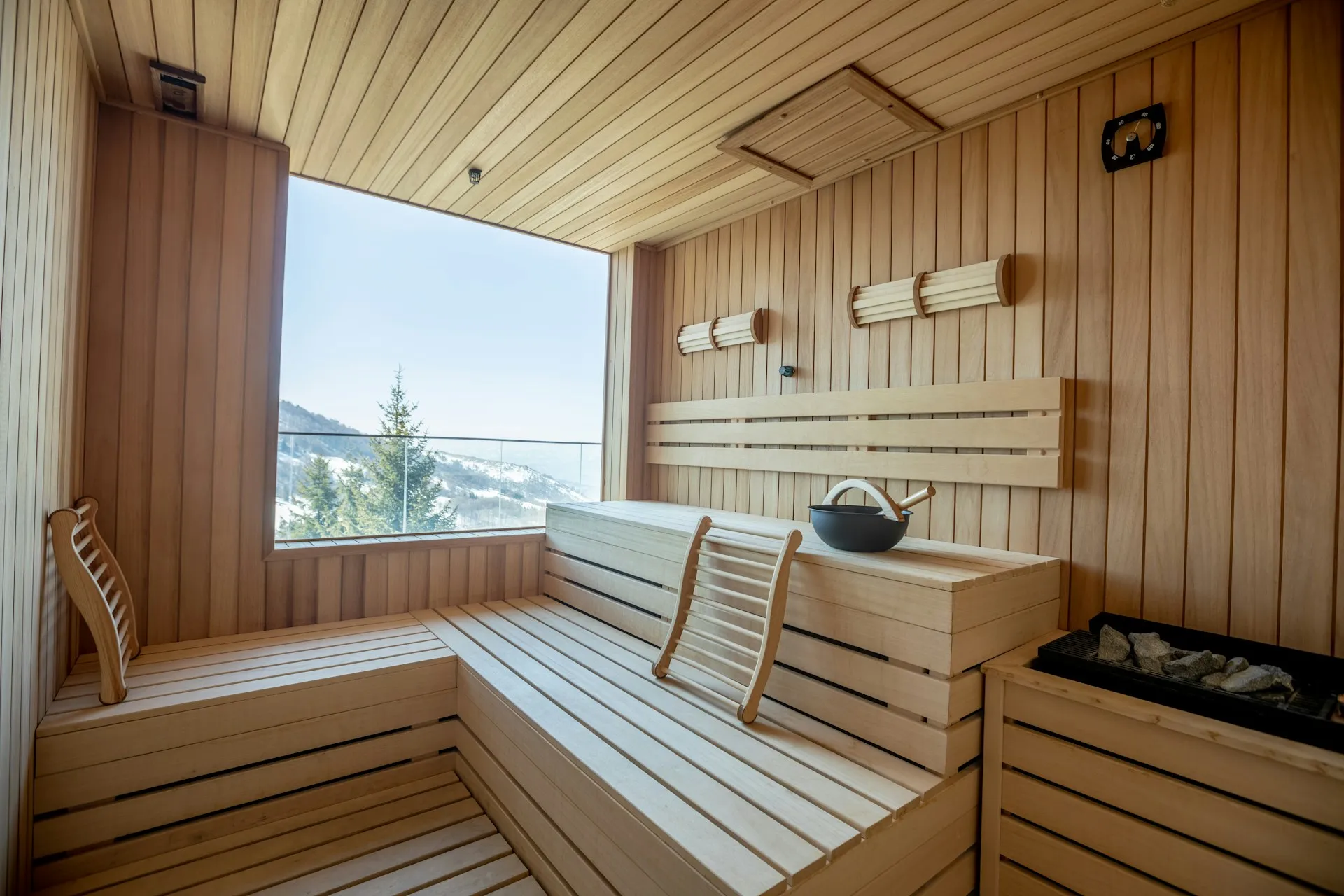
I learned this the hard way – throwing water on the stones the second you walk into the sauna can actually shock your system into not sweating. Your sweat glands need time to “wake up” and start responding to the heat. That sudden humidity blast from löyly can overwhelm glands that aren’t ready yet.
The Finnish figured this out centuries ago. They wait until their bodies start responding to the dry heat before adding moisture. This gets the sweat glands warmed up first, then gives them the humidity boost they need to really get going.
Wait 5-7 minutes after you sit down before your first löyly. Use small amounts of water (1-2 ladles) at first. Pay attention to how your skin responds to different humidity levels – you should feel tingling or warmth sensations.
Why Your Dry Skin Might Be Trapping Microscopic Sweat
Your skin might be working perfectly, but you can’t tell because the sweat is getting caught in tiny valleys and dead skin cells. It’s like having an invisible net that catches sweat droplets before they can combine into bigger beads you’d actually notice.
This happens especially if you haven’t exfoliated recently or if you use heavy moisturizers that change your skin’s natural texture. The sweat is there – you just can’t see or feel it.
Gently exfoliate 24 hours before your sauna session using a dry brush. Skip moisturizers or oils on sauna days. When checking for moisture, use a light touch instead of aggressive toweling that might wipe away what’s there.
Where You Sit Changes Everything About Heat Distribution
Want to know how I discovered the whole heat distribution thing? I spent three months thinking I was broken before realizing I was sitting in what I now call “the dead zone” – right where all the cool air collects. I basically found the one spot in a 180-degree room that felt like air conditioning. Brilliant.
Most people don’t realize they’re sitting in thermal dead zones or creating their own cooling bubbles that prevent proper heat exposure. Heat moves in predictable patterns, and if you’re not positioned to take advantage of these patterns, you’re fighting an uphill battle.
My friend Mark couldn’t figure out why he stopped sweating after his gym installed new benches. The new setup put him directly under an air vent, creating a cool air pocket that prevented proper heat exposure. By moving to a different bench away from the ventilation system, his sweating came back to normal in the same session.
The Invisible Heat Layers You Need to Know About
Saunas have invisible heat highways. The hottest air rises and creates distinct temperature layers – like invisible shelves of heat stacked on top of each other. If you’re sitting where these layers don’t flow properly, you might be in a pocket of cooler air even though the thermometer reads high.
Corner spots are notorious for this. So are areas directly under vents or near doors where air circulation creates cooling effects. Moving just a few inches can put you in a completely different thermal environment.
Breaking Your Personal Heat Bubble
Your body constantly creates a thin layer of cooler, more humid air around itself. This boundary layer acts like invisible insulation, protecting you from the full heat of the sauna. While this prevents overheating, it can also prevent you from getting hot enough to start sweating.
Simple movements can break through this barrier and expose your skin to the full heat. Most people sit perfectly still, maintaining their protective bubble without realizing it.
Change positions every 8-10 minutes. Use gentle arm movements to disrupt the air layers around your torso. Switch between sitting upright and reclining to expose different body surfaces to the hottest zones.
The Hidden Chemistry Behind Sweat Production
Your body’s internal chemistry is like the backstage crew at a concert – when everything’s working right, you don’t even notice it, but when something’s off, the whole show falls apart. Blood sugar levels, electrolyte balance, thyroid function, and where water actually hangs out in your tissues all determine whether your sweat glands can do their job. Even when you feel properly hydrated, the chemistry at the cellular level can prevent sweat glands from accessing the water they need.
Where Your Body Stores Water Matters More Than How Much You Drink
I used to be that guy chugging water bottles like I was training for a marathon, thinking more water equals more sweat. Wrong! I was just creating expensive urine while my cells stayed thirsty. Turns out hydration is more like cooking – you need the right ingredients (hello, electrolytes) not just more of the main one.
Drinking water doesn’t automatically mean your sweat glands can access it. Your body stores water in different compartments – inside cells, outside cells, in your bloodstream, and in your tissues. Sweat glands need water from specific compartments, and if that water gets pulled elsewhere for more urgent needs, you’re out of luck.
High blood sugar is a major troublemaker here. When your glucose levels spike, your body pulls water into your bloodstream to dilute the sugar. This leaves your sweat glands high and dry. The same thing happens with high sodium levels – your body prioritizes diluting the salt over supporting sweat production.
The Blood Sugar Connection Nobody Talks About
I’ve seen people struggle with sweating after eating high-carb meals before their sauna sessions. Your blood sugar doesn’t have to reach diabetic levels to mess with sweating – even normal post-meal spikes can redirect water away from your sweat glands.
This is why timing your meals matters. That pasta lunch might be sabotaging your evening sauna session in ways you never considered. Understanding why don’t i sweat in the sauna often comes down to these hidden factors that most people completely overlook.
Test your blood glucose before sauna sessions if you’re having inconsistent sweating. Drink 16-20oz of water with a pinch of sea salt 30-45 minutes before you go in. Skip high-sodium meals 2-3 hours before your session.
| Hydration Factor | Optimal Timing | Recommended Amount | Impact on Sweating |
|---|---|---|---|
| Water intake | 2-3 hours before | 16-24 oz | High |
| Electrolyte supplementation | 30-45 minutes before | 1/4 tsp sea salt per 16oz | Very High |
| Post-meal sauna delay | 2-3 hours after eating | N/A | Moderate to High |
| Alcohol avoidance | 12-24 hours before | N/A | High |
| Caffeine limitation | 2-3 hours before | <100mg | Moderate |
Your Thyroid Controls Your Internal Heat Engine
Your thyroid is like the thermostat in your house, except when it’s not working right, it’s more like that one friend who’s always cold and keeps messing with the temperature when everyone else is comfortable. It doesn’t just set a temperature – it controls how much heat your cells produce at the baseline level. If your thyroid isn’t working optimally, you might not be generating enough internal heat to trigger your sweating response, even in a hot sauna.
Research shows that heart rate can increase to about 100-150 beats per minute during sauna sessions, but if your thyroid isn’t supporting proper heat production, your cardiovascular response might be blunted too.
The T3/T4 Conversion Problem
Most people know about TSH (thyroid stimulating hormone), but the real action happens with T3 and T4. Your body produces mostly T4, which is basically inactive thyroid hormone sitting on the bench. It needs to convert to T3 to actually get in the game. Stress, poor nutrition, and certain medications can block this conversion.
When this conversion isn’t happening efficiently, your metabolic heat production drops. You might feel cold all the time, have low energy, and struggle to work up a sweat even in hot environments.
Keep track of your resting body temperature (should consistently be 97.8-98.6°F). Monitor your energy levels and how well you tolerate cold outside the sauna. Consider thyroid function testing if you notice decreased sweating combined with fatigue or unexplained weight changes.
When Your Adrenals Can’t Support Heat Stress
Your adrenal glands don’t just handle everyday stress – they’re crucial for heat tolerance too. Chronic stress can exhaust these glands, leaving you without the hormonal support needed for proper temperature regulation. You might feel completely wiped out by heat that used to feel comfortable and energizing.
This is different from acute stress messing with your sweating. This is about long-term depletion of your body’s stress-handling capacity, which includes managing the stress of heat exposure.
Try stress reduction techniques like meditation or yoga. Make sure you’re getting adequate sleep (7-9 hours nightly). Consider adaptogenic herbs after talking with a healthcare provider who knows your situation.
Advanced Troubleshooting When Nothing Seems to Work
When the basic fixes don’t work, it’s time to get a bit more scientific about figuring out what’s going wrong. Random trial and error can waste months of frustrating sauna sessions. A systematic approach helps you identify whether you’re dealing with a medical issue, environmental problems, or just unrealistic expectations about what “normal” sweating looks like.
Creating Your Personal Sweat Diagnostic Protocol
Sometimes you need to channel your inner detective to solve the mystery. Developing a consistent sauna routine using scientific methods becomes essential when you’re troubleshooting persistent issues with not sweating in sauna sessions.
A recent study on infrared sauna usage found that participants experienced “relaxed alertness” after sessions, which researchers identified as the ideal mental state for clear thinking. This state can actually help you better assess and troubleshoot your own sweating patterns during systematic testing.
Testing Your Body’s Heat Response Systematically
I recommend starting with baseline measurements before trying any fixes. This gives you real data to track improvements against instead of relying on fuzzy memories of how things felt last week. Most people skip this step and then can’t tell if their changes are actually working.
The key is consistency – same temperature, same duration, same conditions each time you test. Things like how hydrated you are, stress levels, and time of day can all mess with your results, so try to control as many variables as possible.
Do a 20-minute baseline sauna session at 160°F (70°C). Write down when you first notice moisture, how your heart rate responds, and how comfortable you feel. Repeat this weekly while trying different interventions to track what’s actually helping.
Systematic Testing Checklist:
- Record baseline measurements (weight, heart rate, blood pressure)
- Document environmental conditions (temperature, humidity, time of day)
- Note any medications taken and when
- Track hydration status (urine color, how much you’ve been drinking)
- Monitor stress levels using an app or just rate yourself 1-10
- Take photos of your skin before and after sessions
- Record when you first notice sweat
- Document total session time and comfort levels
Measuring Sweat Production When You Can’t See It
You might be sweating more than you think. Really fast evaporation can make it seem like you’re not producing any moisture when you actually are. Weighing yourself before and after sessions (accounting for any water you drink) gives you hard data about fluid loss that your eyes might be missing.
Taking photos under consistent lighting can also reveal moisture patterns that aren’t obvious. Your phone’s camera might pick up subtle skin changes that show sweating even when you can’t feel it.
Weigh yourself naked before and after 15-minute sessions (subtract any water you drink). Use clean towels to dab specific body areas and see what you collect. Take photos of your skin under the same lighting to document moisture patterns you might miss.
My friend Jennifer thought she wasn’t sweating during her infrared sauna sessions. Using weight measurements, she discovered she was losing 1.2 pounds of water weight per 30-minute session – clear proof of significant sweating. The sweat was evaporating so quickly in the low-humidity environment that she couldn’t see it, but her body was responding perfectly.
Strategic Intervention Approaches That Actually Work
The Right Way to Optimize Your Hydration
Most hydration advice is way too simple. “Drink more water” doesn’t account for electrolyte balance, timing, or how well your body actually absorbs what you’re giving it. Your body needs the right minerals in the right ratios to actually use the water you’re drinking.
Starting hydration hours before your sauna session gives your body time to properly distribute the fluids. Last-minute chugging just creates diluted blood and frequent bathroom trips without improving how hydrated your cells actually are.
Start hydrating 2-3 hours before sauna use with 8-12oz water every 30 minutes. Add 1/4 teaspoon sea salt and 1/8 teaspoon potassium chloride to every 16oz of water. Check your urine color (should be pale yellow) as a hydration indicator.
Environmental Modifications for Stubborn Cases
When your body isn’t cooperating, you can often work around the limitations by tweaking your environment. Lower temperatures with longer exposure times can sometimes trigger sweating when high heat fails. The key is finding your body’s sweet spot instead of forcing it into someone else’s ideal conditions.
Different wood types, heating methods, and ventilation patterns all create subtly different environments. What doesn’t work in one setup might work perfectly in another.
Start with lower temperatures (140-150°F) and longer sessions (20-25 minutes). Gradually increase humidity with more frequent löyly applications. Try different wood types or heating methods if you have options.
Tracking Your Progress Like a Pro
How you feel can be misleading when you’re trying to assess whether things are getting better. Your body might be adapting in ways that aren’t immediately obvious. Heart rate variability, sleep quality, and general heat tolerance throughout the day often improve before you notice changes in sauna sweating.
Wearable devices make this kind of tracking much easier than it used to be. The data can reveal patterns and improvements that you might miss if you’re just going by how things feel.
Use wearable devices to monitor resting heart rate variability. Track sleep quality scores (many fitness trackers provide this automatically). Write down your subjective energy levels and how well you handle heat in daily activities outside the sauna.
How Your Skin’s Ecosystem Controls Moisture
Your skin isn’t just a barrier – it’s a living ecosystem with its own chemistry and tiny inhabitants that actually help control sweat production. The bacteria living on your skin, your skin’s pH, and how intact your skin barrier is create the immediate environment where sweat production either succeeds or fails completely.
Your Skin’s pH and Bacterial Partners
Most people unknowingly sabotage their skin’s ecosystem with harsh soaps and antibacterial products. These might make you feel squeaky clean, but they’re destroying the beneficial bacteria that help your sweat glands work properly. It’s like using a flamethrower to weed your garden – you get rid of the bad stuff, but you also destroy all the good helpers.
The Beneficial Bacteria You’re Probably Killing
Lactobacillus and other good bacteria on your skin produce compounds that actually help your sweat glands work better. They create the right pH environment and make stuff that keeps your sweat ducts clear and functional. It’s like having tiny maintenance workers living on your skin.
When you use antibacterial soaps or harsh cleansers, you’re basically firing all these helpful employees. It can take days or weeks for the beneficial bacteria to move back in, and during that time your sweating might be seriously impaired.
Skip antibacterial soaps 48 hours before sauna sessions. Try probiotic skincare products that contain lactobacillus. Cut back on super hot showers that strip away beneficial skin bacteria.
How Alkaline Soaps Mess With Your Sweat Channels
Your sweat ducts rely on specific electrical charges to move moisture efficiently – kind of like tiny electrical highways. When you use high pH soaps (most commercial soaps are around 9-10 pH), you’re basically changing the electrical environment of these microscopic channels.
Your skin’s natural pH should be around 5.5 – slightly acidic. This isn’t just for protection; it’s crucial for proper sweat duct function. When the pH gets thrown off, even temporarily, your sweat might not be able to reach the surface effectively.
Switch to pH-balanced cleansers (5.5 pH or lower). Test your skin pH using strips before and after washing. Try diluted apple cider vinegar (1:4 ratio with water) as a skin pH reset treatment.
Your Skin Barrier’s Role in Sweat Detection
When Your Skin Barrier Is Too Leaky or Too Tight
Think of your skin like a really good rain jacket. When it’s working right, moisture can get out (sweat) but bad stuff can’t get in. But if you’ve been scrubbing it with harsh soaps, it’s like putting your rain jacket through a cheese grater – nothing works the way it’s supposed to anymore.
Your skin barrier is supposed to be selectively permeable – letting the right things through while keeping others out. When it’s damaged, you get unpredictable results. Sometimes sweat evaporates so quickly you never feel it. Other times, the barrier becomes so messed up that sweat can’t push through properly.
Use moisturizers with ceramides on non-sauna days. Take omega-3 fatty acids (2-3g daily) to support your skin’s natural lipid barrier. Avoid harsh scrubbing that damages the top layer of your skin.
The Toxin Buildup Nobody Talks About
Your sweat glands can get clogged with more than just dead skin cells. Environmental toxins, heavy metals, and synthetic chemicals can build up in those tiny ducts, creating blockages that prevent normal sweat flow. This is especially problematic if you live in a polluted area or work with certain chemicals.
The irony is that sweating is one of your body’s natural detox mechanisms, but toxin buildup can prevent the very process that would help clear them out. It’s like having a clogged drain that can’t clear itself.
Support detox with chlorella or spirulina supplements. Use activated charcoal masks on non-sauna days to draw out pore impurities. Consider talking to a healthcare provider about chelation therapy if testing reveals significant heavy metal accumulation.
Timing Your Body’s Natural Heat Cycles
Your body runs on an internal clock that’s pickier than a toddler’s bedtime routine. This clock doesn’t just control when you feel sleepy – it orchestrates your entire temperature control system. Your sweat glands are most responsive during certain windows, and if your internal timing is off, you might be trying to sauna during your body’s “low responsiveness” periods.
Most people typically start sweating after spending 15 minutes in a sauna under normal circumstances, but this timing can vary significantly based on your internal clock and what time of day you choose for your session.
Your Internal Clock Controls More Than Sleep
This timing issue becomes particularly relevant when you consider traditional Finnish sauna culture, where sessions are typically scheduled during optimal internal clock windows, which helps explain why don’t i sweat in the sauna becomes less common when following authentic practices.
Why Evening Saunas Might Not Work for You
Melatonin doesn’t just make you sleepy – it actively lowers your core body temperature to prep you for sleep. If you’re trying to sauna while melatonin is rising, you’re basically fighting against your body’s natural cooling system. Your sweat glands might not respond properly because your system is already trying to cool down.
It’s like trying to get pumped up for a workout when you’re already in your pajamas. This timing conflict can make evening sauna sessions feel frustrating and ineffective, even though the same person might sweat easily during morning or afternoon sessions.
Schedule sauna sessions 3-4 hours before your typical bedtime. Track your natural energy peaks (usually mid-morning or early evening). Avoid blue light from screens 2 hours before sauna use to maintain proper melatonin timing.
The Morning Cortisol Connection
Your cortisol naturally spikes in the morning to help you wake up and get moving. This can either help or hurt your sweating, depending on your overall stress levels and how well your adrenals are functioning. If your adrenals are healthy, morning cortisol can actually enhance your heat response. But if you’re dealing with burnout or chronic stress, that morning spike might work against you.
Your nervous system during morning cortisol is like a helicopter parent at a playground – it’s so busy worrying about potential dangers (like your to-do list) that it forgets to let you actually enjoy the experience.
Caffeine makes this even more complicated by amplifying cortisol’s effects. The combination can create a state where your nervous system is too amped up for proper temperature regulation.
Test morning versus evening sauna sessions to figure out your optimal timing. Pay attention to how caffeine affects your sweating (cortisol and caffeine can be a problematic combo). Consider saliva cortisol testing if you suspect your adrenals aren’t functioning well.
Shift Work’s Impact on Heat Response
Shift workers often struggle with inconsistent sauna responses because their internal clocks are constantly getting scrambled. Your body’s temperature cycle gets confused when you’re sleeping during the day and working at night. This messes up the synchronization and can make your heat response totally unpredictable.
The key is maintaining as much consistency as possible in your sauna timing, regardless of your work schedule. Your body can adapt to unusual schedules, but it needs consistency to do so.
Keep your sauna timing consistent regardless of your work schedule. Use light therapy to support stable internal clock function. Track your body temperature patterns with a continuous monitoring device to identify your personal thermal peaks.
Internal Clock Optimization Checklist:
- Track energy levels throughout the day for 1 week
- Note natural temperature fluctuations (morning vs evening)
- Test sauna sessions at different times of day
- Monitor sleep quality after various sauna timings
- Assess stress levels before each session
- Document caffeine intake and timing
- Consider light exposure patterns and their effects

For those dealing with persistent sweating issues despite trying multiple approaches, HETKI Sauna’s authentic Finnish design addresses many environmental factors that commonly mess with proper sweating. Their carefully engineered ventilation systems create optimal air circulation patterns that prevent those stagnant heat pockets I mentioned earlier, while traditional wood construction provides the thermal mass necessary for stable heat distribution. The customizable nature of HETKI saunas lets you fine-tune temperature, humidity, and airflow to match your body’s specific needs – whether that’s adjusting ventilation for better heat exposure or selecting wood types that optimize humidity response. Having consistent access to your own properly designed sauna eliminates the stress and unpredictability that can interfere with your nervous system’s heat response.
Understanding Finnish sauna design secrets can help you create the optimal environment for consistent sweating, while following proper Finnish sauna etiquette rules ensures you’re maximizing your body’s natural heat response.
Ready to optimize your sauna experience? Explore HETKI Sauna’s authentic Finnish designs and discover how the right environment can transform your heat therapy sessions.
Final Thoughts
Look, if you’re reading this article, you’re probably not broken – you’re just dealing with one of about fifteen different things that can mess with sweating. The good news? Most of them have pretty straightforward fixes once you figure out what’s actually going on.
Understanding why you don’t sweat in the sauna requires looking beyond simple hydration and temperature factors. Your body’s heat response involves complex interactions between your nervous system, genetics, medications, skin health, and internal timing mechanisms. What might seem straightforward often has multiple contributing factors that need systematic addressing.
And hey, maybe you’re actually sweating more than you think. I know that sounds weird, but some people are stealth sweaters – their sweat evaporates so fast they never feel wet. Try weighing yourself before and after your next session. You might be surprised.
The good news is that most sweating issues can be improved once you identify what’s actually causing them. Whether it’s timing your sessions better, optimizing your hydration strategy, addressing medication effects, or simply learning to work with your body’s unique operating system, there are actionable steps you can take. Remember that reduced sweating isn’t always a problem – it might mean that your body has adapted efficiently to heat stress.
Here’s the bottom line: figuring out your sauna situation is like solving a puzzle, not taking a test. There’s no failing, just figuring out which pieces fit together for your particular body. Start with the easy stuff – drink some water with a pinch of salt, try a different spot in the sauna, maybe skip the coffee beforehand. You’d be amazed how often the simple fixes are the ones that work.
And remember, even if you never turn into a human waterfall, you’re still getting benefits from the heat. Your heart’s getting a workout, your muscles are relaxing, and you’re taking time for yourself. Sometimes that’s enough.