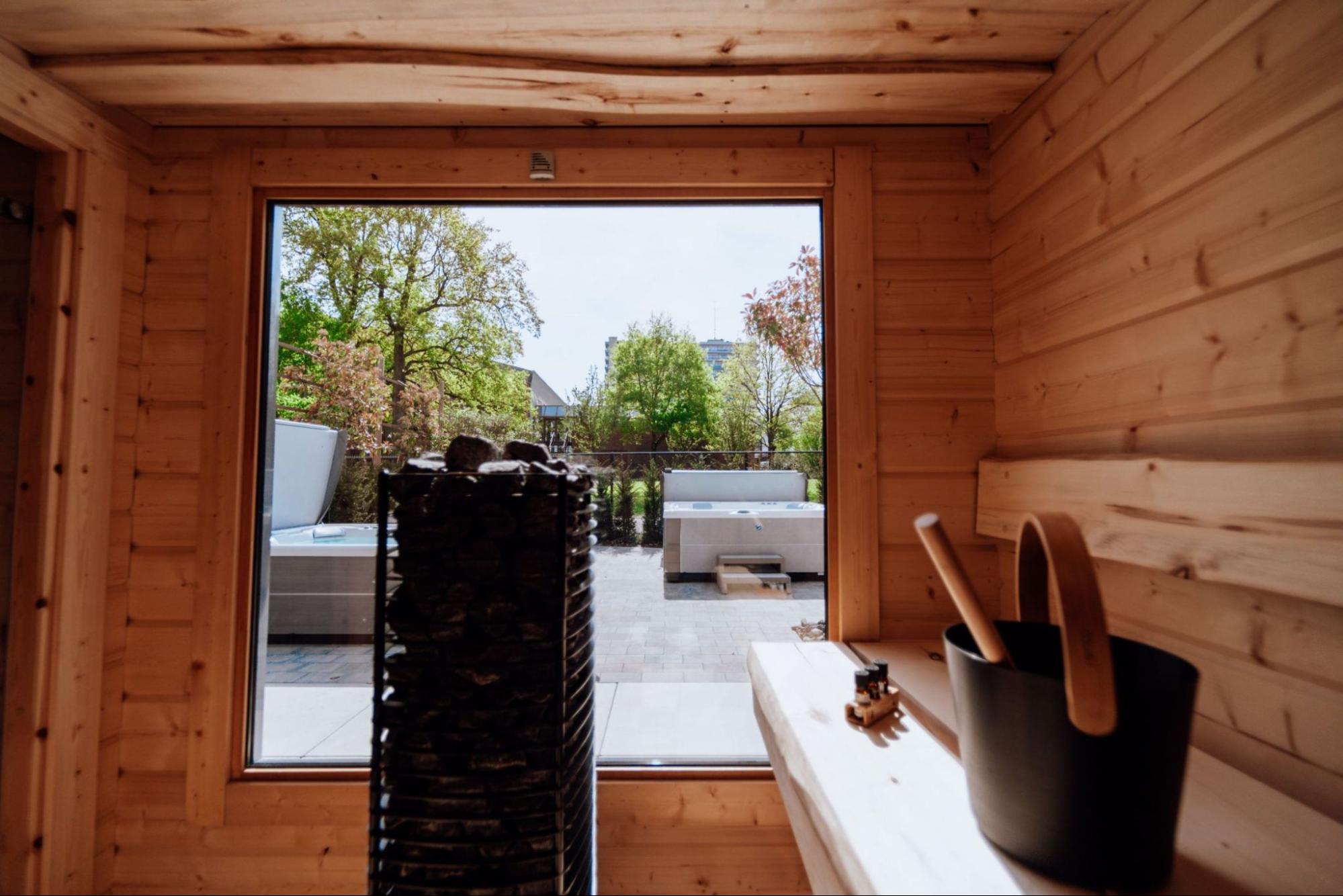
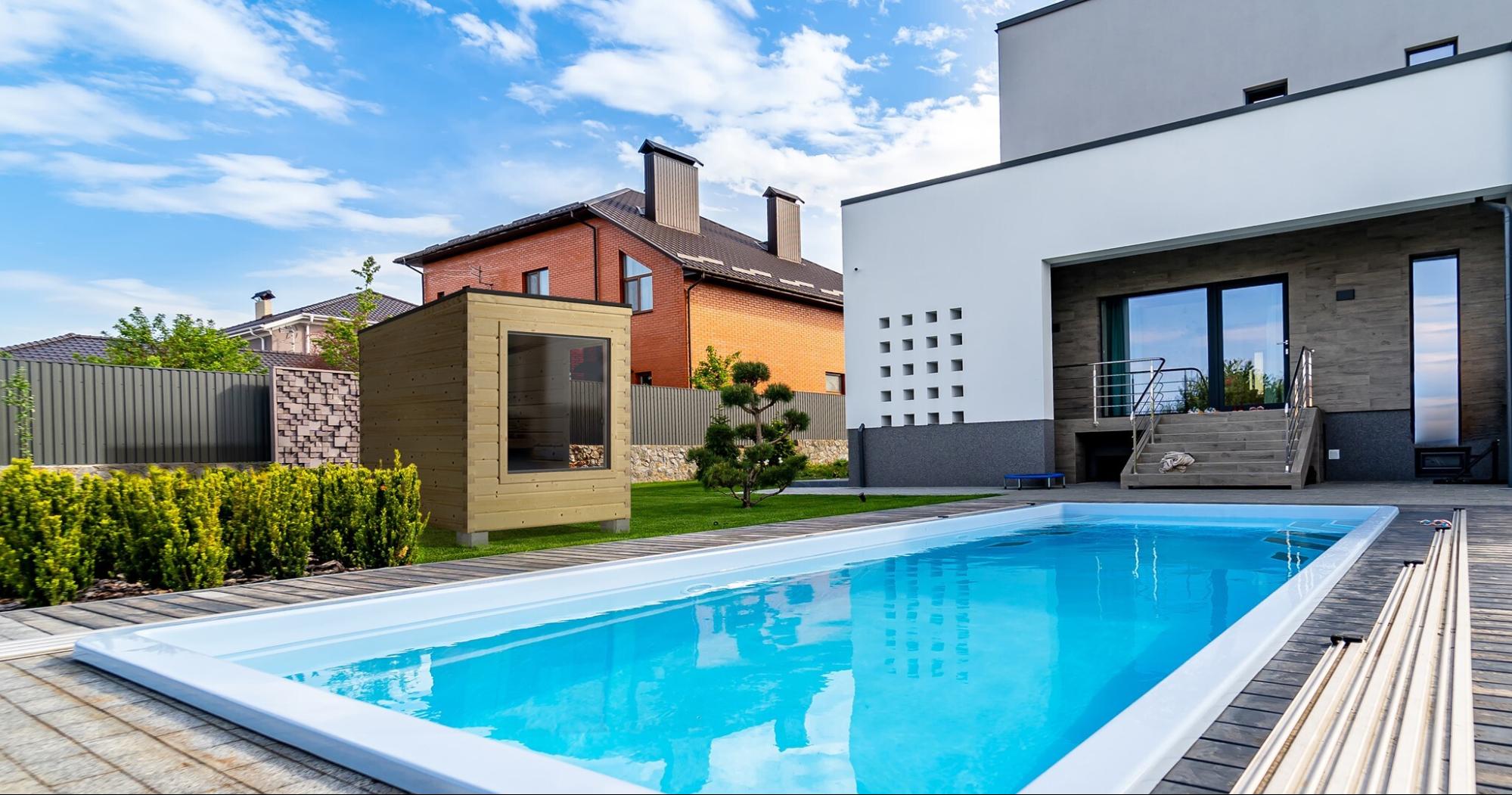
If you are planning a backyard sauna in Canada, you are probably comparing very different kinds of projects. Some arrive as kits. Some are built on site. Some need a full contractor-led build. Others arrive as finished outdoor structures, with most of the sauna already built before it reaches your property.
A turnkey Finnish sauna changes the project in a practical way. Your main decisions move toward placement, base preparation, delivery access, heater setup, and how the sauna will fit into the yard. You still need to plan carefully, but the process is different from building a sauna piece by piece.
This article walks through what to expect before installation, what needs to be ready on your property, and how a finished Finnish sauna moves from planning to first use.
What Turnkey Means for a Backyard Sauna
Turnkey means the sauna arrives as a finished or mostly finished structure. The wall system, benches, door, windows, roof, and interior are already built before the sauna reaches your property. The work on site is focused on placement, access, base preparation, and the final heater setup.
That changes the shape of the project. Instead of sourcing materials, framing walls, finishing the interior, and building benches on site, you are preparing the place where the sauna will live. You need a stable base, a clear delivery path, and the right electrical or wood-burning plan for the heater.
For a backyard sauna in Canada, this matters because outdoor projects are affected by weather, access, and timing. A finished sauna reduces the number of trades and decisions happening in your yard. It also gives you a clearer idea of what is arriving, how it is built, and what needs to be ready before installation day.
The process still requires planning. It is simply a different kind of planning.
Choosing the Right Location
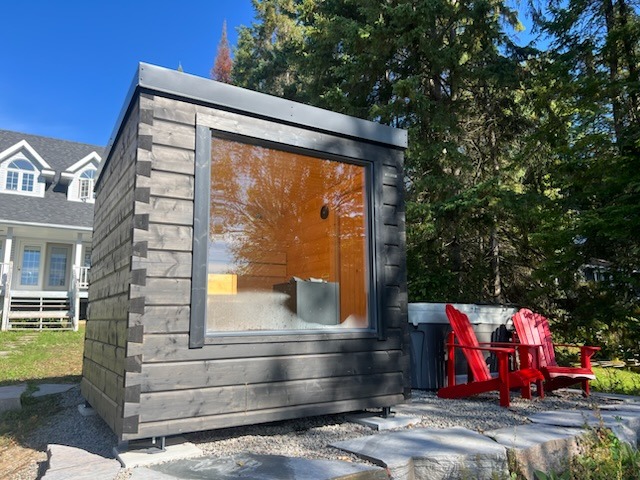
The location decides how often you use the sauna. A sauna placed too far from the house can feel inconvenient in winter. A sauna placed too close may lose the privacy and separation people usually want from the space.
Start with the path. You should be able to reach the sauna comfortably in snow, rain, and dark evenings. If you plan to use it year-round, the route from the house or cottage matters as much as the view from inside.
Then look at privacy, drainage, and orientation. The sauna should sit where water can move away from the base. The door should open in a way that feels natural. Windows should face something worth looking at without putting the inside of the sauna on display.
You also need to think about service access. Electric heaters need a practical route for power. Wood-burning heaters need clearances, chimney planning, and local approval where required.
A good location makes the sauna easier to use. It supports the routine before the first session starts.
Preparing the Base
The base determines how the sauna sits, drains, and stays level over time. For a finished backyard sauna, this is one of the main pieces to plan before delivery.
You need a flat, stable surface that can support the weight of the structure. Depending on the site, that may be a concrete pad, gravel base, helical piles, patio stones, or another approved support system. The right choice depends on the sauna model, soil conditions, drainage, and how the structure will be delivered.
Drainage is the detail to take seriously. Water should move away from the sauna instead of collecting under it or around it. In winter, that same area also needs to handle snow, meltwater, and refreezing.
The base should be ready before the sauna arrives. Once a finished sauna is on site, adjustments become harder. If you confirm the dimensions, weight requirements, and support method early, installation day becomes much easier to manage.
Planning Delivery Access
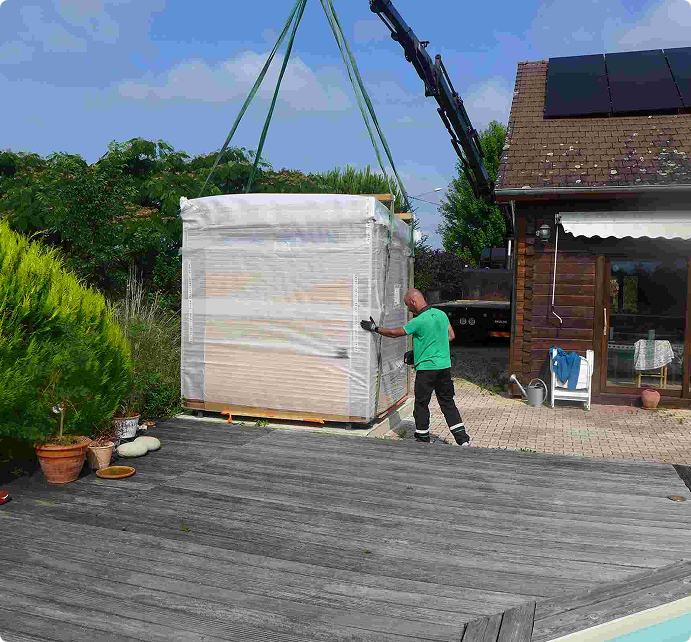
A turnkey sauna arrives as a finished structure, so delivery access has to be planned before installation day. The team needs to know how the sauna will move from the truck to its final position.
Start with the path into the yard. Gate width, driveway space, fences, trees, overhead wires, slope, and soft ground can all affect delivery. A tight urban backyard will need a different plan than a cottage property with open access from the driveway.
You should also look at the turning space around the site. A finished sauna may need equipment such as a trailer, forklift, crane, or other lifting method depending on the property. The final route should be clear before the sauna arrives.
Good access planning keeps the installation focused. The sauna can move into place safely, the base is ready to receive it, and the final setup can start without solving major site problems on the day of delivery.
Connecting the Heater
The heater determines how the sauna works day to day. It affects heat-up time, steam, bench-level heat, and the way the room fits into your routine.
For an electric heater, the first question is power. You need to know whether your panel can support the heater, where the electrical run will go, and whether trenching or conduit is needed between the house and the sauna. A licensed electrician should confirm the requirements before installation.
A wood-burning heater changes the planning. You need to think about chimney placement, clearances, ventilation, fire safety, and local rules. On some properties, especially cottages and rural sites, wood heat may feel like the natural choice. In denser residential areas, electric is often easier to manage.
The right heater depends on how you plan to use the sauna. If you want simple weeknight use, electric can make the routine easier. If you want a slower, more traditional session, wood-burning may suit the property better. The heater should match the room, the site, and the way you will actually use the sauna.
Understanding the First Use
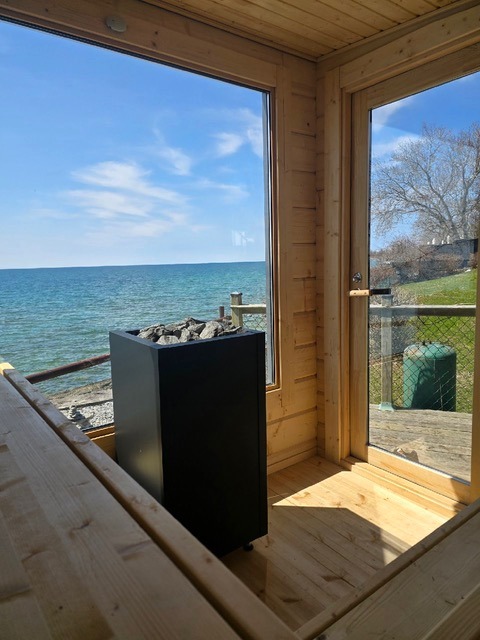
The first few sessions teach you how the sauna behaves. You learn how long it takes to heat, where the strongest heat sits, how the room responds to water on the stones, and how much airflow feels right.
Start with the heater. An electric sauna will usually give you a more predictable routine. A wood-burning sauna asks for more attention because the fire, draft, and timing all shape the session. In both cases, the room needs time to settle into its heat.
You will notice the wood as the sauna warms. In a Finnish build, the walls, benches, and ceiling are part of the feeling of the room. The scent, warmth, and surface temperature change as the sauna comes up to heat.
Löyly is where the room starts to show its character. A small amount of water on the stones should rise cleanly and move through the upper part of the sauna. Over time, you find the rhythm that feels right for your room, your heater, and the way you like to use the space.
What Hetki Handles in the Process
A turnkey installation works best when the major decisions are clear before the sauna arrives. You need the right sauna model, the right location, a suitable base, a delivery path, and a heater setup that matches the room and the property.
Hetki helps you work through those decisions before installation day. The sauna itself is built as a finished Finnish structure, so the project is less about managing a full on-site build and more about preparing the site properly. That means choosing the model, confirming placement, planning access, and understanding what needs to be ready for the heater connection.
You still stay involved in the important choices. You decide where the sauna belongs, how you want to use it, what view matters, and what kind of routine you want from the space. Hetki brings the building system, Finnish sauna knowledge, and delivery process around those decisions.
By the time the sauna reaches your property, the goal is simple. The structure is built, the site is ready, and the remaining work is focused on getting the sauna placed, connected, and ready for its first real session.