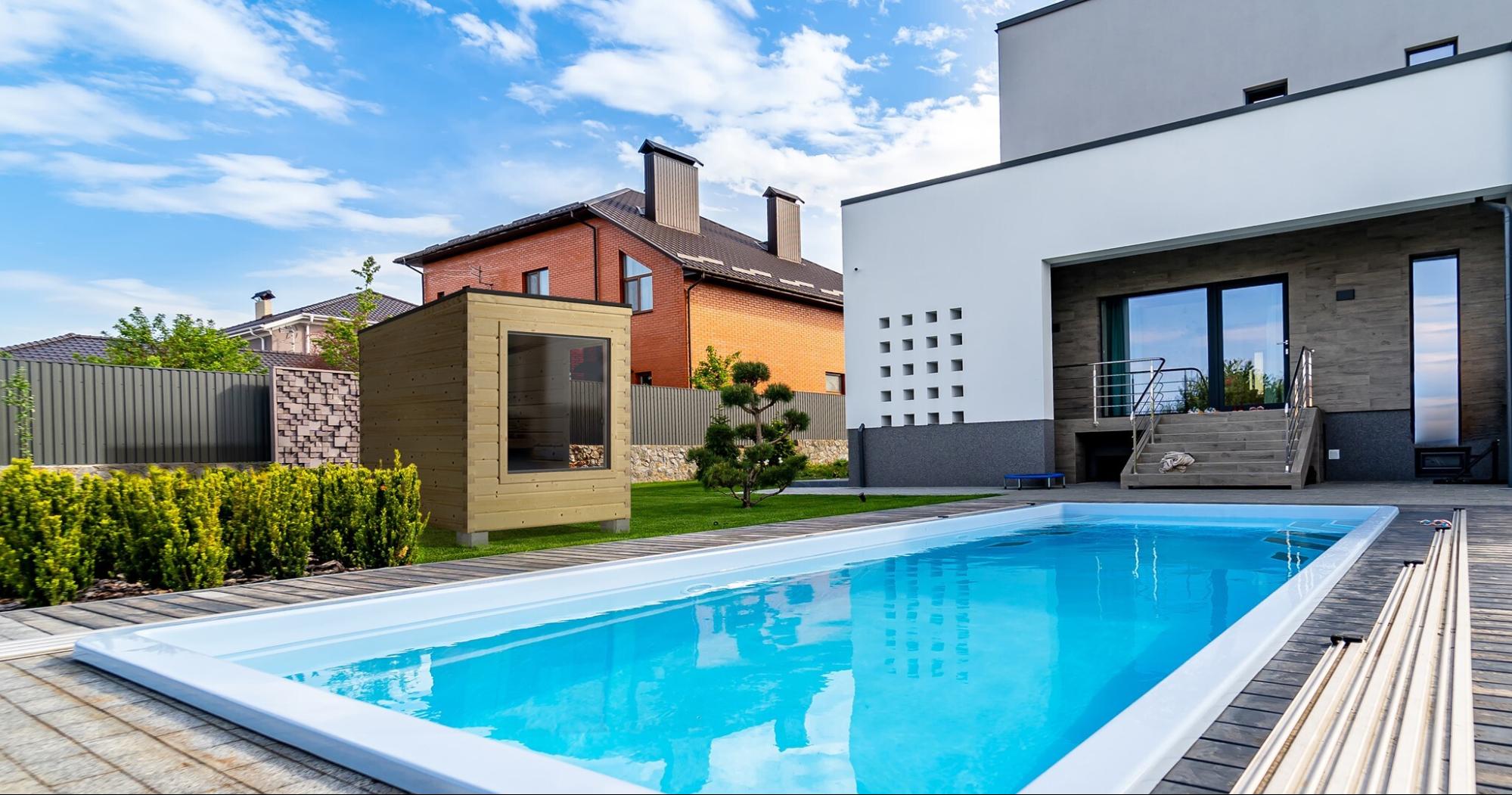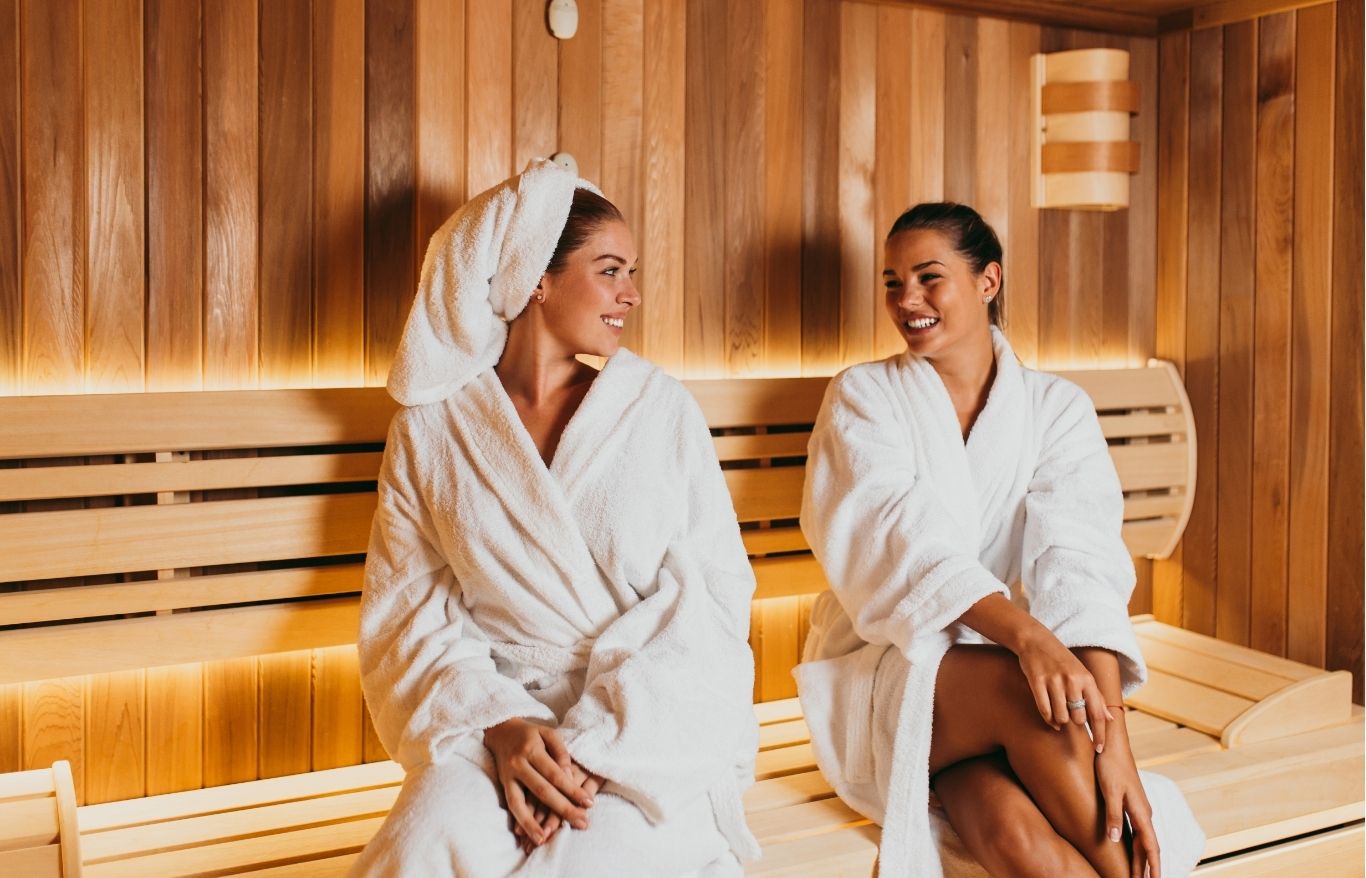
If you are looking at outdoor saunas in Canada, you will find a wide range of options. There are compact backyard kits, barrel saunas, cabin-style builds, indoor conversions, and fully finished outdoor structures. They may all promise heat, but they are not built around the same idea of sauna.
A Finnish sauna starts from a different place. The room is designed around heat, steam, air movement, wood, and the rhythm of use. That matters when the sauna is going outside in a Canadian climate. You are choosing how the room will heat, how it will handle the seasons, how it will feel after regular use, and how close it comes to the sauna experience people in Finland have built around for generations.
This article looks at what a Finnish outdoor sauna actually delivers, so you can compare options with a clearer eye before deciding what belongs on your property.
What Makes an Outdoor Sauna Premium in Canada?
In Canada, an outdoor sauna has to be built for more than heat. It has to sit outside through winter, spring thaw, summer humidity, and wet fall weather. That makes the structure part of the sauna experience, not just the shell around it.
The first difference is the wood. A Finnish-style build usually puts more emphasis on solid timber, wall thickness, and how the pieces fit together. That mass changes how the room holds heat. It also gives the structure the weight and stability you want when the sauna is exposed to changing weather year after year.
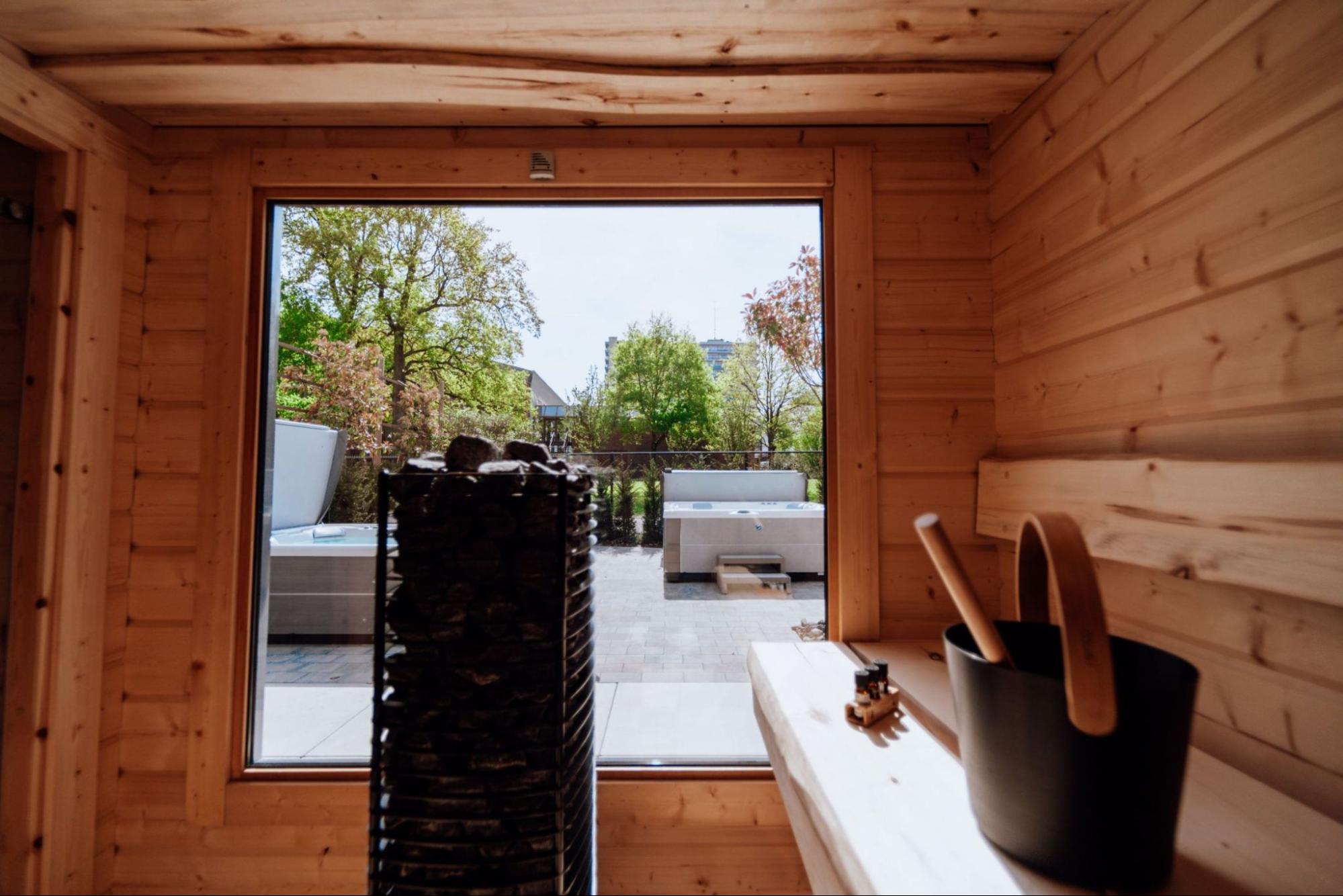
The heater is just as important. A good outdoor sauna needs a heater sized to the room, enough stones to create proper steam, and ventilation that keeps fresh air moving. When those pieces work together, the room feels hot without feeling flat. You get heat at the bench level, steam that rises properly, and air that does not feel stale halfway through a session.
Layout matters too. Bench height, ceiling height, window placement, and door fit all change the way the sauna performs. A low bench can leave you sitting below the best heat. Too much glass can make the room harder to warm in cold weather. A door that does not seal well can make the heater work harder than it should.
This is where the Finnish approach becomes practical. It connects the parts of the sauna that buyers often compare separately. The wood, heater, ventilation, layout, and exterior structure all have to support the same thing, which is a room that heats well, handles Canadian weather, and feels right every time you use it.
Authentic Finnish Heat Feels Different from a Basic Hot Room
A Finnish sauna is not built around temperature alone. The number on the thermometer matters, but it does not tell you how the room actually feels once you are sitting inside.
The difference comes from how heat moves through the space. In a proper sauna, the heater warms the stones, the stones hold heat, and water creates löyly when it hits the surface. That steam rises, spreads through the upper part of the room, and changes the feeling of the heat for a short period of time. It should feel full and immediate, not sharp or dry.
Bench height affects this more than many people expect. Since heat rises, the upper bench needs to sit high enough for your body to be in the strongest part of the room. If the seating is too low, you can have a hot sauna on paper while still missing the best heat.
Air movement matters too. Fresh air helps the room feel alive instead of heavy. It supports the heater, clears stale air, and makes longer sessions more comfortable. Without proper ventilation, the sauna can feel flat even when it reaches the right temperature.
This is why Finnish sauna design treats the room as one system. Heater, stones, benches, ceiling height, ventilation, and wood all shape the heat together. When those parts are right, you feel the difference without needing to think about the mechanics.
| Feature | Finnish Outdoor Sauna | Basic Outdoor Sauna |
| Design focus | Built around heat, steam, air movement, and repeated use | Often built around compact size, simple heating, or lower upfront cost |
| Heat experience | Strong upper-bench heat with löyly from water on hot stones | Can feel hot, but may have less steam, weaker air movement, or uneven heat |
| Structure | Usually built with heavier wood construction, often solid timber or log-style walls | Often uses thinner panels, lighter framing, or kit-style assemblies |
| Bench layout | Designed so you sit higher in the heat zone | Bench height may be limited by shape, size, or compact dimensions |
| Ventilation | Planned as part of the sauna experience | May be basic or treated as a secondary detail |
| Best fit | Buyers who want a long-term sauna experience close to Finnish tradition | Buyers who want a simpler or lower-cost way to add heat outdoors |
Solid Timber Changes Durability, Heat, and Feel
The wood in your outdoor sauna affects the way the room heats, holds warmth, responds to weather, and feels once you are inside.
Solid timber gives the sauna mass. When the room heats up, the wood absorbs and holds warmth along with the heater and stones. That gives the heat a steadier character because the structure itself becomes part of the session.
For an outdoor sauna in Canada, that mass matters over time. Your sauna goes through cold starts, hot sessions, moisture, snow, sun, and drying cycles. Thick timber is well suited to that repeated movement when the pieces are cut, fitted, and joined properly.
The species of wood matters too. Finnish sauna building often uses spruce because it performs well in sauna conditions, has a clean appearance, and carries the restrained character associated with Nordic design. You want the wood to feel natural in the room, not like a decorative surface added at the end.
You feel the difference in small ways. The room warms with more body. The walls feel solid around you. The sauna has less of a temporary feel. For a structure that will live outside year-round, those details are part of the value.
Choosing a Finnish Outdoor Sauna in Canada Comes Down to Fit
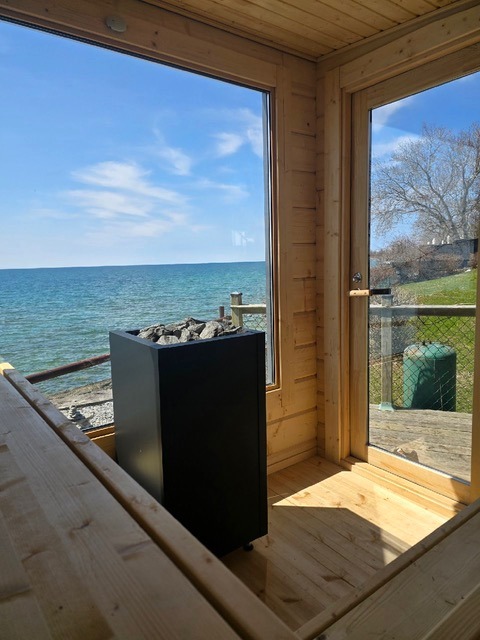
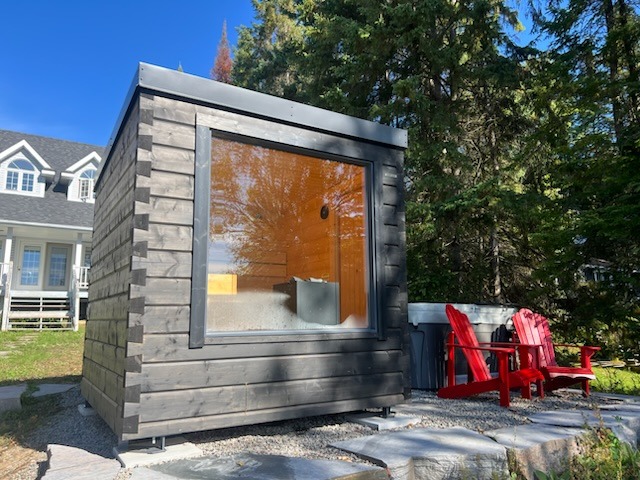
The right outdoor sauna should match the way you plan to use it. A cottage sauna may need room for family and guests. A backyard sauna may need privacy, a clean path from the house, and an electric heater that fits your routine. A lakefront sauna may need a larger window, a strong base, and an easy place to cool down between rounds.
This is where Hetki’s Finnish sauna builds are designed to help. Each sauna starts with the same core idea of heat, steam, wood, and air working together, then the model, layout, heater, windows, and finish are chosen around your property and use case.
If you want a simple backyard sauna, the standard Hetki Sauna gives you a solid Finnish structure without turning the project into a full custom build. If you want a change room, more space, or a stronger cottage setup, a larger model may make more sense. The point is to choose the sauna around the way you will actually use it, not only around the footprint.
A good Finnish sauna should feel natural after it arrives. It should heat the way you expected, sit comfortably on the property, and become easy to use often. Hetki builds for that kind of ownership, with solid Finnish timber, ready-made construction, and a process that helps you choose the right sauna before it reaches your site.